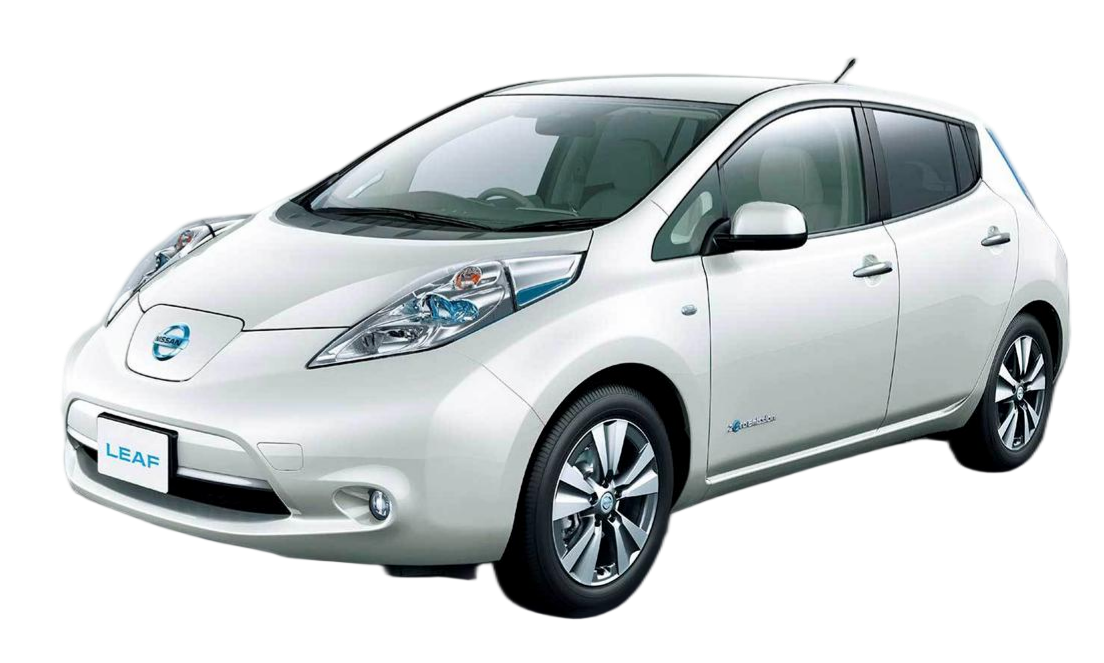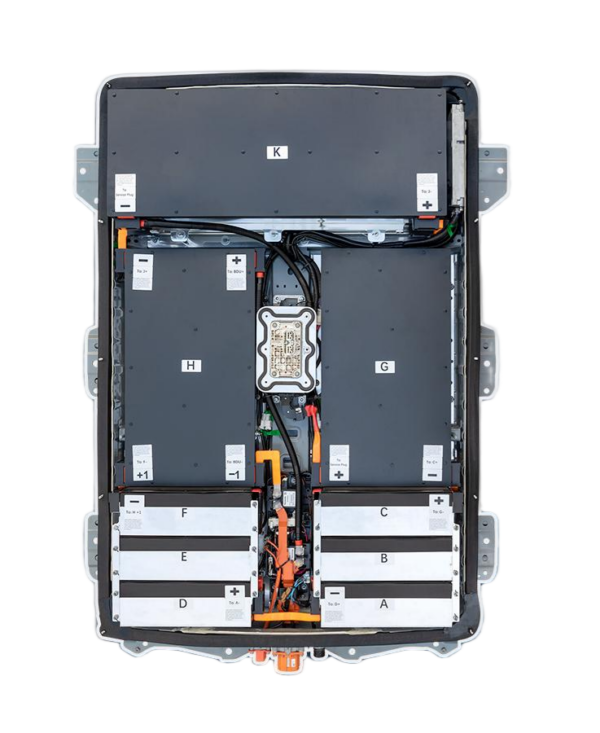
Here is the SEO-optimized article tailored for the Nissan Leaf and e-NV200 audience, focusing on the comparison between upgrading to a Leaf Plus (62kWh) battery versus alternative solutions like VIVNE.
⚡️ Nissan Leaf Plus vs. VIVNE: The Ultimate EV Battery Upgrade Showdown
Navigating the world of EV battery upgrades can feel like decoding a complex manual. You want more range, better performance, and reliability, but the market is flooded with options—original refurbished packs, third-party alternatives like VIVNE, and high-performance OEM-grade solutions. If you own a Nissan Leaf or e-NV200, the choice often boils down to sticking with the standard 24kWh or 30kWh battery, upgrading to the Nissan Leaf Plus (62kWh) powertrain, or looking at other aftermarket options.
As a specialist in electric vehicle powertrains, I’ve analyzed thousands of battery swaps. The data is clear: Upgrading to a 62kWh Leaf Plus battery offers a superior balance of safety, range, and value compared to generic alternatives. In this deep dive, we’ll break down the critical differences between a factory-spec Leaf Plus upgrade and other solutions, helping you make an informed decision that revitalizes your EV.
🔋 The Range Revolution: Why Upgrade to Leaf Plus?
If your daily commute involves highway driving or you frequently haul cargo, the standard 24kWh or 30kWh battery in older Leaf models often leaves you with “range anxiety.” You might be looking at options like the VIVNE battery or a used OEM pack, but these often come with hidden risks.
The Nissan Leaf Plus (specifically the 62kWh variant) is engineered to be the gold standard for a reason. Unlike generic aftermarket batteries that might use recycled or mixed-grade cells, a genuine Leaf Plus upgrade utilizes new, high-density lithium-ion cells.
- Real-World Range: A standard Leaf might struggle to hit 100 miles in cold weather. A Leaf Plus 62kWh battery delivers a reliable 200+ miles (approx. 340km) on a full charge, effectively doubling your usable range.
- Performance: The Plus model isn’t just about capacity; it’s about power delivery. The motor and battery are tuned to handle higher discharge rates, meaning better acceleration and hill climbing, especially when the battery is low.
⚖️ Leaf Plus vs. VIVNE: The Technical Breakdown
When comparing the Nissan Leaf Plus powertrain to alternatives like VIVNE, the difference lies in the engineering and the supply chain.
1. Cell Quality & Chemistry
The heart of any EV battery is the cell. The Leaf Plus 62kWh uses specific high-nickel chemistry cells (originally from LG Chem or contemporary OEM suppliers) designed for thermal stability and longevity.
- Leaf Plus: Utilizes new, matched cells with a Battery Management System (BMS) calibrated by the manufacturer. This ensures every cell block charges and discharges in perfect harmony.
- VIVNE/Alternatives: Often rely on repurposed cells or cells from less regulated supply chains. While they might offer a lower upfront cost, mismatched chemistry can lead to “cell drift,” where some cells degrade faster than others, drastically reducing the pack’s lifespan.
2. Safety & Integration
Safety is non-negotiable. The Leaf Plus battery is designed with the car’s specific cooling channels, mounting points, and communication protocols in mind.
- Leaf Plus: It is a plug-and-play solution. The dimensions, weight distribution, and wiring harnesses are identical to the factory specification. This means your car’s diagnostics, regenerative braking, and climate control integration work flawlessly.
- VIVNE/Alternatives: Often require “hacking” the car’s software or physical modifications to the chassis. This can trigger error codes, void any remaining dealer warranties, and create安全隐患 (safety hazards) if the cooling system isn’t properly integrated.
3. Warranty & Support
This is where the value proposition shifts dramatically.
- Leaf Plus (OEM Standard): A premium upgrade should come with a robust warranty. We stand by our Leaf Plus batteries with a comprehensive warranty that covers defects and performance degradation.
- VIVNE/Alternatives: Warranties are often limited, non-existent, or difficult to claim internationally. If a cell fails in a generic pack, finding a compatible replacement cell can be a nightmare.
💰 The Cost-Benefit Analysis: Is Leaf Plus Worth It?
It’s tempting to look at the sticker price of a generic battery and think you’re saving money. However, you must calculate the “Cost Per Mile.”
| Feature | Nissan Leaf Plus (62kWh) | Generic Alternatives (e.g., VIVNE) |
|---|---|---|
| Cell Source | New, OEM-grade, matched chemistry | Often recycled, mixed batches, or unknown |
| Expected Lifespan | 10+ years / 150,000+ miles | 2-4 years (due to cell degradation) |
| Installation | Plug-and-Play (No modifications) | Often requires cutting, splicing, or coding |
| Warranty | 2 Years / 80,000 km (Full coverage) | Often 6 months to 1 year, limited support |
| Long-term Value | High (Reliable, safe, hassle-free) | Low (High risk of failure, repair costs) |
The Verdict: While a generic battery might cost less upfront, the Leaf Plus upgrade offers a lifespan that is often 3-4 times longer. When you divide the cost by the miles driven, the Leaf Plus is actually the more economical choice.
🛠️ Real-World User Experience: From Range Anxiety to Freedom
I recently worked with a fleet manager in California who was facing a dilemma. His fleet of 2013 Nissan Leafs was hitting the end of their life cycle. He had two choices: scrap the cars and buy new Teslas (prohibitively expensive), or upgrade the batteries.
He opted for the Leaf Plus 62kWh conversion.
- Before: The cars had 8 bars (out of 12) left, offering only about 40 miles of range. They were sitting idle.
- After: After installing the new 62kWh packs, the cars showed 12 full bars. The fleet’s operational range jumped to over 200 miles.
- Savings: By upgrading instead of replacing, he saved over $150,000 in capital expenditure. More importantly, his drivers reported that the cars felt “brand new,” with no difference in handling or software functionality.
This is the power of a true OEM-standard upgrade.
🚀 Ready to Revive Your EV?
Choosing between a Leaf Plus upgrade and a generic alternative isn’t just about buying a battery; it’s about investing in your vehicle’s future. If you want the confidence of factory engineering, the range of a modern EV, and the peace of mind that comes with a solid warranty, the Leaf Plus 62kWh solution is the clear winner.
Don’t let your Leaf or e-NV200 gather dust in the driveway. You have the power to give it a second life with a battery that performs like new.
Get a Free Custom Quote for Your Nissan Leaf or e-NV200 Today!
We specialize in providing high-performance, OEM-compatible battery solutions that are rigorously tested for safety and longevity.
👉 Contact Our Technical Experts Now
❓ Frequently Asked Questions (FAQ)
1. Can I install a Leaf Plus 62kWh battery on my old Nissan Leaf (ZE0/ZE1)? Yes, absolutely. The 62kWh battery pack is physically and electronically compatible with older Leaf models (2011-2017 ZE0 and 2018+ ZE1). It is a direct replacement that bolts in and plugs in without any modifications to the chassis or wiring.
2. How much does a Leaf Plus battery upgrade cost compared to a new car? The cost of a new Leaf Plus battery upgrade is typically less than 50% of the price of a new Nissan Leaf or a comparable used EV. While prices vary based on market conditions, you can expect to pay a fraction of the cost of a new vehicle to gain the same range and performance.
3. What is the warranty on a Leaf Plus battery? We offer a comprehensive warranty of 2 Years or 80,000 km (whichever comes first) on our Leaf Plus batteries. This covers defects in materials and workmanship, as well as performance degradation, ensuring your battery maintains at least 70% capacity during the warranty period.
4. Is the installation difficult? No, the installation is designed to be straightforward. It is a “drop-in” replacement. A qualified mechanic can typically complete the swap in 1-2 hours. We also provide detailed installation guides and video support to ensure a smooth process.
5. Will upgrading to a Leaf Plus battery affect my car’s software or regenerative braking? No. Because the Leaf Plus battery uses the same communication protocols as the original Nissan hardware, all factory features—including regenerative braking, the battery gauge, and the car’s diagnostic systems—will function exactly as they did when the car was new.