How to Install the Easy Install Leaf Plus Battery for DIY Enthusiasts
Upgrading your Nissan Leaf to a “Leaf Plus” specification is no longer just a dream reserved for those buying new models. For many EV owners, the desire for a longer driving range often meets the reality of a limited budget. Fortunately, the aftermarket has evolved, and installing a high-capacity Leaf Plus battery (such as a 62kWh or 68kWh upgrade) is now a viable DIY project for the mechanically inclined.
At CNS BATTERY, we specialize in OEM-compatible Nissan EV batteries. We understand that the barrier to entry for EV ownership is often the battery cost. That is why we design our packs, specifically for models like the Leaf ZE0, ZE1, and AZE0, to be not only cost-effective (saving you over 50% compared to OEM prices) but also straightforward to install.
This guide is designed for DIY enthusiasts looking to tackle the Leaf Plus battery upgrade themselves. We will walk you through the preparation, the physical swap, and the crucial post-installation steps to ensure your car runs like new.
🛠️ Phase 1: Pre-Installation Preparation
Before you even touch a wrench, preparation is key. A Nissan Leaf battery pack is heavy (typically 300-400 kg) and contains high-voltage components. Safety must be your top priority.
1. Tools and Equipment Checklist
To make this a “Easy Install” project, you need the right gear:
- Safety Gear: Insulated gloves (rated for high voltage), safety glasses, and non-conductive footwear.
- Lifting Equipment: A floor jack with wide rubber pads (to prevent puncturing the battery casing) and jack stands. A transmission jack or a specialized EV battery dolly is highly recommended for maneuvering the heavy pack.
- Mechanical Tools: A set of wrenches and sockets (metric), a torque wrench (for precise reassembly), and a breaker bar (some bolts are very tight).
- Electrical Tools: A digital multimeter to check voltage levels.
2. The “Easy Install” Advantage
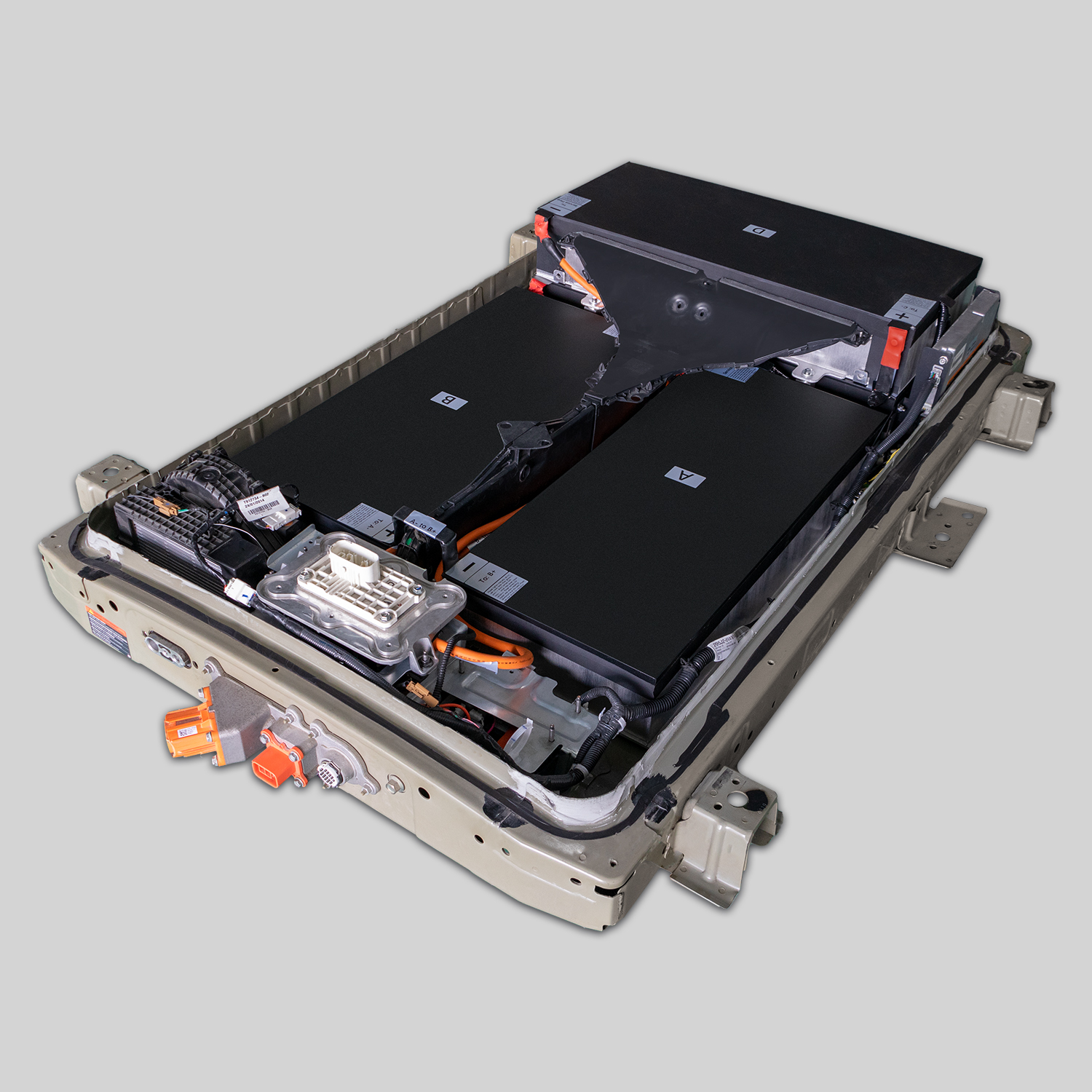
Unlike complex engine swaps, the CNS Leaf Plus battery is designed for Plug-and-Play compatibility. We engineer our packs to match the original factory dimensions and connector layouts.
- No Modifications Required: Our batteries are designed to fit perfectly into the chassis of your Leaf ZE0, ZE1, or e-NV200.
- New CATL Cells: We utilize brand-new, top-tier cells, ensuring you get the performance of a Leaf Plus without the used-car depreciation.
3. Safety First: Power Down
You must disconnect the vehicle’s high-voltage system.
- Disconnect the 12V Battery: Start by removing the negative terminal of the 12V auxiliary battery. This cuts power to the vehicle’s control systems.
- Wait 10 Minutes: High-voltage capacitors in the inverter and charger can retain charge. Waiting ensures these discharge to a safe level.
🔋 Phase 2: The Physical Removal and Installation
This phase involves getting under the car. Ensure you are working on a flat, level surface.
Step 1: Accessing the Battery
- Lift the vehicle using the manufacturer’s specified jacking points.
- Remove the underbody plastic shields to expose the battery casing.
Step 2: Disconnecting the Old Battery
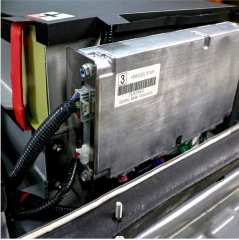
- Identify Connectors: Locate the high-voltage (HV) connector and the low-voltage (LV) communication harness.
- Disconnect: Carefully unclip the connectors. Do not force them. If your old battery has a swollen casing, be extra cautious not to puncture the cells.
- Remove the Service Disconnect (if applicable): Some models have a manual service disconnect (MSD) that physically breaks the circuit.
Step 3: Removing the Old Pack
- Loosen the retaining bolts that secure the battery to the chassis.
- Using your floor jack, slowly lift the battery slightly to release tension, then carefully roll it out from under the vehicle.
Step 4: Installing the CNS Leaf Plus Battery
- Positioning: Slide the new CNS battery pack into place. Because it is OEM-standard, the mounting holes will align perfectly.
- Torque Specs: Reinstall the retaining bolts. It is crucial to torque these bolts to the manufacturer’s specification (usually around 80-100 Nm, but consult your manual) to ensure a secure fit without stripping the threads.
- Reconnecting: Plug the low-voltage harness and high-voltage connector back in. You should hear a distinct “click” indicating a secure connection.
⚡ Phase 3: Post-Installation & System Wake-Up
Once the physical installation is complete, the electrical integration begins.
1. Reconnecting the 12V Power
- Reconnect the negative terminal of the 12V battery.
- Observe the BMS: When you reconnect power, the Battery Management System (BMS) inside the CNS pack will start communicating with the car. You might hear relays clicking inside the battery box – this is normal.
2. The Voltage Check (Crucial Step)
Before attempting to drive, use your multimeter:
- Check the voltage at the high-voltage output. It should read approximately 360V-400V (depending on the state of charge of your new pack).
- If the voltage is stable, the physical installation was successful.
3. BMS Programming and Calibration
This is where many DIYers get stuck, but CNS provides a solution.
- The “Plug-and-Play” Myth: While the hardware fits, the car’s software often needs to recognize the new battery capacity.
- Our Solution: Most CNS batteries require a simple BMS programming reset. We provide detailed video tutorials and remote support. This usually involves connecting a diagnostic tool (like a Leaf Spy or a specific CAN cable) to your OBD2 port and following a software reset procedure. This tells the car, “I have a new 62kWh battery.”
4. The First Drive
- After programming, start the car. The dashboard should show 12 battery bars (or the equivalent for your model).
- Take it easy for the first few miles. Test the brakes and acceleration gently.
💡 Why Choose a CNS Leaf Plus Battery for Your DIY Project?
As experts in the field, we know that a DIY project is only as good as the parts you use. Here is why our batteries are the preferred choice for enthusiasts:
| Feature | CNS BATTERY Advantage | Result for the DIYer |
|---|---|---|
| Cell Quality | Brand New CATL Cells | No degradation; immediate full range. |
| Warranty | 2 Years / 80,000 km | Peace of mind that your DIY project is backed by a long warranty. |
| Compatibility | OEM Standard Design | No cutting, welding, or modifying the chassis required. |
| Support | Video Guides & Remote Help | If you get stuck on programming, our experts can guide you via video call. |
The Value Proposition:
Replacing your battery with a used or refurbished unit is risky. You might save money upfront, but if the cells are degraded, you are right back where you started. A CNS Leaf Plus battery gives you the range of a new car at half the price, with the reliability of new, top-tier components.
📝 Conclusion
Installing a Leaf Plus battery is a significant project, but it is absolutely achievable for a dedicated DIYer. By choosing a CNS BATTERY, you are not just buying a box of cells; you are buying into a support system designed to help you succeed.
Remember, the key to a successful “Easy Install” is preparation, safety, and ensuring the BMS is correctly programmed. If you follow this guide and utilize our resources, you will be enjoying that extended 400km+ range in no time.
Ready to start your upgrade?
We are here to help you every step of the way. If you have specific questions about your Leaf model (ZE0, ZE1, or AZE0) or need clarification on the installation process, our technical experts are just a message away. Contact us today to get your customized quote and start your journey to a longer-range Nissan Leaf.
Get Your Free Custom Quote Now
❓ Frequently Asked Questions (FAQ)
1. Is it really safe to do this as a DIY project?
Yes, if you follow the safety protocols. The most dangerous part is the high-voltage capacitor discharge. As long as you disconnect the 12V battery and wait 10 minutes, the risk is minimal. Always wear insulated gloves when handling connectors. If you are uncomfortable with the high-voltage aspects, consult a local mechanic (many of our customers have a mechanic handle just the physical swap while they handle the programming).
2. Will the car recognize the new battery capacity automatically?
Usually not. While the physical connection is plug-and-play, the software often needs a reset. The car’s computer (BMS) needs to be told that the battery chemistry and capacity have changed. We provide detailed video tutorials and remote support to guide you through this software reset process. It typically takes 15-30 minutes.
3. How much range can I expect after the upgrade?
With a CNS 62kWh or 68kWh Leaf Plus battery, you can expect a full-charge range of approximately 430km – 470km (depending on driving conditions and temperature). This is a massive improvement over the older 24kWh or 30kWh packs.
4. What if I encounter a problem during installation?
We offer comprehensive pre-sales and after-sales support. Before you buy, you can send us your VIN for a free compatibility check. During installation, if you get stuck, our customer service team offers video call guidance to help you troubleshoot wiring or programming issues. We are committed to ensuring your DIY project is a success.