Here is the SEO-optimized article tailored for your requirements.
Nissan e-NV200 Battery vs. Accio: The Ultimate Upgrade Guide
Is your Nissan e-NV200 losing range? Are you considering an upgrade to a modern Lithium Iron Phosphate (LiFePO4) battery, such as the Accio model, but unsure about the technical details or cost savings?
As a fleet manager or electric vehicle technician, you know that battery degradation is the primary enemy of profitability in electric logistics. The Nissan e-NV200, a staple in urban delivery fleets, originally came equipped with aging Lithium Nickel Manganese Cobalt Oxide (NMC) chemistry. While reliable, these packs suffer from significant capacity loss over time.
The market is now flooded with alternatives, including the Accio battery and other aftermarket solutions. However, navigating the differences between OEM replacements, generic aftermarket packs, and specialized upgrades like the Accio requires deep technical insight. This guide cuts through the marketing noise to analyze the Nissan e-NV200 battery vs. Accio comparison, focusing on safety, cost of ownership, and long-term reliability.
Why the Nissan e-NV200 Battery Market is Changing
The Nissan e-NV200 was a pioneer, but its original battery technology is outdated. The shift towards LiFePO4 (Lithium Iron Phosphate) is not just a trend; it is a necessity for commercial operators. Unlike the NMC batteries found in early e-NV200 models, LiFePO4 offers superior thermal stability, a longer cycle life, and lower degradation rates.
When comparing your options, you are essentially choosing between three paths:
- Original Equipment Manufacturer (OEM) Packs: Extremely expensive and often the same old technology.
- Generic Aftermarket: Cheap but risky, often lacking proper Battery Management Systems (BMS).
- Specialized Upgrades (e.g., Accio or CNS BATTERY): A balance of cost, safety, and performance.
Understanding the “Accio” Comparison
While “Accio” might refer to a specific brand or a generic term for a “summoned” replacement in the EV world, the core technical battle lies in the battery chemistry and BMS integration.
The Chemistry Difference
The original Nissan e-NV200 used a 24kWh or 30kWh NMC pack. Modern replacements, including those comparable to the Accio standard, utilize 40kWh or 62kWh LiFePO4 modules.
- Safety: LiFePO4 does not catch fire easily, even under puncture or overcharge conditions. This is critical for commercial fleets operating in high-density urban areas.
- Longevity: NMC batteries typically degrade to 70% capacity within 3-5 years. LiFePO4 batteries can retain over 80% capacity for 8-10 years or more.
The BMS Challenge
One of the biggest hurdles in an e-NV200 battery upgrade is communication with the car’s dashboard. Generic packs often fail to report State of Charge (SOC) accurately. A premium solution requires a BMS that can “speak” Nissan protocol. This is where specialized manufacturers differentiate themselves from generic “Accio” style replacements.
CNS BATTERY: The Technical Alternative to Generic “Accio” Packs
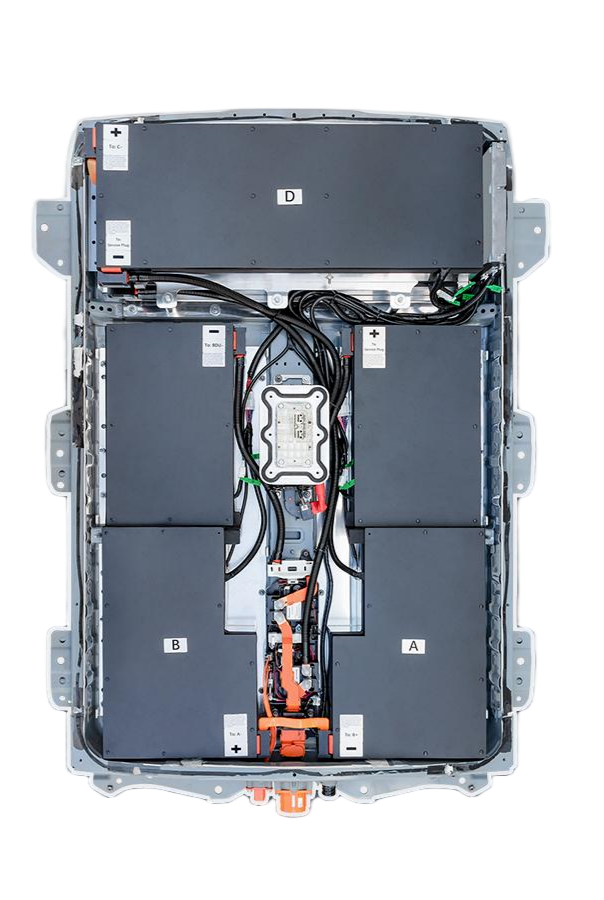
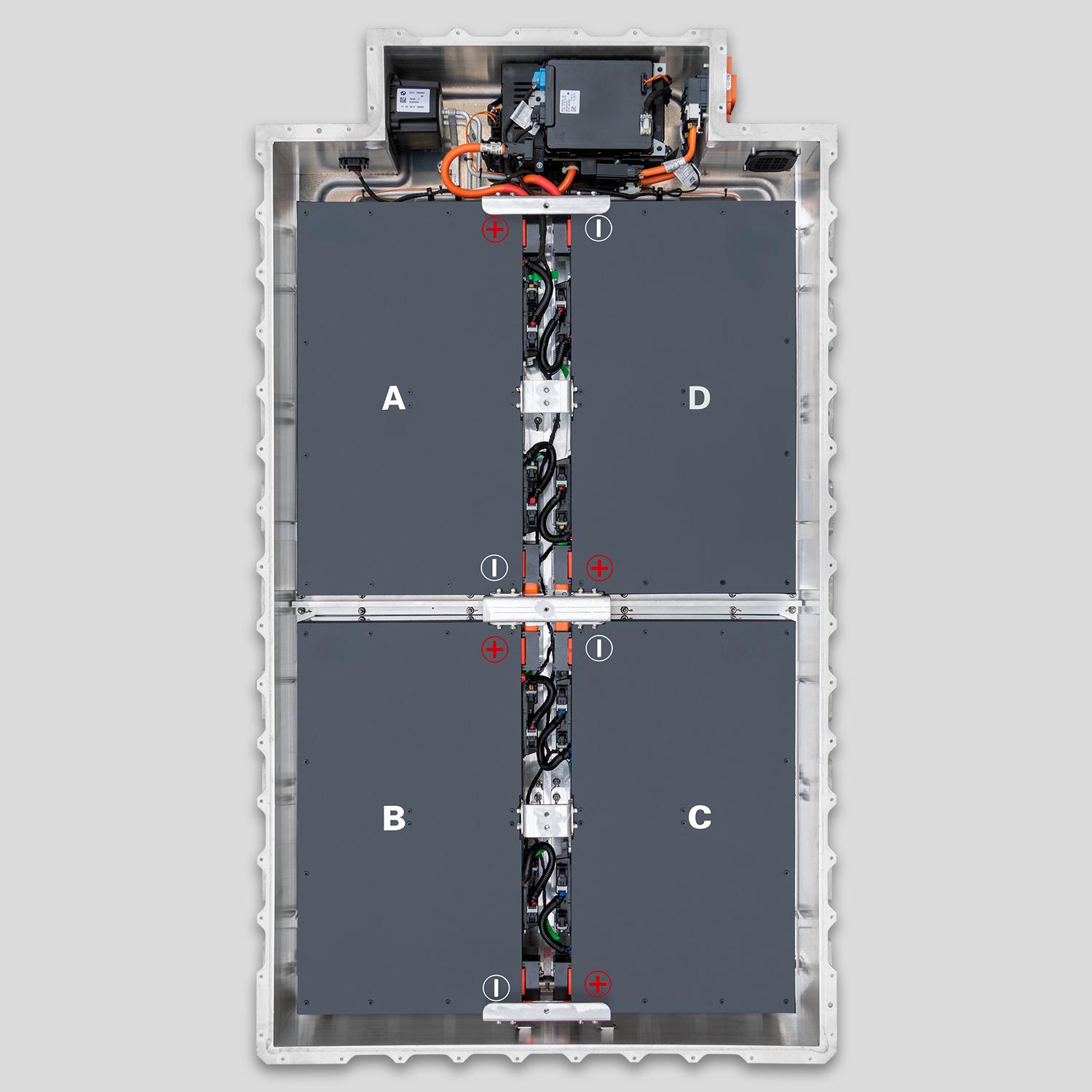
When evaluating the Nissan e-NV200 battery vs. Accio, it is crucial to look at the engineering behind the cells. At CNS BATTERY, we specialize in OEM-compatible solutions for Nissan and BMW platforms. Unlike a generic “one-size-fits-all” Accio approach, our e-NV200 solutions are engineered for precision.
Key Technical Specifications:
- Chemistry: High-grade Lithium Iron Phosphate (LiFePO4).
- Capacity Options: 40kWh and 50kWh upgrades (significantly higher than the original 24kWh/30kWh).
- Voltage Compatibility: Precise adaptation to maintain compatibility with the e-NV200’s motor controller.
- BMS Integration: Advanced systems designed to communicate accurately with Nissan diagnostics.
Why Choose a Specialized Upgrade?
- Cost Efficiency: We emphasize solutions that save 50%+ compared to dealer prices.
- Zero Error Codes: Our packs are designed to avoid “Turtle Mode” errors and communication failures common in poorly adapted aftermarket packs.
- Plug-and-Play Design: While the chemistry is different, the physical dimensions and connectors are engineered to match the original Nissan housing, minimizing installation downtime.
Making the Right Choice: Fleet Manager’s Checklist
Before you decide on an Accio battery replacement or a specialized upgrade, consider the following factors to ensure you are not sacrificing safety for a lower upfront cost.
1. Warranty and Support
Does the supplier offer a warranty that covers both parts and labor? Generic packs often come with no support, leaving you stranded if the BMS fails.
2. Thermal Management
The e-NV200 operates in various climates. A robust battery solution must include proper thermal management to prevent overheating in summer and performance drops in winter.
3. Real-World Range
Do not just look at the kWh number. Look at the energy density. A well-engineered 40kWh LiFePO4 pack from a specialist will often outperform a poorly managed 50kWh generic pack due to better discharge curves and efficiency.
Conclusion: Upgrade with Confidence
The Nissan e-NV200 battery vs. Accio debate ultimately boils down to risk management. While the term “Accio” might imply a quick fix, the reality of EV battery replacement requires deep engineering expertise.
Choosing a partner like CNS BATTERY means choosing a solution that is not just cheaper, but safer and more reliable. We offer 40kWh and 50kWh lithium battery packs specifically designed for the Nissan e-NV200, ensuring your fleet stays on the road longer and charges faster.
Don’t let battery degradation kill your profit margins. Explore the future of e-NV200 performance.
Ready to get a custom quote for your Nissan e-NV200 upgrade? Contact our technical experts now for a free customization quote.
Frequently Asked Questions (FAQ)
Q1: Can I directly replace my old NMC battery with a LiFePO4 pack in my Nissan e-NV200?
Yes, but it requires specific engineering. The physical dimensions and connectors must match the original Nissan housing. More importantly, the Battery Management System (BMS) must be programmed to communicate with the Nissan dashboard to avoid error codes. Generic “drop-in” packs often fail at this communication level, whereas specialized solutions like those from CNS BATTERY are designed for seamless integration.
Q2: What is the expected lifespan of a replacement battery compared to the original?
The original NMC batteries in the e-NV200 typically last for about 3,000 to 5,000 charge cycles before significant degradation occurs. Modern LiFePO4 replacement batteries, such as the 40kWh or 50kWh modules, are rated for over 6,000 charge cycles while retaining 80% of their capacity. This effectively doubles the usable life of your vehicle.
Q3: How much does it cost to upgrade a Nissan e-NV200 battery?
The cost varies depending on the capacity (kWh) and the quality of the BMS. Generally, upgrading to a high-quality aftermarket solution can save you 50% or more compared to purchasing a new OEM battery from a Nissan dealership. For an accurate quote tailored to your specific needs (such as 40kWh or 50kWh), it is best to consult directly with a manufacturer.
Q4: Will a new battery affect my vehicle’s warranty or insurance?
Installing an aftermarket battery may void the manufacturer’s powertrain warranty if the vehicle is still under coverage. However, for most e-NV200 owners, the vehicle is out of warranty, making an upgrade the most economical choice. It is always recommended to check with your insurance provider to ensure the modified vehicle is covered, especially when using high-quality, certified replacement packs.