🚀 Escape Range Anxiety: The Ultimate Guide to Upgrading to a Nissan Leaf Plus Battery
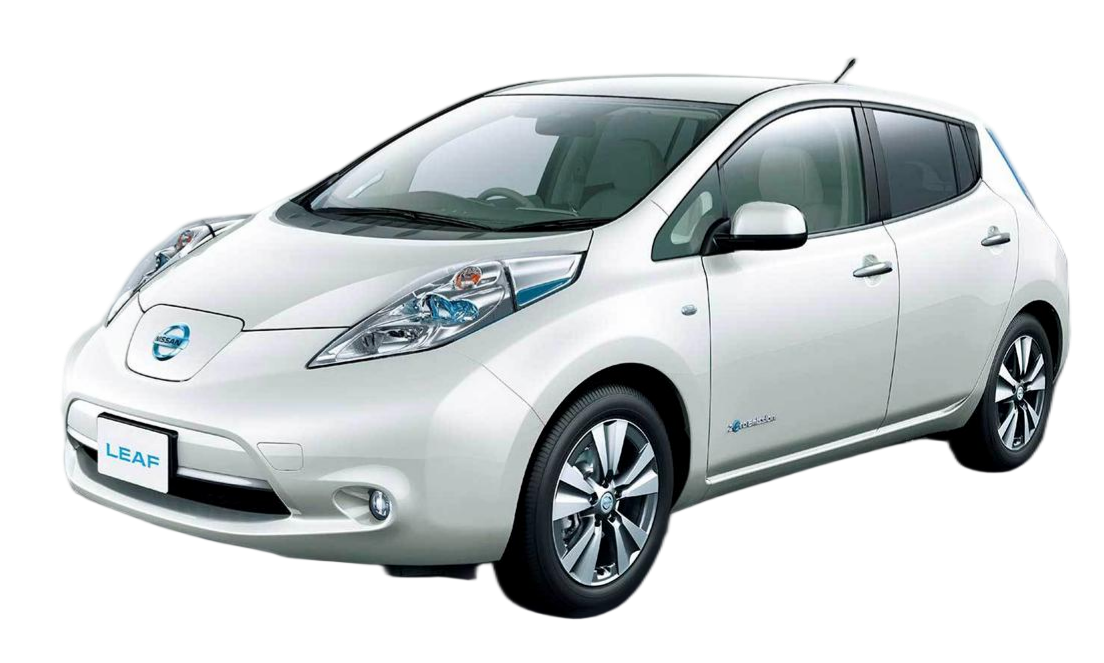
Are you tired of staring at your Nissan Leaf’s dashboard, calculating if you have enough juice to get home? You’re not alone. Many Leaf owners face “range anxiety,” especially with the older 24kWh or 30kWh models. The good news is that you don’t have to trade in your car for a new one. The solution lies in upgrading to a Long-Range Leaf Plus Battery.
As a professional in the EV battery industry, I’ve seen how a simple battery swap can resurrect an electric vehicle. The Nissan Leaf Plus (specifically the ZE1 model) is the gold standard for this upgrade, offering a massive leap in capacity. In this guide, I will walk you through why you need this upgrade, the specific models involved, and how to get a reliable, factory-standard replacement without breaking the bank.
🤔 Why Upgrade to a Leaf Plus Battery?
If you own a first or second-generation Nissan Leaf (ZE0 or AZE0), you likely experience the “battery degradation blues.” Even if your battery hasn’t degraded, the original capacity might be too low for modern needs.
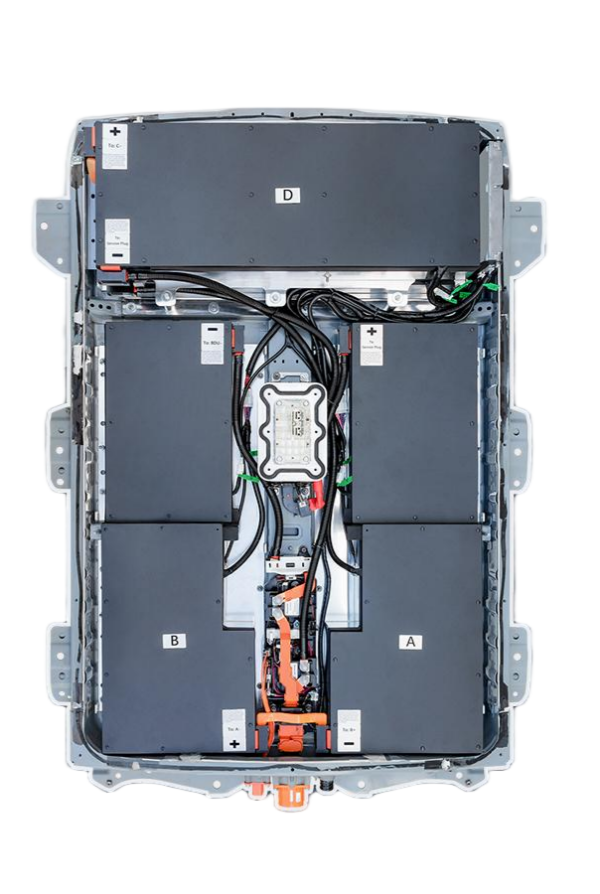
- The Capacity Gap: The standard Nissan Leaf (ZE0/AZE0) typically came with 24kWh, 30kWh, or 40kWh packs. In contrast, the Leaf Plus (ZE1) utilizes a 62kWh battery pack.
- Real-World Impact: Upgrading from a 40kWh to a 62kWh battery can increase your range from roughly 150 miles to over 220 miles on a full charge. This isn’t just an upgrade; it’s a transformation.
🛠️ The Technical Reality: ZE0 vs. ZE1
Before you start shopping, you need to understand the compatibility between your car and the new battery.
- The Physical Fit: The 62kWh battery pack designed for the ZE1 is physically larger and heavier than the packs in older models. It does not bolt in directly without modification.
- The Mounting Issue: The battery mounting points on the ZE0 chassis are different from the ZE1.
- The Expert Solution: This is where professional engineering comes in. A proper upgrade involves either modifying the chassis mounts or using a custom adapter kit. Furthermore, the Battery Management System (BMS) needs to be compatible with your vehicle’s specific software to avoid error codes.
Expert Insight: Simply dropping a ZE1 battery into a ZE0 car is not a “plug-and-play” job. It requires precise engineering to ensure the battery casing doesn’t interfere with the suspension or undercarriage. This is why I always recommend sourcing your battery from a manufacturer that specializes in Nissan EV batteries and offers specific compatibility solutions.
💰 The Cost vs. Value Equation
Let’s address the elephant in the room: cost.
- Dealership Price: Buying a brand-new OEM battery from a Nissan dealership can cost upwards of $16,000. This price is often prohibitive and makes the car uneconomical to repair.
- The Smart Alternative: Third-party manufacturers like CNS BATTERY offer a solution. By utilizing brand-new, high-quality CATL (Contemporary Amperex Technology Co. Limited) cells and manufacturing to OEM standards, these batteries offer the same performance and safety at a fraction of the cost—often saving you 50% or more.
🛡️ Why Battery Quality Matters for Longevity
When you are spending money to eliminate range anxiety, you want the battery to last. Not all replacement batteries are created equal.
- Brand New vs. Refurbished: Many cheap solutions on the market use recycled or “repaired” cells. These are cells that have already degraded in another car. They might work for a few months, but they lack the longevity you need.
- The Gold Standard: A true Long-Range Leaf Plus Battery should be built using Brand-New CATL Cells. CATL is one of the world’s largest lithium-ion battery manufacturers, known for their energy density and thermal stability.
- Warranty Protection: A reliable supplier will back their new-cell battery with a substantial warranty. Look for guarantees that cover at least 2 years or 80,000 km, ensuring that if the capacity drops below 70%, you are covered.
📋 Your Action Plan: How to Get Your Upgrade
If you’re ready to ditch the range anxiety, here is the step-by-step process I recommend based on industry best practices:
- Verify Compatibility: Before ordering, you must confirm that the battery pack is engineered to fit your specific Leaf model (ZE0, AZE0, or ZE1).
- Check the Specs: Ensure the battery pack includes a compatible BMS and that the voltage matches your Leaf’s motor requirements.
- Consult the Experts: Don’t guess. Use a service that offers a pre-purchase VIN (Vehicle Identification Number) check to guarantee a perfect fit.
❓ Frequently Asked Questions (FAQ)
1. Can I install a 62kWh Leaf Plus battery in my old 24kWh Leaf myself?
While it is technically possible, it is not a simple DIY job due to the differences in mounting points and BMS programming. It requires mechanical modification and electrical expertise. I recommend having it installed by a professional technician or using a supplier that provides detailed installation videos and remote support to ensure it is done correctly.
2. How much does a Long-Range Leaf Plus Battery cost?
The cost varies depending on whether you buy OEM or aftermarket. OEM replacements can exceed $15,000. However, high-quality aftermarket solutions using new CATL cells typically range between $6,000 and $9,000, offering massive savings while restoring your car’s value.
3. Will this upgrade void my car’s warranty?
If your Nissan Leaf is still under the original manufacturer’s warranty, any modification (including a battery swap) could potentially void specific parts of that warranty. However, for most Leaf owners considering this upgrade, the car is out of warranty. Always check with your supplier about compatibility and potential impacts.
4. How long does the installation take?
For a professional mechanic, the installation typically takes 1 to 2 hours. This includes removing the old pack, modifying or adapting the mounts for the new 62kWh unit, and connecting the high-voltage cables. The time can vary based on the specific adapter solution used.
5. What is the range after the upgrade?
With a brand-new 62kWh pack, you can expect a full-charge range of approximately 220 miles (354 km) in ideal conditions. Real-world range will depend on your driving style, terrain, and climate control usage, but it effectively doubles the range of the older 24kWh and 30kWh models.
📞 Ready to End Range Anxiety?
Upgrading to a Long-Range Leaf Plus Battery is the most cost-effective way to breathe new life into your Nissan Leaf. Don’t let an outdated battery limit your travels.
Get a Free Custom Quote Today
Ensure your upgrade is perfect the first time. [Contact our technical experts now for customization] to verify compatibility with your specific vehicle model and receive a personalized quote.