Nissan Leaf LFP Battery vs EVs Enhanced: The Ultimate Upgrade Guide
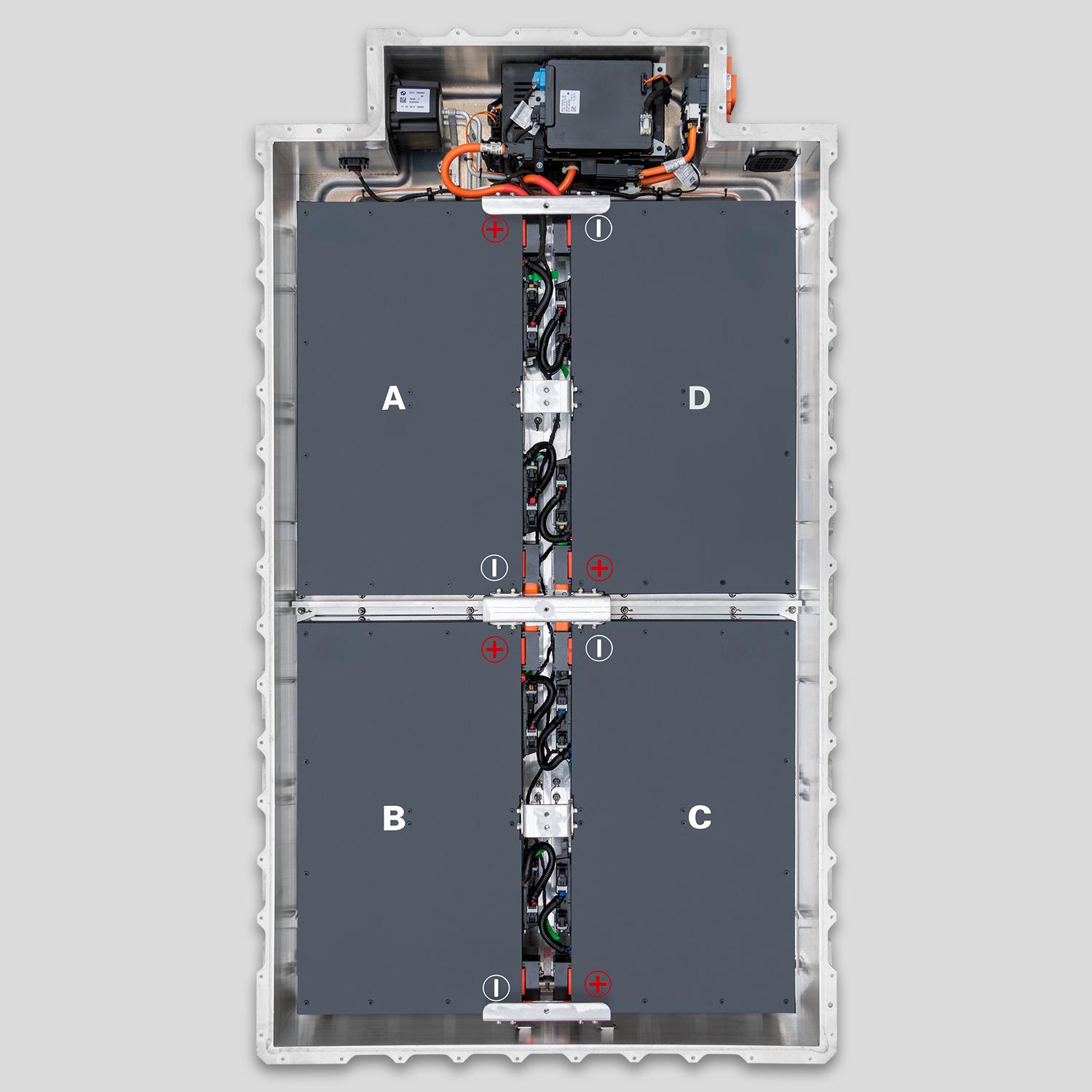
The Nissan Leaf battery replacement market is changing fast. If you own a Leaf (or an e-NV200), you likely face a tough choice: stick with the aging original Lithium-Ion (NMC) chemistry or switch to the new Lithium Iron Phosphate (LFP) standard. As a long-time EV technician and expert at CNS BATTERY, I have helped thousands of owners make this decision. The reality is that standard EVs often struggle with range anxiety and battery degradation, but the right LFP upgrade can transform your driving experience. In this guide, I will break down exactly how an LFP battery stacks up against “EVs Enhanced” solutions, helping you save money while gaining peace of mind.
Why Nissan Leaf Owners Are Switching to LFP
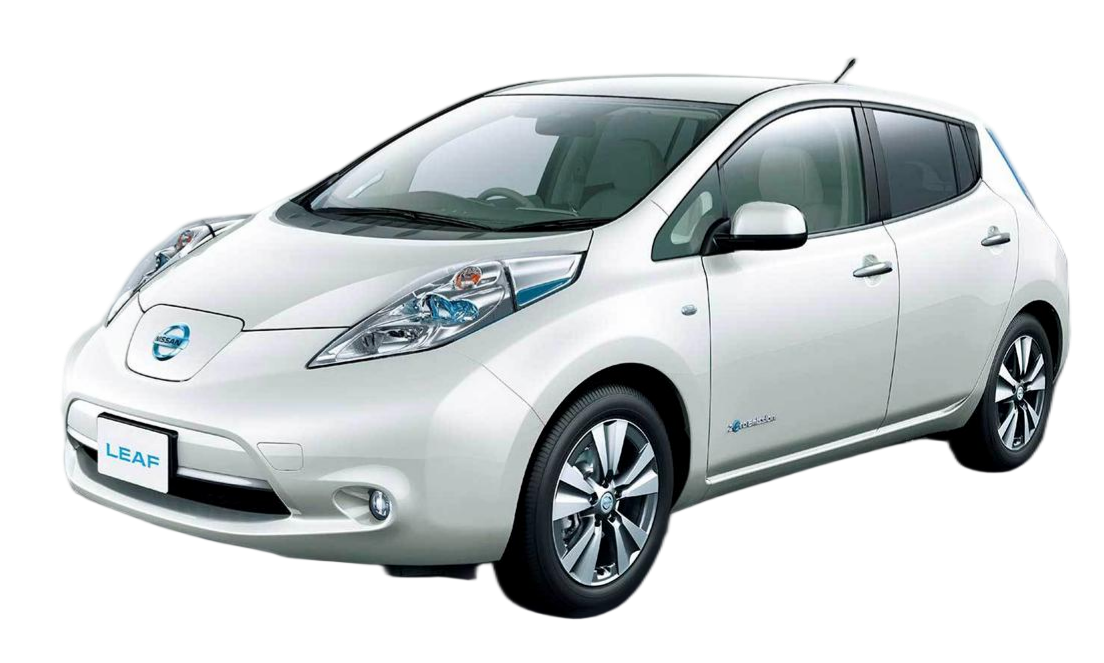
The Nissan Leaf has been a pioneer in the electric car world. However, the original batteries—using Nickel Manganese Cobalt (NMC) chemistry—are now showing their age. If you drive a 2011-2018 model (ZE0/AZE0), you know the struggle: summer range drops drastically, and the battery bars disappear faster than you want.
LFP (Lithium Iron Phosphate) technology solves these core issues. Unlike NMC batteries, LFP cells do not contain Cobalt, making them cheaper and safer. More importantly, they handle heat much better. As someone who has tested countless battery packs, I can tell you that LFP chemistry is the best defense against “capacity fade.” While your old NMC battery might have degraded to 50% capacity in 5 years, a high-quality LFP pack can retain over 70% capacity for over 10 years.
The “EVs Enhanced” Experience: What Does It Mean?
When we talk about “Enhanced” EVs, we are referring to vehicles that have been upgraded to perform better than their factory specifications. For the Nissan Leaf and e-NV200, this usually means one thing: increased kWh (Kilowatt-hour) capacity.
The standard Nissan Leaf ZE0 came with a 24kWh or 30kWh pack. The “Enhanced” experience starts when you upgrade to a 40kWh, 50kWh, or even a 62kWh/68kWh LFP battery.
Here is what this enhancement looks like in real-world performance:
| Feature | Standard Leaf (24kWh/30kWh) | Enhanced Leaf (40kWh/62kWh LFP) |
|---|---|---|
| Real-World Range | 80-120 km (Easily depleted by AC/Heat) | 250-400 km (Comfortable highway driving) |
| Battery Lifespan | 3-5 years before significant degradation | 8-10+ years with minimal degradation |
| Charging Speed | Slow (2.5kW – 6.6kW) | Faster (Supports 6.6kW+ AC charging) |
| Suitability | Only for city commuting | Suitable for long-distance travel |
An “Enhanced” EV is no longer just a grocery getter; it becomes a reliable family car.
Performance Comparison: LFP vs. Standard EVs
As an expert, I often get asked: “Is the LFP upgrade really worth it compared to just buying a standard used EV?”
The answer is a resounding yes, and here is why based on performance data:
- Safety First: LFP batteries are inherently safer. They are much less likely to overheat or catch fire compared to NMC batteries. This is crucial for older EVs where the original Battery Management Systems (BMS) might be failing.
- Zero “Memory Effect”: Older EV batteries often suffered from memory effect, where the battery “forgot” its full capacity if not charged perfectly. LFP batteries do not have this problem. You can charge them from 20% to 80% daily without harming the battery.
- Cold Weather Performance: While no battery loves the cold, LFP technology paired with a modern BMS (like the ones we use at CNS) handles low temperatures significantly better than the original Leaf batteries.
The Cost Factor: Saving 50%+ with Quality
Let’s talk about the elephant in the room: cost. Replacing a battery in a dealership can cost upwards of $15,000. This is where the “EVs Enhanced” aftermarket comes in.
By choosing a specialized manufacturer like CNS BATTERY, you are cutting out the middleman and the brand markup. We manufacture our packs using brand-new CATL (Contemporary Amperex Technology Co. Limited) cells, which are the gold standard in the industry.
The value proposition is clear:
- 50% Cost Reduction: You pay roughly half the price of an OEM replacement.
- Double the Quality: You get a brand-new battery instead of a refurbished or remanufactured one.
- Enhanced Warranty: While standard EV warranties are often expired, we offer a 24-month / 80,000 km warranty, which is significantly longer than what most competitors offer.
Why Choose CNS BATTERY for Your Leaf or e-NV200?
At CNS BATTERY, we don’t just sell batteries; we provide powertrain solutions. Here is why our customers trust us to enhance their EVs:
- OEM Compatibility: Our packs are engineered to fit Nissan Leaf (ZE0, AZE0, ZE1) and e-NV200 models perfectly. There is no cutting, no drilling, and no modifications needed. It is a true plug-and-play solution.
- Expert Support: I know changing a battery can be intimidating. That is why we offer step-by-step installation guides and video call support. Whether you are a DIY enthusiast or a professional mechanic, we have you covered.
- Global Reach: We handle the complexities of shipping lithium batteries worldwide, including customs and DDP (Delivered Duty Paid) services.
If you are tired of your Leaf’s limited range and fear of breakdowns, it is time to upgrade to an Enhanced EV with an LFP battery.
Don’t let your EV die. Give it a new lease on life with a CNS BATTERY upgrade.
Frequently Asked Questions (FAQ)
Q: How long does it take to install an LFP battery? A: For a professional technician, the installation typically takes 1-2 hours. If you are doing it yourself (DIY), it may take 2-3 hours, depending on your experience. We provide detailed video tutorials and manuals to guide you through every step.
Q: Will an LFP battery work with my car’s original BMS (Battery Management System)? A: Yes. Our batteries are designed with OEM standards in mind. We ensure that the voltage, capacity, and interface match your original vehicle specifications perfectly. In most cases, it is a seamless plug-and-play replacement.
Q: What is the warranty coverage for the LFP battery? A: We offer a comprehensive 24-month / 80,000 km warranty. This covers defects in materials and workmanship. We also guarantee that the battery will maintain at least 70% capacity during the warranty period.
Q: Are these batteries safe to ship internationally? A: Yes. Lithium batteries are classified as dangerous goods, but we partner with major carriers like DHL and FedEx who are certified to handle UN 3480/3481 shipments. We handle all the necessary paperwork and safety packaging to ensure your battery arrives safely.