Here is the SEO-optimized article tailored for fleet owners, designed to rank well on Google while driving conversions for CNS BATTERY.
How to Get Compatible Nissan Leaf Battery for Fleet Owners
Managing an electric vehicle (EV) fleet is a balancing act between sustainability and the bottom line. As a fleet manager, your primary concern isn’t just the initial purchase price of a Nissan Leaf, but the long-term Total Cost of Ownership (TCO). The battery is the most expensive component of an EV, and for high-mileage fleets, degradation is inevitable.
If you are facing rising maintenance costs, reduced range, or downtime due to battery failure in your Nissan Leaf or e-NV200 fleet, you need a solution that restores performance without breaking the bank. This guide will walk you through the specific steps to source OEM-compatible, high-quality replacement batteries that are specifically engineered for commercial viability.
Why Fleet Owners Need a Different Battery Strategy
Standard consumer batteries often don’t meet the rigorous demands of a commercial fleet. While a standard Nissan Leaf battery might suffice for daily commuting, fleet vehicles endure constant charging cycles, heavy usage, and require maximum uptime.
For fleet managers, the key metrics are:
- Cost per Mile: How much does it cost to keep the vehicle moving?
- Downtime: How quickly can a vehicle be repaired and back on the road?
- Warranty Security: Protection against unexpected failures.
The good news is that you don’t have to pay the exorbitant OEM dealer prices to get factory-grade performance. By sourcing directly from a specialized manufacturer, you can cut costs by over 50% while maintaining the safety and compatibility required for professional use.
Step 1: Identify Your Exact Model & Specifications
The Nissan Leaf has been in production for over a decade, and the battery requirements vary significantly between generations. To ensure compatibility, you must first identify your specific fleet’s VIN or model code.
| Model Series | Common Codes | Key Battery Options | Fleet Application |
|---|---|---|---|
| Nissan Leaf (1st Gen) | ZE0 | 24kWh, 30kWh | Short urban routes, last-mile delivery |
| Nissan Leaf (2nd Gen) | ZE1 | 40kWh, 62kWh | Standard taxi services, regional logistics |
| Nissan Leaf (Latest) | AZE0 | 40kWh, 62kWh, 80kWh | High-mileage commercial use, long shifts |
| Nissan e-NV200 | – | 40kWh, 60kWh | Light commercial vans, courier services |
- ZE0 Series (2011-2017): These older models are often the backbone of budget fleets. Upgrading these with a new 40kWh or 62kWh compatible pack can extend their life by another 5-8 years.
- ZE1 & AZE0 Series (2018+): For modern fleets, ensuring the Battery Management System (BMS) is perfectly matched is crucial to avoid communication errors with the vehicle’s dashboard.
Step 2: Prioritize New Cells Over Refurbished
This is the most critical decision for fleet managers. Do not settle for refurbished or recycled cells.
Many suppliers offer “cheap” batteries made from salvaged cells. While the upfront cost might be lower, the risk to your fleet is too high:
- Inconsistent Performance: Salvaged cells have varying health, leading to “weak links” in the pack.
- Swelling & Failure: Old cells are prone to swelling, which can cause catastrophic short circuits and fire hazards.
- High Downtime: Refurbished packs often fail within 6-12 months, pulling your vehicle out of service repeatedly.
The Fleet Standard: Brand New CATL Cells
For commercial reliability, you need brand-new, A-grade cells from a Tier-1 manufacturer. CATL (Contemporary Amperex Technology Co. Limited) is the world’s largest battery producer. Using brand-new CATL cells ensures:
- Zero Defect Rate: Consistent quality control.
- Long Cycle Life: Thousands of charge cycles suitable for daily fleet operations.
- Safety: Built-in protection against thermal runaway.
Step 3: Demand an Unbeatable Warranty
Fleet vehicles are assets, and assets require protection. When sourcing a battery, the warranty is your insurance policy.
A standard industry warranty might offer 1 year or 20,000 km. For a fleet, this is insufficient. Look for suppliers who offer Commercial-Grade Warranties that match the demands of your business.
What to Look For:
- Duration: Minimum 2 years.
- Mileage: Coverage up to 80,000 km (or 50,000 miles).
- Degradation Guarantee: The battery should guarantee at least 70% capacity throughout the warranty period.
This level of coverage ensures that if a cell fails during your shift, you are covered for a free replacement, minimizing financial loss.
Step 4: Verify OEM Fitment & BMS Compatibility
A fleet manager cannot afford “custom fabrication” during a battery swap. The replacement must be Plug-and-Play.
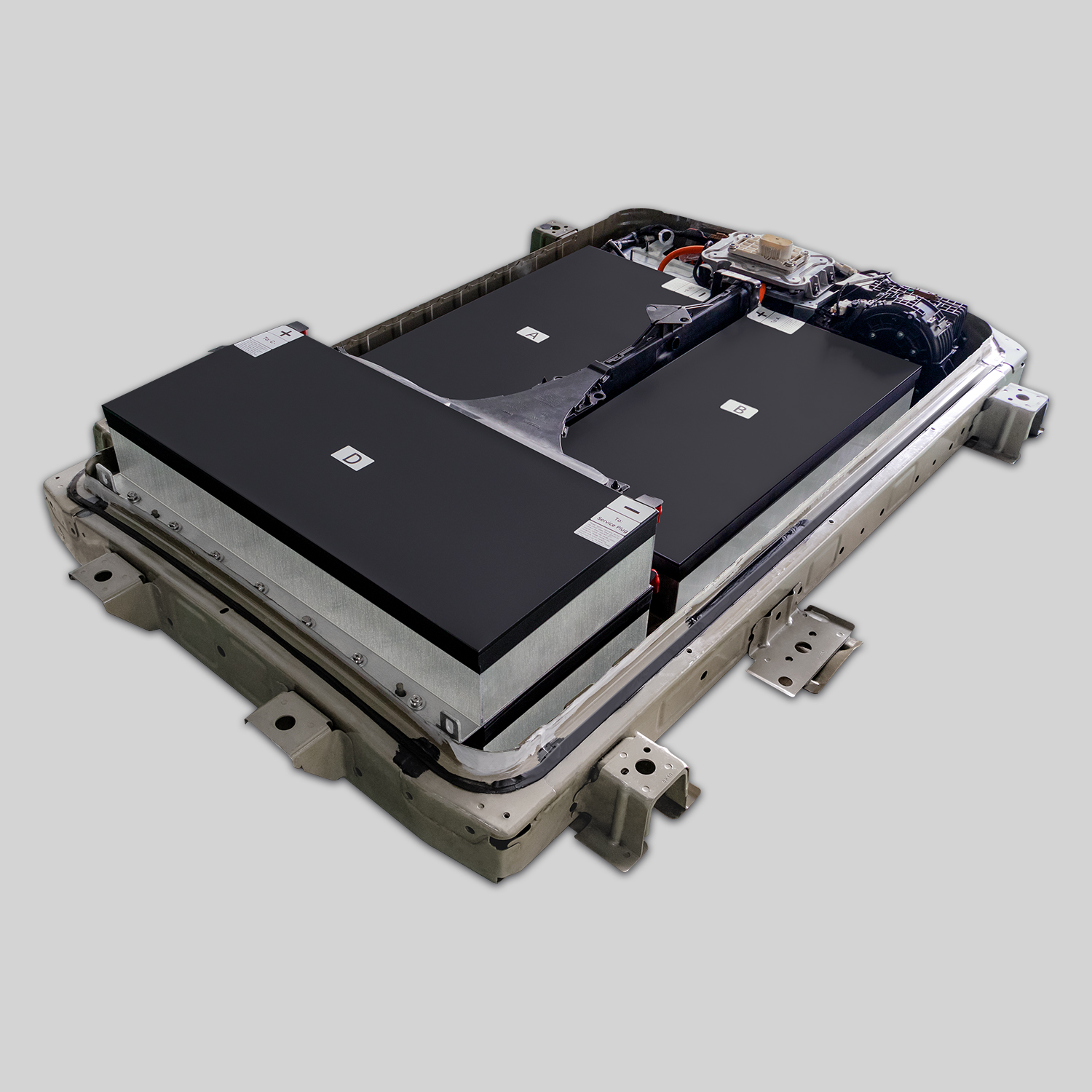
- Physical Fitment: The battery casing must match the OEM dimensions exactly to fit the chassis mounts without modification.
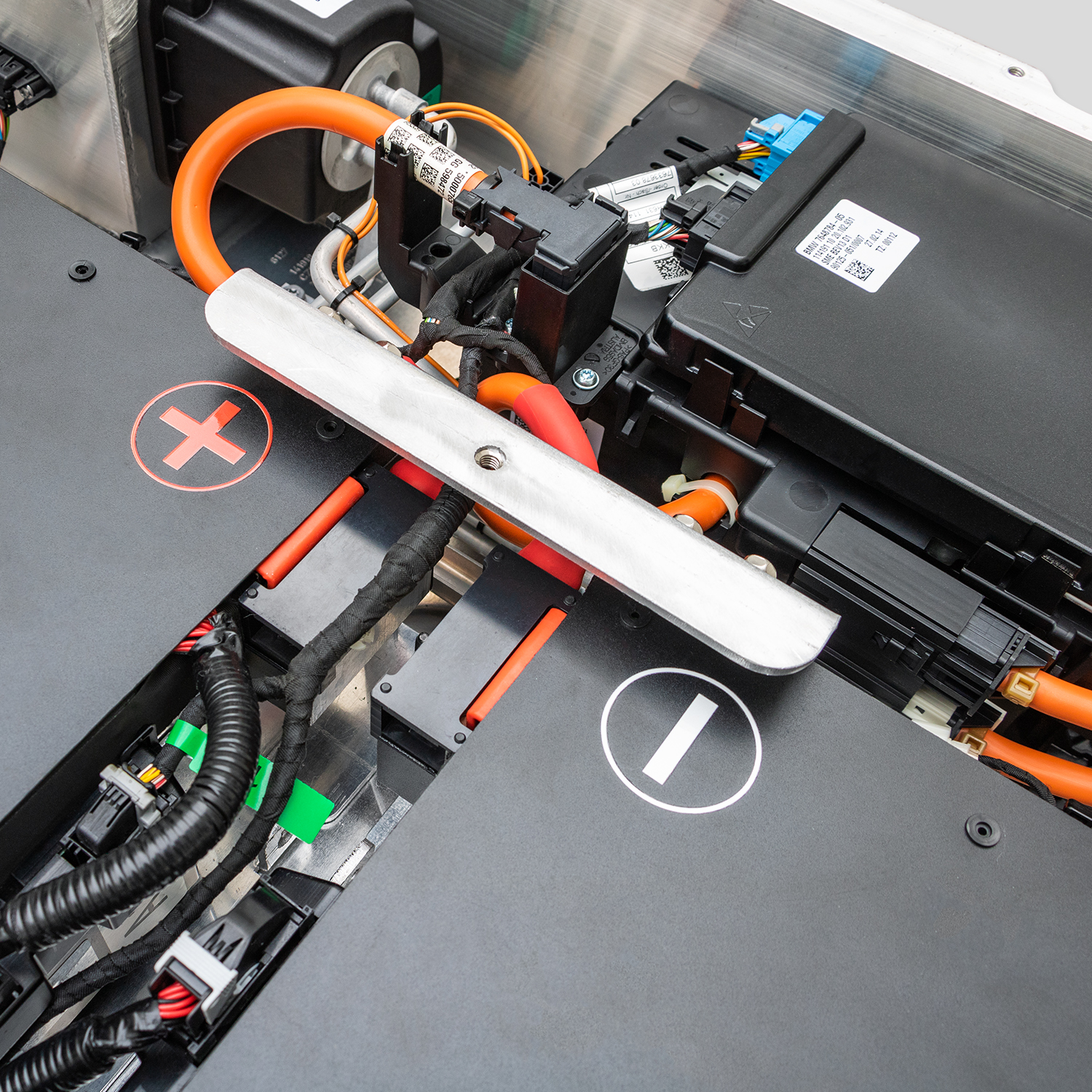
- Electrical Connectors: The HV (High Voltage) and LV (Low Voltage) connectors must match the original vehicle harness.
- BMS (Battery Management System): This is the “brain” of the battery. The BMS must be programmed to communicate seamlessly with the Nissan Leaf’s Vehicle Control Unit (VCU). If the BMS isn’t compatible, the car will throw error codes and refuse to drive.
Step 5: Get a Custom Quote for Your Volume
Fleet purchases are not one-size-fits-all. You likely have multiple vehicles, and you might be looking at different capacity upgrades (e.g., upgrading a 24kWh Leaf to a 40kWh pack to increase daily range).
To get the best price and service:
- List your VINs: Gather the Vehicle Identification Numbers of the cars needing batteries.
- Specify the Capacity: Decide if you want to maintain the original KWH or upgrade for more range.
- Contact a Specialist: Use a direct manufacturer contact form to submit your requirements.
By dealing directly with the manufacturer, you cut out the middleman dealer markup. Manufacturers specializing in fleet solutions can often provide Volume Discounts and Dedicated Account Management to streamline the logistics of receiving and installing multiple packs.
Conclusion: Restoring Your Fleet’s Profitability
Replacing a Nissan Leaf battery doesn’t have to mean sending the car to the scrapyard or paying dealer ransom prices. By following these steps—identifying your model, insisting on brand-new cells, demanding a robust warranty, and verifying perfect fitment—you can restore your fleet to “like-new” condition at a fraction of the cost.
For fleet managers looking to maximize their ROI and keep their electric vehicles operational for years to come, sourcing a direct OEM-compatible replacement is the smartest business decision.
Don’t let battery degradation ground your operations. Get a free, no-obligation quote today to see how much you can save on your Nissan Leaf or e-NV200 fleet batteries.
Get Your Custom Fleet Quote Now
Frequently Asked Questions (FAQ)
1. How long does it take to install a replacement battery in a Nissan Leaf?
For a professional technician, the installation typically takes 1-2 hours. The process is designed to be plug-and-play, meaning the old battery is unbolted, and the new one is bolted in using the existing vehicle harness. We provide detailed installation guides and videos to ensure a smooth swap with minimal downtime for your fleet.
2. Will a replacement battery affect my vehicle’s warranty or software?
A high-quality, OEM-compatible battery from a reputable manufacturer will not affect your vehicle’s software. The Battery Management System (BMS) is programmed to mimic the original OEM communication protocols. The car will recognize it as a standard factory battery, allowing for normal charging, discharging, and range calculation without triggering error codes.
3. What is the price difference between a dealer battery and a compatible replacement?
You can expect to save over 50% compared to the original manufacturer (OEM) price. While OEM dealers often charge upwards of $12,000 – $16,000 for a replacement, a direct-from-manufacturer compatible battery typically costs around $7,000 – $8,000, depending on capacity and volume discounts.
4. How do I know if my specific Leaf model is compatible?
Compatibility is determined by your VIN (Vehicle Identification Number) and model year. Before you purchase, you should submit your VIN to the manufacturer’s technical team. They will cross-reference it with their compatibility database to confirm that the voltage, capacity, and physical dimensions of the replacement battery match your specific Leaf generation (ZE0, ZE1, or AZE0).
5. What kind of warranty should I expect?
At a minimum, you should look for a warranty of 2 years or 80,000 km. This warranty should cover defects in materials and workmanship. Additionally, a good commercial warranty will guarantee that the battery maintains at least 70% of its capacity throughout the warranty period, ensuring your fleet vehicles don’t suffer from rapid degradation.