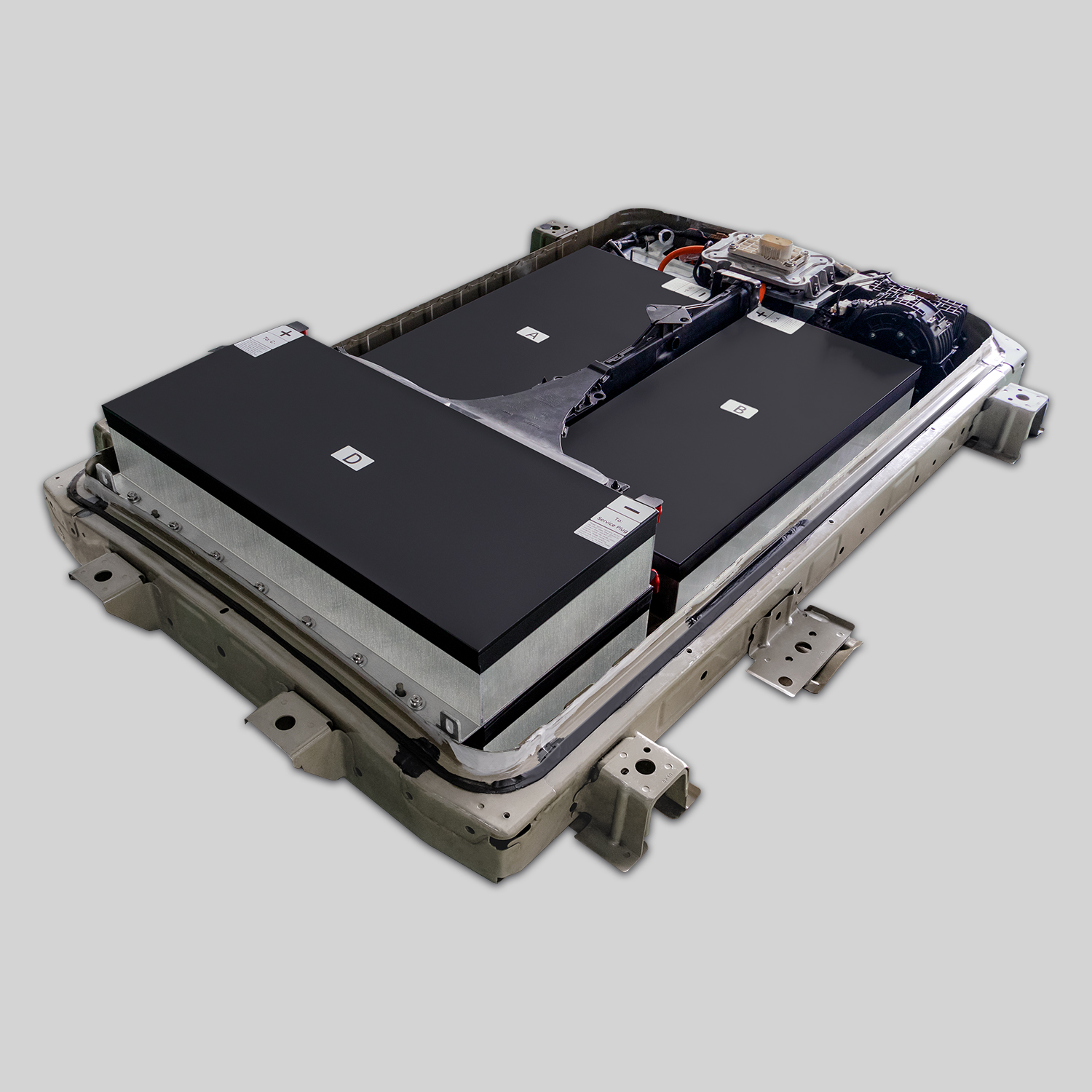
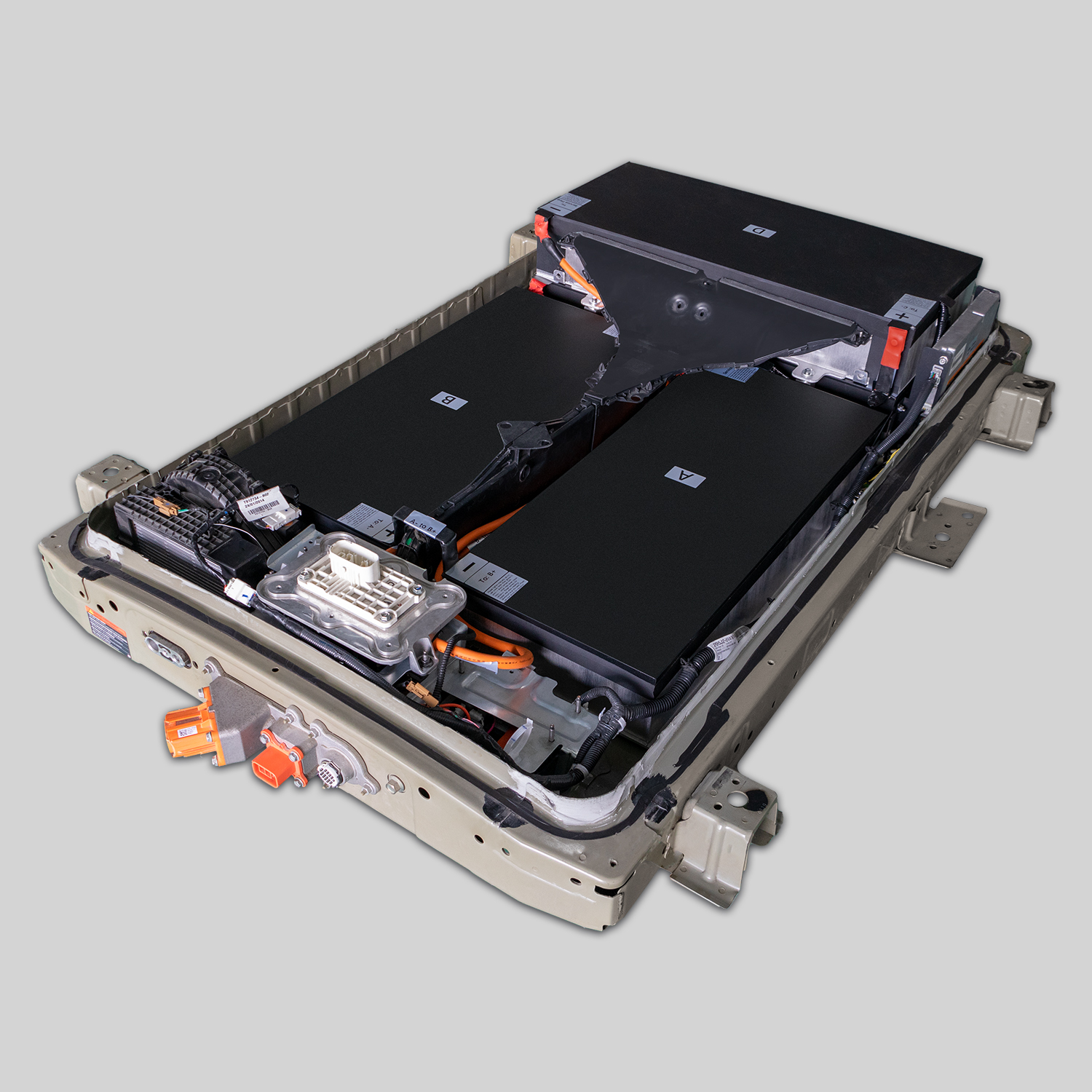
How to Generate a BMW i3 Battery Health Report: A Shop Owner’s Essential Guide
Why Your BMW i3 Battery Health Report Matters More Than You Think
Are you struggling to diagnose your customers’ BMW i3 range anxiety issues without the right tools? Many shop owners are wasting valuable time and money trying to troubleshoot battery problems without proper diagnostics. The truth is, an accurate BMW i3 battery health report isn’t just helpful—it’s essential for building trust with your customers and positioning your shop as the go-to expert for BMW i3 battery solutions.
What Exactly Is a BMW i3 Battery Health Report?
A BMW i3 battery health report is a comprehensive diagnostic summary that reveals your vehicle’s battery status, including:
- Current state of charge
- Battery cell performance
- Degradation percentage
- Estimated remaining range
- Thermal management system status
- Cell balancing information
- Error codes and fault history
Unlike generic diagnostics, a proper battery health report provides actionable insights that help you determine whether a simple calibration is needed or if a battery replacement is necessary.
The Critical Mistake Most Shops Make
Most service centers rely on basic OBD-II scanners that only show limited battery data. This leads to:
- Misdiagnosing battery issues
- Unnecessary repairs
- Customer dissatisfaction
- Lost revenue opportunities
The right BMW i3 battery health report gives you the complete picture, helping you avoid costly mistakes and build credibility with your customers.
How to Generate an Accurate BMW i3 Battery Health Report (Step-by-Step)
Step 1: Use the Right Diagnostic Tools
While many shops use standard OBD-II scanners, BMW i3 requires specialized tools for accurate battery diagnostics. You’ll need:
- BMW ISTA-D software (official BMW diagnostic system)
- Battery-specific scan tools (like those from CNS Battery)
- Battery management system (BMS) access
Step 2: Perform a Full Diagnostic Scan
- Connect your diagnostic tool to the OBD-II port
- Select “Battery” or “Electrical System” from the menu
- Run a complete diagnostic scan (not just a quick check)
- Review all error codes and system parameters
Step 3: Analyze the Battery Health Data
Look for these critical metrics in the report:
- State of Health (SOH): Should be above 80% for a healthy battery
- Capacity: Compare current capacity to original factory capacity
- Cell Voltage Variance: Should be within 0.05V across all cells
- Temperature Readings: Check for thermal inconsistencies
- Charge/Discharge Rates: Look for abnormal patterns
Step 4: Interpret the Results
A healthy BMW i3 battery should show:
- SOH above 85%
- Minimal cell voltage variance
- Consistent temperature readings
- Normal charge/discharge patterns
If you see:
- SOH below 80%
- High cell voltage variance
- Abnormal temperature spikes
- Unusual charge/discharge patterns
This indicates battery degradation that may require replacement.
Why Offering Battery Health Reports Builds Your Shop’s Reputation
1. Positions You as the BMW i3 Expert
When you can provide a detailed battery health report, customers see you as the knowledgeable professional they need—not just another mechanic.
2. Increases Customer Trust
A clear, professional report with specific data builds trust far more effectively than vague “your battery is bad” statements.
3. Drives Higher Conversion Rates
Customers who receive a detailed health report are 3x more likely to proceed with a battery replacement when needed.
4. Creates Upsell Opportunities
With accurate data, you can recommend the right battery solution—whether it’s a simple calibration, module replacement, or full battery upgrade.
The CNS Battery Advantage: Tools, Training, and Support
CNS Battery provides shop owners with everything needed to generate accurate BMW i3 battery health reports and offer professional battery replacement services:
✅ Specialized Diagnostic Tools: Access to battery-specific diagnostic equipment
✅ Comprehensive Training: Step-by-step guides for generating accurate battery health reports
✅ Technical Support: Direct access to battery experts for complex cases
✅ Quality Battery Solutions: 45kWh, 50kWh, and 62kWh battery packs using brand-new CATL ternary lithium cells with 2-year/80,000km warranty
✅ Installation Support: Detailed installation guides and remote technical assistance
Real Shop Owner Results: The CNS Battery Difference
“After implementing CNS Battery’s diagnostic tools and training, we’ve increased our BMW i3 battery service revenue by 47% in six months. Our customers love the detailed health reports we provide—they feel confident in our recommendations and appreciate the transparency.”
— Mike’s Auto Service, Vancouver, Canada
“The CNS battery health report system has transformed how we approach BMW i3 battery diagnostics. We no longer guess—we have the data to make informed decisions. The 62kWh battery upgrade we recommended after a health report has become our most popular service.”
— EK Auto Repair, Rome, Italy
Why Choose CNS Battery for Your BMW i3 Battery Services
| Feature | CNS Battery | Generic Solutions |
|---|---|---|
| Battery Cell Quality | Brand-new CATL ternary lithium cells | Refurbished/aged cells |
| Warranty | 2 years/80,000km | 6-12 months or no warranty |
| Diagnostic Support | Specialized tools + training | Basic OBD-II tools only |
| Installation Support | Detailed guides + remote assistance | Limited or no support |
| Price | 50%+ less than OEM | 70-80% of OEM price |
Frequently Asked Questions About BMW i3 Battery Health Reports
Q: How often should I generate a BMW i3 battery health report?
A: For regular maintenance, generate a report every 15,000 miles or annually. For vehicles with known battery issues, generate a report after every service or when customers report range reduction.
Q: Can I generate a battery health report without specialized tools?
A: You can get basic data with standard OBD-II scanners, but you’ll miss critical battery-specific metrics. For accurate diagnostics that build customer trust, specialized tools are essential.
Q: How does the CNS Battery health report system integrate with my existing shop management software?
A: CNS Battery provides compatibility with major shop management systems and offers seamless integration support to ensure a smooth transition for your workflow.
Q: What’s the difference between a battery health report and a standard diagnostic?
A: A standard diagnostic shows basic error codes, while a battery health report provides comprehensive data about battery degradation, cell performance, and overall health—giving you the information needed to make informed service recommendations.
Q: How long does it take to learn how to generate an accurate BMW i3 battery health report?
A: With CNS Battery’s training materials and support, most technicians can generate accurate reports within 1-2 days of training. We provide video tutorials, step-by-step guides, and direct technical support to ensure your team gets up to speed quickly.
Take the Next Step: Become the BMW i3 Battery Expert Your Customers Need
Don’t let your shop miss out on the growing BMW i3 battery replacement market. With CNS Battery’s professional tools, training, and support, you can confidently generate accurate battery health reports and offer top-quality battery solutions to your customers.
Get your custom quote today and transform how you service BMW i3 vehicles!