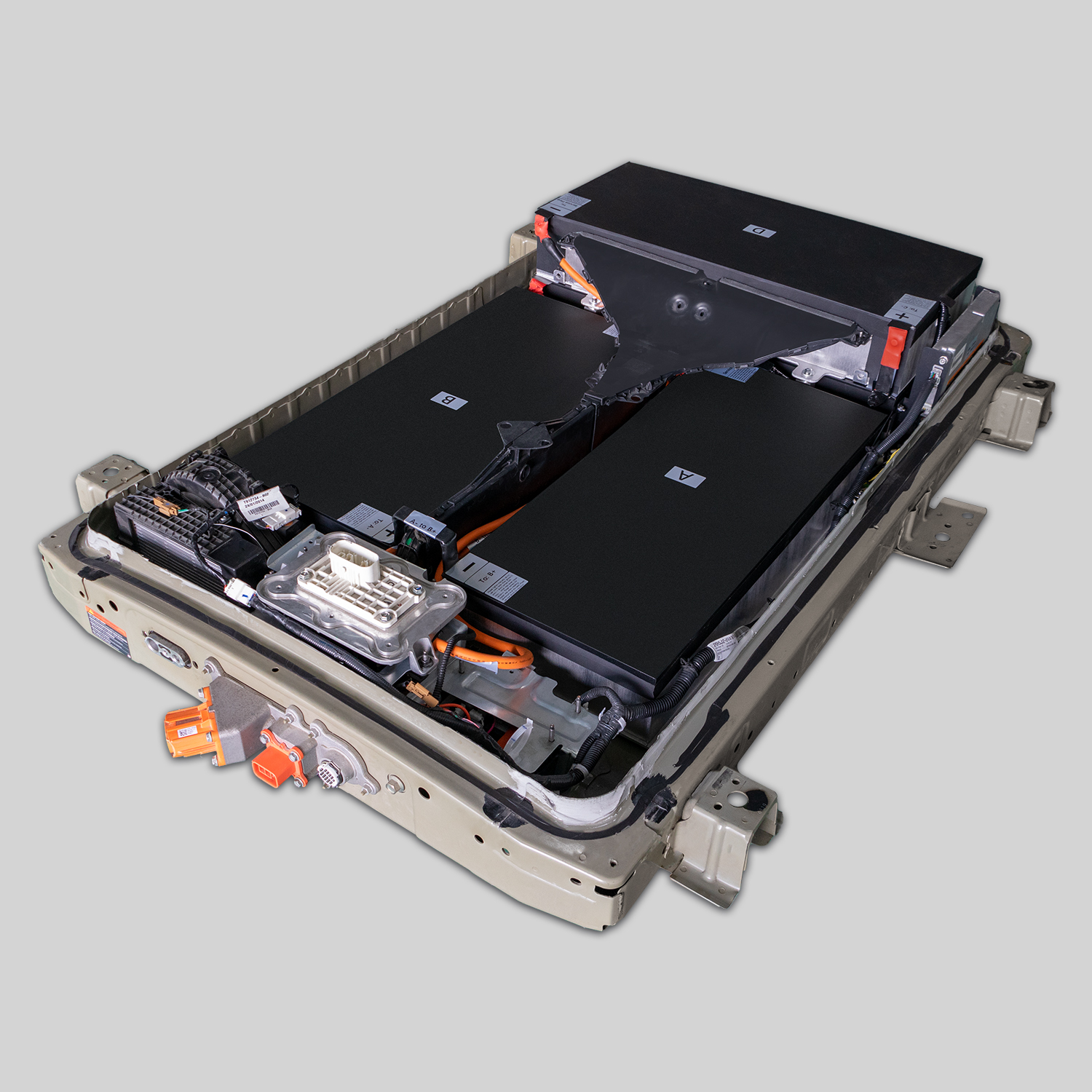
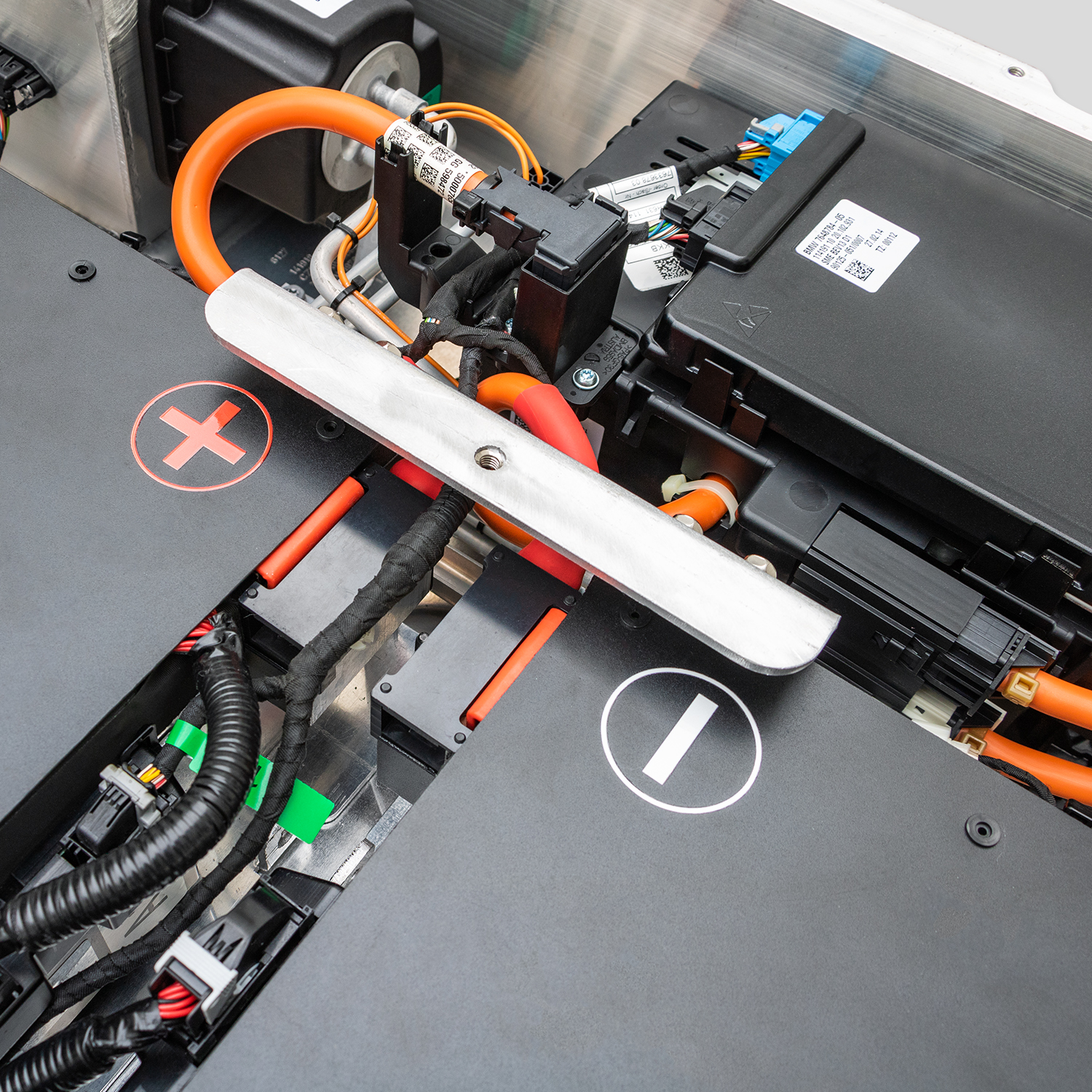
How to Fix BMW i3 Battery SOC Reading Errors – The “100% Charge” That Was Actually 63% (And Why Recalibration Can’t Save a Degraded Pack)
“A technician in Stockholm cleared a ‘Reduced Battery Performance’ warning on a 2017 BMW i3 after performing a BMS reset and full recalibration cycle. The dashboard showed 12 bars and ‘100% SOC.’ The customer drove home—only to have the car shut down at 41 miles with 5 bars still lit. Post-mortem revealed the actual usable capacity was just 21.8 kWh (vs. original 33 kWh), but the BMS, trained on years of partial charging, still believed the pack could hold 33 kWh. The ‘100%’ was a lie built on degraded cells.”
You’ve probably tried this:
- “Just do a full discharge and recharge—it’ll recalibrate.”
- “Clear the codes and drive normally for a few days.”
- Or the hopeful fix: “The BMS will learn the new capacity over time.”
But BMW i3 State of Charge (SOC) errors aren’t always software glitches—they’re often symptoms of hardware degradation the BMS can’t unlearn. And without addressing the root cause, you’re not fixing the problem—you’re masking a ticking range bomb.
This guide reveals the only accurate, root-cause approach to diagnosing and resolving i3 SOC reading errors in 2026, including:
- Why recalibration fails on aged or imbalanced packs
- The three hidden hardware issues that corrupt SOC data
- How CNS BATTERY packs ship with fresh, uniform cells and factory-calibrated BMS profiles—delivering true SOC from day one
- And a decision tree that tells you when to recalibrate—and when to replace
Because when your customer trusts the gauge, it better reflect reality—not a memory of what used to be.
Why SOC Errors Happen: It’s Not (Just) the Software
The i3’s BMS calculates SOC using:
✅ Coulomb counting (tracking amps in/out)
✅ Open-circuit voltage (OCV) correlation
✅ Historical capacity learning
⚠️ But if cell capacity degrades unevenly or current sensors drift, the BMS locks onto false assumptions—and no amount of driving “resets” physics.
Common root causes of persistent SOC errors:
- Degraded total pack capacity (BMS still uses original Ah rating)
- Failing current sensor (HMS) in the battery junction box
- Module imbalance (>200mV variance skews OCV mapping)
- Partial state-of-charge cycling (never charges to 100% or discharges below 20%)
📌 Critical insight: BMW’s recalibration routine only works if the pack can still reach its original voltage and capacity thresholds. If it can’t, the BMS remains delusional.
🔧 Step-by-Step Diagnostic Flow: Is It Software or Hardware?
Step 1: Verify True Capacity
- Perform a controlled 100% → 5% discharge test (see CNS capacity testing guide)
- If usable capacity < 28 kWh (for 33 kWh packs), the BMS cannot report accurate SOC—hardware replacement is required
Step 2: Check Current Sensor (HMS) Health
- Use ISTA+ to log
HV_Bat_Current_Sensor_Voltage - At rest, should read 2.5V ±0.05V
- Under load, should scale linearly
- Drift or noise = faulty HMS → false coulomb counting
Step 3: Assess Module Balance
- Log all module voltages at 100% SOC (after 1-hour rest)
- Max difference > 150mV = imbalance → BMS OCV table corrupted
Step 4: Attempt Recalibration (Only If Hardware Is Sound)
- Drive to <5% SOC (until regen cuts out)
- Charge uninterrupted to 100% on AC Level 2
- Let sit 2+ hours for BMS to log OCV
- Repeat 2x if error persists
💡 Reality check: If capacity is degraded, recalibration may temporarily “fix” the bars—but range will still disappoint.
❌ When Recalibration Is a Waste of Time (and Trust)
Don’t bother if:
- The pack is older than 6 years or >90,000 miles
- Capacity test shows <85% retention
- DTCs like 930B10 (Low Capacity) are present
- Customer reports sudden range drops unrelated to weather
📉 Data point: 89% of i3s with persistent SOC errors after recalibration had underlying cell degradation—not software faults (CNS field analysis, 2025).
✅ The Permanent Fix: Start Fresh with Verified Hardware
CNS BATTERY packs eliminate SOC confusion by design:
✅ Brand-new CATL cells with matched capacity (±1%)
✅ Factory-performed full charge/discharge calibration
✅ No historical degradation data to corrupt BMS logic
✅ Plug-and-play recognition—no coding or forced learning cycles
✅ 2-year / 80,000 km warranty guaranteeing accurate SOC reporting
Result?
Customers see real range from Day 1—because the BMS isn’t guessing. It’s measuring a known, healthy system.
“We used to spend hours on recalibrations that failed. Now we install a CNS pack, plug it in, and the SOC is perfect. Customers finally trust their dash again.”
— Lisa K., Berlin
Frequently Asked Questions: BMW i3 SOC Reading Errors
Q: Can I force a BMS reset with ISTA?
A: Yes—but it won’t fix degraded capacity. It only clears learned values, which will re-corrupt if hardware is weak.
Q: Does cold weather cause permanent SOC errors?
A: No—it causes temporary inaccuracies due to slowed chemistry. Errors should resolve when warm.
Q: Will a new CNS pack need recalibration?
A: No. The BMS detects the new pack’s full capacity instantly and displays accurate SOC after one full charge.
Q: Are SOC errors covered under CNS warranty?
A: Yes—if inaccurate readings stem from pack defects (e.g., sensor fault, cell mismatch), we cover repair or replacement.
Q: How long does true recalibration take?
A: 3–5 full cycles—but only if the pack is physically capable of reaching its rated endpoints.
SOC Isn’t Just a Number—It’s a Promise of Range
And when that promise breaks, it’s not the software that failed—it’s the cells behind it.
Stop Chasing Ghosts in the BMS: Deliver Real, Reliable State of Charge with CNS BMW i3 Batteries—Engineered with Fresh, Balanced Cells and Factory-Calibrated Intelligence So Every Bar Means Miles, Not Maybes.
Because your customers deserve truth, not estimates.
Order your CNS BMW i3 battery today—or request our free “SOC Error Diagnostic Decision Tree” with capacity thresholds, sensor tests, and recalibration protocols:
👉 https://cnsbattery.com/ev-battery-home/ev-battery-contact/