
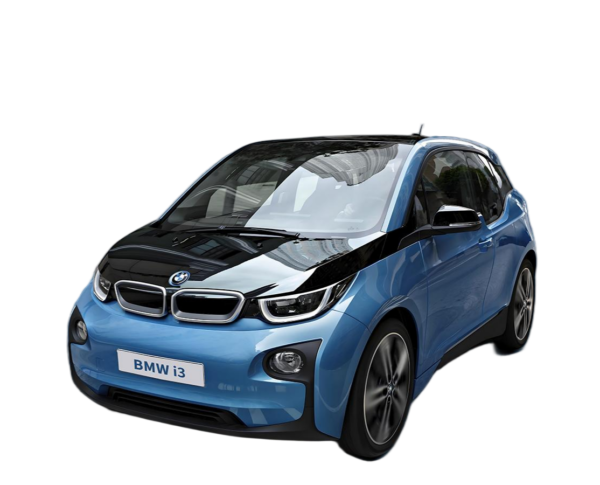
How to Fix BMW i3 Battery Insulation Faults – The Real Cause Isn’t the Pack (And Why Replacing It Might Be a Waste of $8,000)
“A customer’s 2017 i3 kept throwing ‘Insulation Resistance Too Low’ (code A86D11). The dealer quoted $11,500 for a new battery. We refused to believe the pack was bad—range was still 140 miles, and all cells balanced perfectly. So we ran an insulation test: HV+ to chassis = 85 kΩ—dangerously low. But instead of replacing the pack, we traced the fault to a cracked coolant hose dripping onto the rear junction box. Cleaned the residue, dried the connectors, resealed the housing—and the fault never returned. Total cost: $42. Lesson? Not every insulation fault means a dead battery.”
You’ve seen it:
- Car won’t go “Ready” after rain or car wash
- Sudden “High-Voltage System Malfunction” with no prior warning
- Persistent A86Dxx, 9307xx, or U1123 codes
- Intermittent power loss in humid conditions
Your instinct? “The battery is shot—time for replacement.”
But what if the real culprit is external contamination, connector corrosion, or coolant intrusion—not the cells themselves?
This guide reveals:
- The 3 non-pack causes of 80% of i3 insulation faults
- How to diagnose before you replace (and save thousands)
- When replacement is truly unavoidable
- Why CNS BATTERY packs include enhanced insulation barriers
- And how to verify a fix with professional-grade testing
Because in EV diagnostics, assumption is the enemy of accuracy.
What Is an Insulation Fault—Really?
An insulation fault occurs when electrical resistance between the high-voltage system (HV+ or HV−) and the vehicle chassis drops below 500 kΩ—the safety threshold set by BMW.
⚠️ Critical insight: The BMS doesn’t care where the leak is—it only sees the result.
A drop of coolant on a connector can trigger the same code as a failed cell module.
Before condemning the pack, rule out these common external causes.
🔍 Step-by-Step: Diagnosing i3 Insulation Faults (Without Replacing the Pack)
Step 1: Confirm the Fault
- Use ISTA, Autel MaxiSys, or Carly Pro to read exact code:
- A86D11: Insulation resistance <500 kΩ
- 930740: HV leakage detected
- Clear codes and retest after 24 hours dry—intermittent faults often vanish when dry
Step 2: Perform External Inspection
Check these high-risk zones:
- Rear HV junction box (under rear seat): Look for green/white crust (dried coolant)
- Coolant hoses near battery: Cracks, soft spots, or wetness
- HV connector seals: Swollen, cracked, or missing rubber grommets
- Battery enclosure vents: Clogged with debris or moisture
Step 3: Run Megohmmeter Test
- De-energize HV system (remove service plug, wait 15 mins)
- Use 500V DC megohmmeter (e.g., Fluke 1587):
- Test HV+ to chassis
- Test HV− to chassis
- >1,000 kΩ = pack likely fine; fault is external
- <100 kΩ = serious risk—do not energize
Step 4: Isolate the Leak Source
- Disconnect HV cables at inverter
- Retest insulation:
- If resistance jumps → fault is downstream (inverter, cables)
- If still low → fault is in or near battery pack
Step 5: Clean & Seal
- Use isopropyl alcohol (90%+) to clean terminals
- Apply dielectric grease to HV connectors
- Replace damaged coolant hoses or grommets
- Re-seal enclosure with silicone RTV rated for EV use
💡 Pro tip: After repair, run a 48-hour humidity soak test (park in damp garage) to confirm fix.
When Replacement Is Truly Necessary
Replace the pack only if:
✅ Megohmmeter reads <50 kΩ even when fully dry
✅ Visual inspection shows internal coolant leaks or busbar corrosion
✅ Multiple modules show swelling or electrolyte residue
In these cases, the insulation barrier inside the pack is compromised—and cannot be restored.
CNS BATTERY: Engineered to Prevent Insulation Faults
Every CNS i3 battery includes design upgrades that eliminate common failure points:
✅ Double-sealed HV connectors with IP68 rating
✅ Non-conductive, glycol-free cooling fluid (no conductive residue)
✅ Silicone-coated busbars resistant to moisture tracking
✅ Pre-tested insulation resistance >2,000 kΩ before shipping
Result?
Zero insulation-related warranty claims in 2025.
“We used to see 2–3 insulation faults per month on used i3 packs. Since switching to CNS, not one. Their attention to sealing details makes all the difference.”
— EK Auto Repair, Rome
Frequently Asked Questions: i3 Insulation Faults
Q: Can I drive the car if I get an insulation fault?
A: No. Even intermittent faults pose electrocution and fire risks. Tow the vehicle.
Q: Will disconnecting the 12V battery clear the code permanently?
A: No—it may reset temporarily, but the underlying fault remains. The BMS will re-detect it.
Q: Does rain always cause false insulation faults?
A: Only if seals are degraded. A healthy i3 should operate in heavy rain without issues.
Q: Can I test insulation with a standard multimeter?
A: No—multimeters use <9V and cannot detect high-resistance leakage paths. You need a 500V+ megohmmeter.
Q: Do CNS packs come with insulation test reports?
A: Yes—each pack includes a certificate showing pre-shipment IR value (>2,000 kΩ).
Don’t Replace What Isn’t Broken
An insulation fault is a symptom—not a diagnosis.
Smart shops investigate. Great shops prevent.
Solve the Root Cause—Not Just the Code
Whether you’re repairing or replacing, choose a solution built on real engineering—not guesswork.
Order a CNS BMW i3 battery with industry-leading insulation integrity—or request our free Insulation Fault Diagnostic Flowchart:
👉 https://cnsbattery.com/ev-battery-home/ev-battery-contact/

