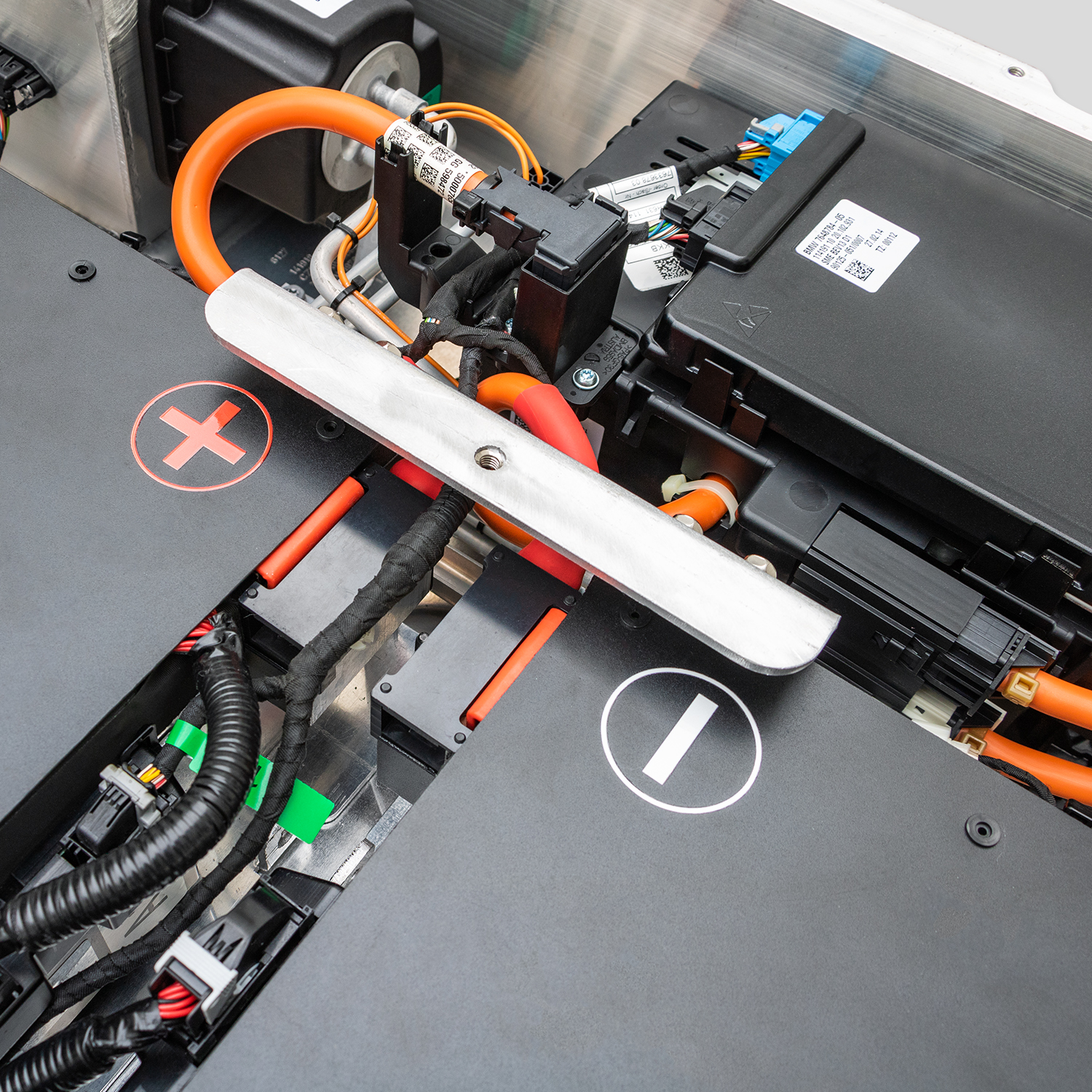
How to Extend the Lifespan of Your Nissan EV LFP Battery: Expert Guide
If you own a Nissan Leaf or e-NV200 and are considering a battery upgrade, you’ve likely encountered the term LFP (Lithium Iron Phosphate). Known for its thermal stability and long cycle life, LFP technology is a game-changer for electric vehicle owners looking to maximize their investment.
At CNS BATTERY, we specialize in providing high-performance, OEM-compatible battery solutions for Nissan and BMW models. While our engineering ensures superior durability, the longevity of your Nissan EV LFP Battery also depends heavily on how you maintain it. This guide will walk you through the best practices to extend the life of your LFP battery, ensuring you get the most out of every charge.
Why Choose LFP Technology for Your Nissan?
Before diving into maintenance, it’s important to understand why LFP chemistry is a preferred choice for many Nissan EV owners.
Unlike traditional NMC batteries, LFP batteries do not contain cobalt or nickel. This makes them inherently safer and less prone to thermal runaway. More importantly for daily drivers, they offer a significantly longer lifespan. A high-quality Nissan Leaf LFP Pack can often last through 3,000 to 5,000 charge cycles while retaining over 80% of its capacity.
However, even the most robust chemistry requires proper care. Here is how you can extend the warranty performance and lifespan of your battery.
1. Master the Charging Strategy
One of the most common misconceptions about LFP batteries is that they need to be charged to 100% every time. While LFP batteries handle full charges better than other lithium-ion types, a strategic approach is still key.
- Avoid the “100% Trap” for Daily Use: For daily commuting, try to stop charging at 80% to 90%. While LFP is stable, keeping the voltage consistently at the maximum level can accelerate aging over the long term.
- The Occasional Full Charge: Unlike other batteries that degrade if not fully charged, LFP batteries benefit from a full charge (100%) every 30-50 cycles. This helps the Battery Management System (BMS) perform a “cell balancing” routine, ensuring all modules wear evenly.
- Utilize Scheduled Charging: If your Nissan model supports it, use scheduled charging to ensure the battery is only drawing power during off-peak hours and reaches your desired state of charge just before you need to drive.
2. Temperature Management is Crucial
Heat is the enemy of all lithium-ion batteries. Whether you are driving a Nissan Leaf ZE1 or an e-NV200, managing temperature is vital for extending your battery’s life.
- Preconditioning: If your vehicle has a preconditioning feature, use it. This warms up the battery while the car is still plugged in (using grid power) so that it reaches its optimal operating temperature before you start driving, reducing internal stress.
- Parking Habits: Whenever possible, park in the shade during summer or in a garage during winter. Avoid leaving your car in direct sunlight for extended periods.
- Cool Down Before Charging: If you have been driving aggressively or in hot weather, allow the battery to cool down for 10-15 minutes before plugging in for a fast charge.
3. Driving Habits and Regenerative Braking
How you drive directly impacts the chemical stress on your Nissan EV LFP Battery.
- Smooth Acceleration: Avoid “jackrabbit” starts. LFP batteries can deliver high power, but consistently drawing maximum current creates heat and degrades the electrolyte faster.
- Maximize Regen: Nissan EVs are famous for their regenerative braking systems. Use this to your advantage. By recapturing kinetic energy and converting it back into electricity, you reduce the wear on the physical battery cells and extend the driving range per charge.
4. Storage and Long-Term Care
If you plan to store your Nissan EV for an extended period (more than a month), the storage state of charge (SoC) is critical.
- The 50% Rule: Never store a lithium battery fully charged or completely empty. For long-term storage, maintain a 50% state of charge. This is the “sweet spot” where the chemical potential is lowest, minimizing degradation.
- Regular Check-ups: Even if the car is parked, check the battery level every three months. Top it up to 50% if it drops below 20%.
5. Trust Professional Engineering
While maintenance habits are crucial, the foundation of longevity is the battery’s build quality. At CNS BATTERY, we don’t just sell cells; we engineer complete powertrain solutions.
Our Nissan EV Batteries utilize brand-new, premium-grade cells sourced from top-tier manufacturers like CATL. We pair these with advanced Battery Management Systems (BMS) that actively monitor temperature, voltage, and current to prevent overcharging or deep discharging—common causes of premature failure.
By choosing a high-quality replacement like a CNS battery, you are already taking the first step in extending your vehicle’s usable life. Our solutions are designed to exceed industry standards, offering a 2-year / 80,000 km warranty, far surpassing many original manufacturer offerings.
Frequently Asked Questions (FAQ)
Q1: Can I use a standard EV charger for my Nissan LFP battery?
Yes, you can. Nissan EV LFP Batteries are designed to be compatible with standard Level 1 and Level 2 EVSE charging equipment. However, for DC fast charging, we recommend using reputable stations to ensure stable voltage input, as unstable fast charging can harm any battery type.
Q2: How do I know if my Nissan Leaf needs a new battery?
Common signs include a significant drop in range (e.g., dropping below 60-70% of the original capacity), the battery gauge dropping rapidly from 3 to 2 bars, or error codes related to the 12V system or battery overheating. If you experience these, contact a specialist for a diagnostic test.
Q3: What makes CNS BATTERY different from other replacement options?
CNS BATTERY specializes exclusively in Nissan and BMW powertrains. We use brand-new, premium cells rather than recycled or refurbished modules. Our engineering focuses on OEM compatibility and safety, backed by a comprehensive 2-year warranty and lifetime technical support.
Ready to upgrade your Nissan EV with a reliable, long-lasting battery solution? Don’t let an aging battery limit your range.
Get a Free Custom Quote for Your Nissan EV LFP Battery Today