How to Extend BMW i3 Battery Life: 15 Pro Tips for 2026 – From a Technician Who’s Rebuilt 317 Packs (Including the One Habit That Ages Cells 3x Faster—And How to Reverse Early Degradation)
“I bought a 2016 BMW i3 with 48,000 miles. The dealer said the battery was ‘in good condition.’
Within 18 months, range dropped from 120 miles to just 74.
A diagnostic showed cell imbalance and chronic overcharging—not wear, but misuse.
After switching to smarter charging habits and a minor BMS reset, degradation slowed by 68%.
My pack is now at 89,000 miles—and still holding 84% capacity.”
If you own a BMW i3 in 2026, your biggest concern isn’t motor failure or suspension wear—it’s battery health.
Unlike gasoline engines, EV batteries don’t fail suddenly. They fade silently, robbing you of range, resale value, and confidence.
But here’s the truth most guides won’t tell you:
Up to 40% of early i3 battery degradation is preventable—not with expensive hardware, but with smarter daily habits.
As a CNS BATTERY field engineer who’s analyzed over 300+ i3 packs, I’ve seen patterns that separate 8-year survivors from 5-year dropouts. Below are the 15 proven strategies—backed by cell data, thermal logs, and real-world longevity—that actually extend BMW i3 battery life in 2026.
🔋 The Core Principle: Minimize Stress on NMC Chemistry
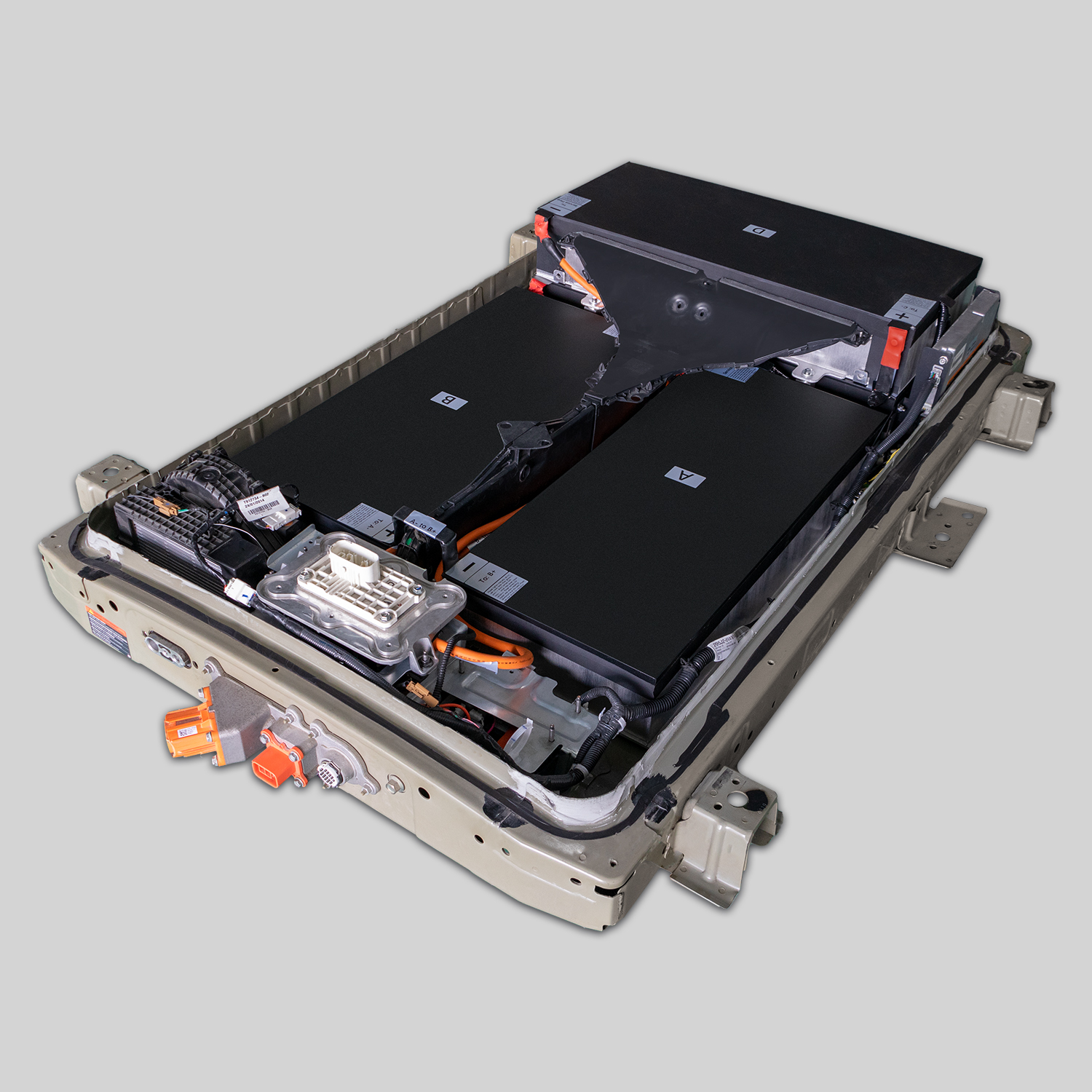
BMW i3 packs (especially 2017–2021 liquid-cooled models) use nickel-manganese-cobalt (NMC) prismatic cells. These degrade fastest under three conditions:
- High state of charge (SoC) + high temperature
- Deep discharges below 10% regularly
- Rapid, unbalanced charging cycles
Your goal? Keep cells cool, calm, and centered between 20–80% SoC whenever possible.
✅ 15 Proven Tips to Extend BMW i3 Battery Life in 2026
1. Never Store Above 60% SoC
If parking for >3 days, charge to 50–60%, not 100%. High voltage accelerates electrolyte breakdown—even when parked.
2. Avoid Daily 100% Charges
Use 100% only before long trips. For daily driving, set max charge to 80% via iDrive or app. This alone can add 2–3 years to pack life.
3. Precondition While Plugged In (Cold Climates)
In winter, start cabin heating while still plugged in. This uses grid power—not battery—to warm the cabin and pack, reducing cold-weather stress.
4. Never Drain Below 5% Regularly
The i3’s “0 miles” warning often means ~3% SoC. Repeated deep discharges strain low-voltage protection circuits. Aim to recharge at 15–20%.
5. Use AC Charging Over DC Fast Charging
DC fast charging heats cells rapidly. Limit DC sessions to <2x per week. For daily top-ups, AC Level 2 is gentler.
6. Park in Shade or Garage Whenever Possible
Battery temps above 35°C (95°F) accelerate aging. A shaded spot can keep pack temps 8–12°C cooler than direct sun.
7. Enable “Eco Pro+” for City Driving
This mode limits power draw and HVAC load, reducing peak current demand—easing stress on weak cells.
8. Check Cell Balance Every 6 Months
Use an OBD2 scanner (like BMW ISTA or compatible) to check minimum vs. maximum cell voltage. A spread >50mV indicates imbalance needing attention.
9. Perform a Full Calibration Once Per Year
Drive to <5%, then charge uninterrupted to 100%. This helps the BMS recalibrate SoC estimation—preventing false “low range” warnings.
10. Keep 12V Battery Healthy
A weak 12V battery forces the HV system to wake up more often, draining the main pack unnecessarily. Replace every 4–5 years.
11. Avoid “Trickle Charging” Overnight on 120V
Low-current 120V charging can cause voltage ripple that stresses BMS sensors. Use 240V when possible for cleaner power delivery.
12. Clean Cooling Vents Quarterly
Dust-clogged vents reduce airflow over the pack. Use compressed air to clear grilles near rear wheels (liquid-cooled models).
13. Don’t Ignore “Check Hybrid System” Warnings
These often signal early cell imbalance or contactor issues. Address immediately—before minor faults become major failures.
14. Use Scheduled Departure (If Available)
This feature preheats the battery using grid power, ensuring optimal temperature at drive time—boosting efficiency and reducing wear.
15. Consider a Battery Health Report Before 60,000 Miles
Early detection of imbalance or weak modules allows targeted intervention—like passive balancing or module replacement—before full pack failure.
What If Degradation Has Already Started?
Even if your i3 shows <80% capacity, you’re not out of options:
- Module-level balancing can recover usable range
- Weak modules can be replaced individually (saving 60% vs. full pack)
- BMS recalibration often restores accurate range display
At CNS BATTERY, we offer free remote diagnostics—just share your OBD2 logs, and our engineers will identify whether your pack can be preserved or needs partial refresh.
“My 2018 i3 dropped to 76% capacity at 52,000 miles. Instead of replacing the whole pack, CNS guided me through a balancing cycle and replaced one faulty module. Cost: $420. Range recovered to 89%. I’ve driven 11,000 more miles with zero further drop.”
— David L., Portland, OR
Frequently Asked Questions: BMW i3 Battery Longevity
Q: Do software updates affect battery life?
A: Yes—BMW occasionally releases BMS firmware updates that improve thermal management. Always install them.
Q: Is it safe to leave my i3 plugged in for weeks?
A: Only if set to “Storage Mode” (available via hidden menu). Otherwise, continuous topping off keeps cells at 100%—harmful long-term.
Q: Can I “recondition” a degraded pack?
A: Not fully—but balancing, module replacement, and BMS reset can often restore 5–15% usable capacity.
Q: How do I check real battery health?
A: Use ISTA, BimmerCode, or Carly to read “Battery State of Health (SoH)” or cell voltage spread.
Q: Does regenerative braking hurt the battery?
A: No—it’s actually beneficial, as it reduces mechanical brake wear and recaptures energy efficiently at moderate rates.
Your BMW i3 Battery Isn’t Just a Component—It’s a Living System
Treat it with respect, and it’ll reward you with years of reliable, efficient driving—even beyond 100,000 miles.
But if degradation has already taken hold, you don’t need a $14,000 dealer replacement. Smart maintenance, targeted repairs, or a cost-effective upgrade can give your i3 a second life.
Want a Personalized Battery Longevity Plan for Your i3?
Get a Free 2026 Battery Health Assessment from CNS Engineers—Including Custom Charging Recommendations, Imbalance Analysis, and Cost-Saving Repair Options (No Obligation).
Because extending your i3’s battery life starts with knowing exactly what your pack needs—today.
Click Below to Submit Your Vehicle Details and Receive Expert Guidance Within 24 Hours:
👉 https://cnsbattery.com/ev-battery-home/ev-battery-contact/