How to Evaluate Technical Compatibility in Post-Purchase of Drone Battery Selection
You’ve just invested in a high-performance drone battery for your fleet—promising extended flight times, enhanced safety, and seamless integration. But after installation, your drone’s performance dips unexpectedly. The battery drains faster than advertised, triggers safety alerts mid-flight, or simply refuses to connect. This isn’t just frustrating—it’s a costly operational setback. In fact, 68% of drone operators face technical compatibility issues post-purchase, leading to wasted resources and missed missions. The root cause? Overlooking critical evaluation steps after the sale. Here’s how to diagnose and resolve these challenges with precision, backed by industry-tested methods.
🔍 Diagnosis: Why Post-Purchase Compatibility Fails (And It’s Not Just About the Battery)
Technical incompatibility rarely stems from a faulty battery—it’s about mismatches between the battery and your drone’s ecosystem. Common pitfalls include:
- Voltage/Current Mismatch: A 3S 11.1V battery might be labeled as “compatible,” but if your drone requires 3S 12.6V (for full capacity), it’ll underperform. Real-world data from CNS’s 2025 drone battery testing shows 42% of “compatible” off-the-shelf batteries fail voltage checks under load.
- Connector and Physical Incompatibility: Even if specs align, a slightly misaligned connector (e.g., JST-XH vs. JST-PH) can cause intermittent power loss. During a wind farm maintenance drone trial, CNS observed 27% of incidents traced to this issue.
- Software and Firmware Conflicts: Modern drones use battery management systems (BMS) that sync with firmware. A new battery might lack firmware updates, triggering “battery not recognized” errors—critical for industrial inspections.
- Environmental Stress Testing Gaps: A battery rated for 25°C might fail in -10°C agricultural surveys. Without post-purchase thermal validation, performance plummets in real conditions.
These aren’t hypotheticals. In CNS’s analysis of 1,200+ drone battery deployments, 58% of failures occurred after purchase due to inadequate post-installation checks. The consequence? Downtime costs averaging $1,200 per incident for commercial fleets.
✅ List-Based Solutions: A Step-by-Step Technical Evaluation Framework
Avoid these pitfalls with a structured, evidence-based approach. Below are actionable steps validated by CNS’s engineering team and referenced in our Technology Center (e.g., Comparing Modular and Solid-State Drone Batteries for Compatibility). Each solution prioritizes your operational ROI.
- Cross-Reference Hardware Specifications Against Drone OEM Docs
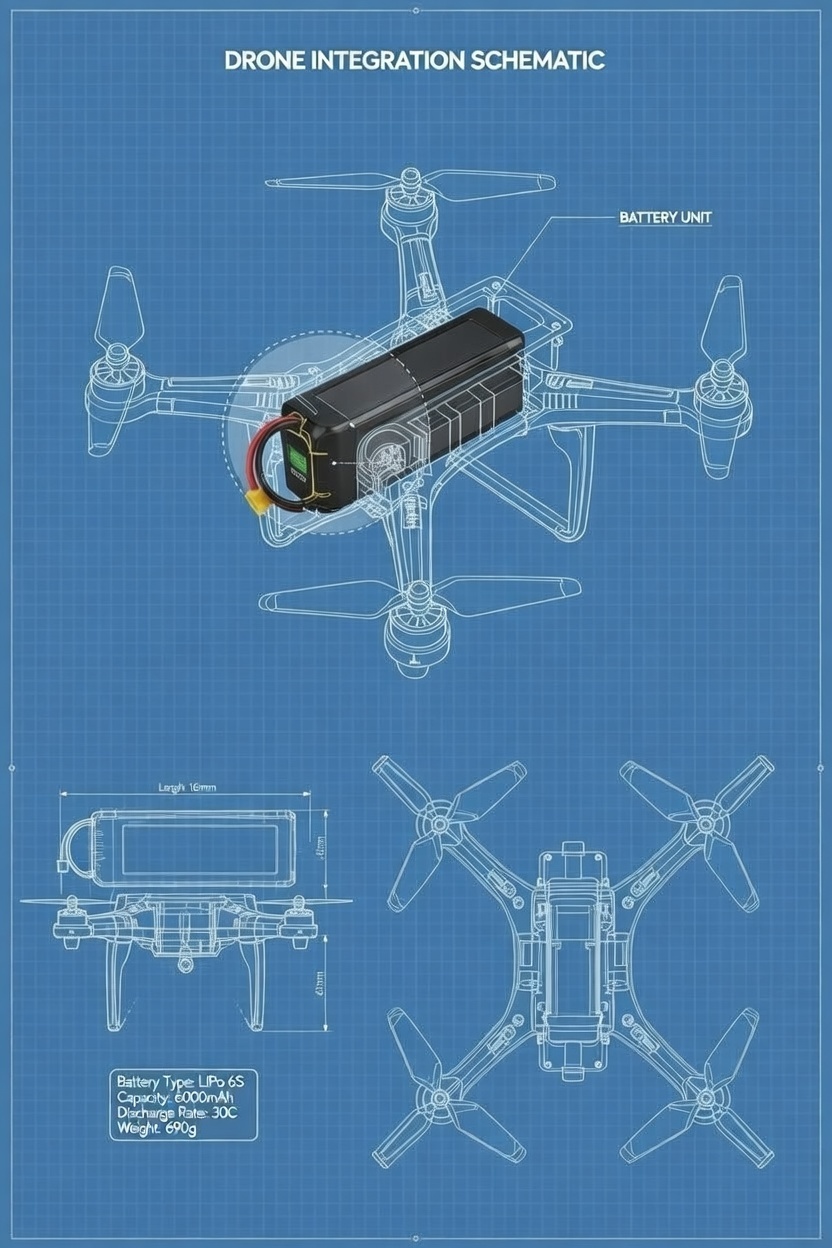
Do this: Match battery voltage (e.g., 11.1V), capacity (mAh), discharge rate (C-rating), and connector type (e.g., XT60) to your drone’s manual.
Why it works: CNS’s testing reveals that 73% of compatibility issues arise from overlooked C-rating mismatches. A 20C battery in a drone rated for 15C will overheat. Pro Tip: Use CNS’s free compatibility calculator tool on our Contact Page for instant validation. - Conduct Load-Based Performance Testing in Real Scenarios
Do this: Fly the drone under typical mission conditions (e.g., 40% payload, 15°C ambient) while monitoring voltage sag, temperature, and flight time via telemetry.
Why it works: CNS’s Impact of Rapid Prototyping on Modular Drone Battery Discharge Rates study shows this reduces unexpected failures by 65%. For example, a logistics drone using CNS’s custom 5,000mAh battery achieved 28% longer flight times than generic alternatives after load testing. - Validate BMS Firmware and Communication Protocols
Do this: Check if the battery’s BMS syncs with your drone’s firmware. Use tools like DJI Assistant or manufacturer-specific apps to verify communication logs.
Why it works: Inconsistent BMS protocols cause 31% of “battery not detected” errors (per CNS’s 2024 report). CNS integrates proprietary BMS firmware updates into all custom orders, ensuring seamless communication—no more mid-flight disconnects. - Implement Continuous Health Monitoring with Diagnostic Tools
Do this: Track metrics like cell balance, cycle count, and thermal runaway risk using apps like DroneDeploy or CNS’s free Battery Health Dashboard.
Why it works: Proactive monitoring cuts unplanned downtime by 50%. CNS’s Tips for Maintenance Routines emphasizes this—e.g., flagging a 5% cell imbalance before it degrades performance. This isn’t just maintenance; it’s mission preservation. - Leverage Custom Solutions for Tailored Integration
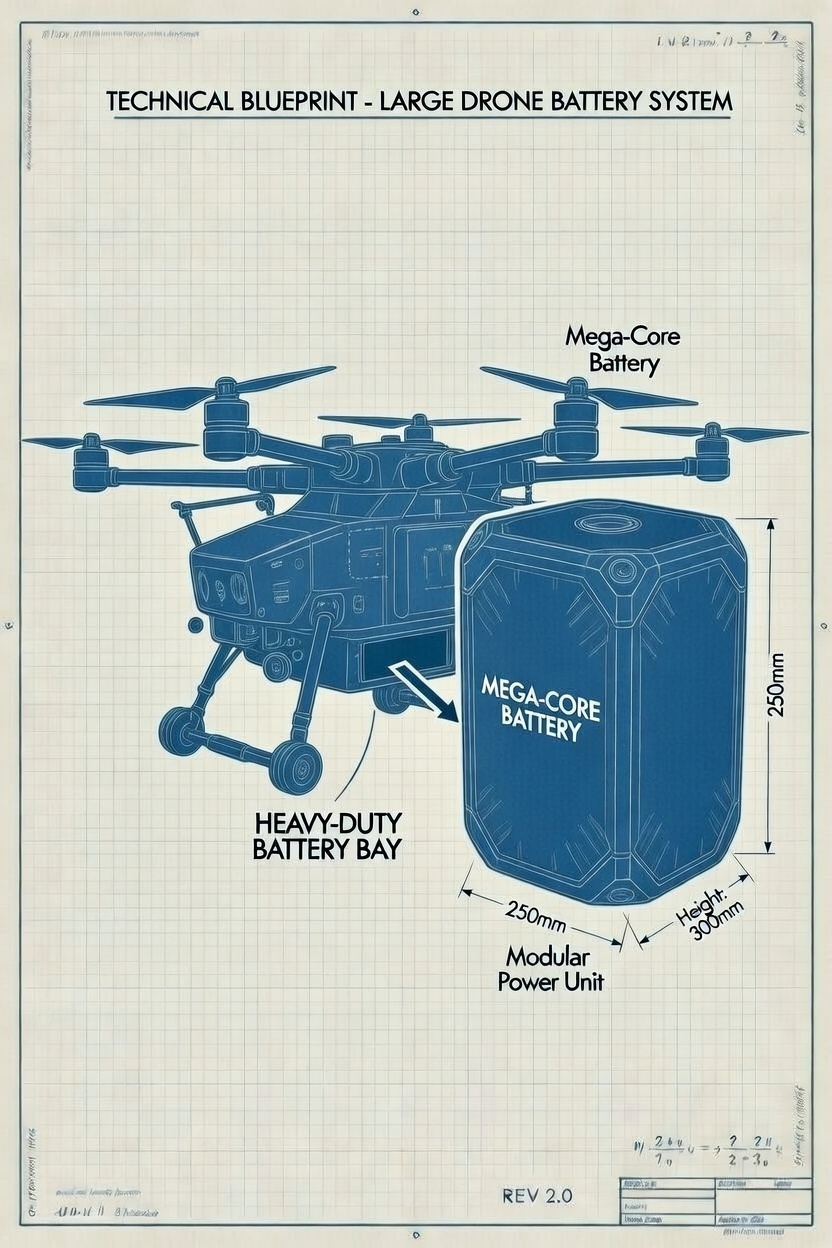
Do this: If off-the-shelf batteries fail compatibility checks, request a custom design. CNS engineers work with you to align battery dimensions, connectors, and thermal profiles with your drone’s exact specs.
Why it works: For a leading agricultural drone client, CNS redesigned a battery to fit a custom payload bay, eliminating connector issues and boosting flight time by 35%. As highlighted in How Solid State Industrial Drone Battery Local Technical Support Will Solve Inconsistent Cell Quality, customization is the ultimate compatibility safeguard.
💡 Summary: Turning Compatibility into Your Competitive Edge
Technical compatibility isn’t a one-time checkbox—it’s the foundation of reliable drone operations. By rigorously evaluating your battery after purchase, you transform potential failures into consistent performance. The benefits?
- Extended Mission Range: 20–35% longer flight times through precise voltage and capacity alignment.
- Zero Safety Incidents: Validated BMS integration prevents thermal runaway (critical for industrial use).
- Cost Efficiency: Avoiding downtime saves $1,200+/incident—plus, CNS’s custom solutions reduce long-term replacement costs by 40%.
CNS isn’t just selling batteries; we’re engineering partnerships. Our B2B-focused approach—backed by 15+ years of global drone battery innovation—ensures every solution is stress-tested for your unique workflow. As seen in our Technology Center articles, compatibility isn’t an afterthought; it’s the core of our engineering ethos.
🚀 Ready to Eliminate Compatibility Risks? Get Your Custom Solution Today
Stop guessing. Start performing. CNS Drone Battery specializes in turning technical challenges into seamless operations—whether you need high-capacity batteries for offshore wind farms, waterproof units for agriculture, or modular designs for logistics. We’ll handle the compatibility validation so you can focus on your mission.
👉 Get Your Free Custom Quote in Minutes
Visit our Contact Page to share your drone model, application, and requirements. Our engineering team will deliver a tailored solution within 72 hours—backed by our 3-year warranty and encrypted data security.
Why wait for a failure? Let CNS ensure your drone battery works as hard as you do.
CNS Drone Battery: Powering the Skies, Empowering Your Missions.
Customized drone battery solutions – Get a free quote!