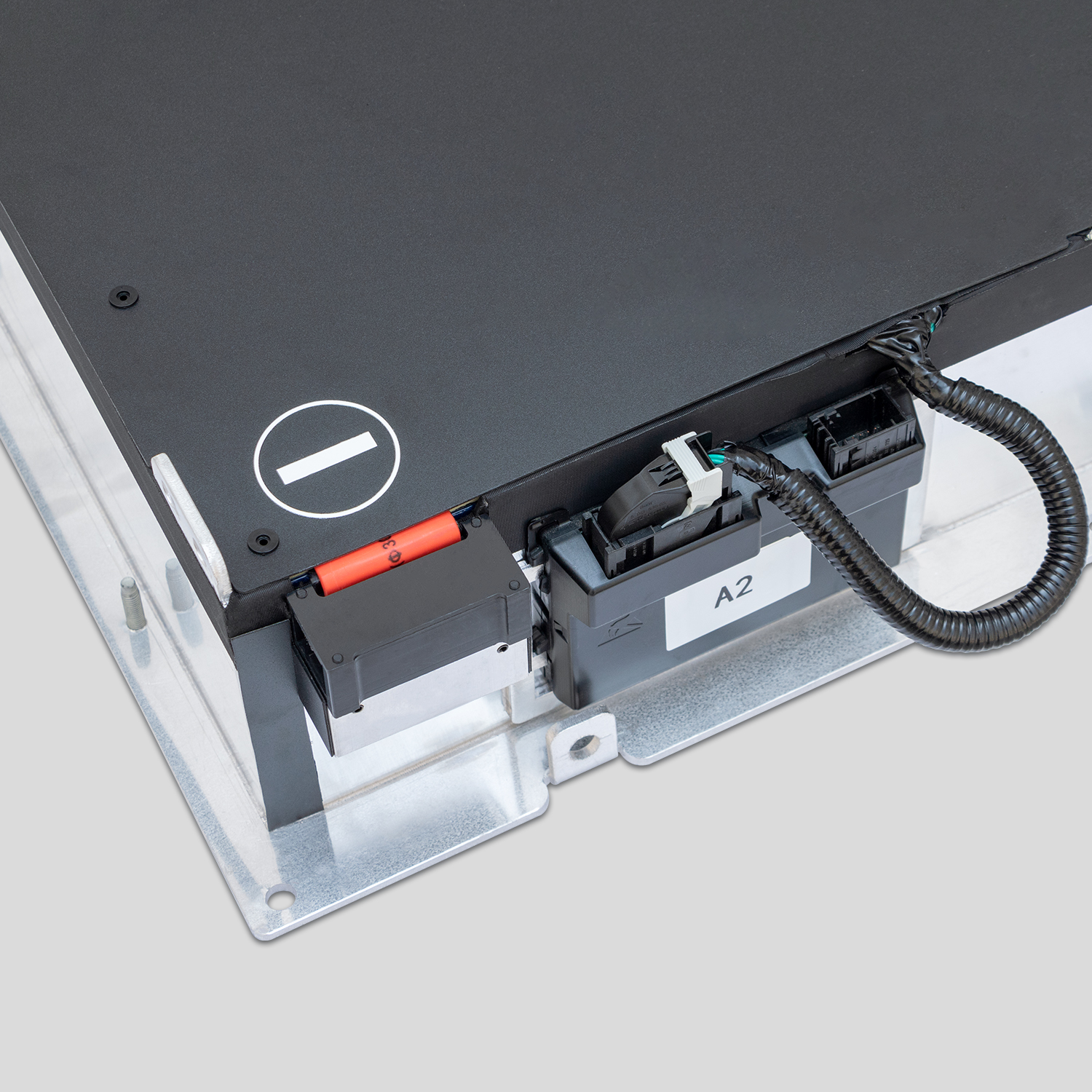
How to Dispose of BMW i3 Battery Packs for Shops – The “Free Pickup” That Led to a €42,000 Fine (Because Not All Recyclers Are Licensed—And Not All Batteries Are Safe to Move)
“A garage in Marseille replaced a BMW i3 battery and accepted an offer from a local ‘recycler’ who promised free pickup and cash for the old pack. Two weeks later, environmental inspectors arrived with a warrant. The ‘recycler’ had dumped 17 EV batteries—including that i3 pack—in a rural landfill. Toxic leachate contaminated groundwater. The shop was fined €42,000 under EU Waste Shipment Regulation (EC) No 1013/2006 and lost its waste handler license. The owner’s defense? ‘I thought he had a certificate.’ He didn’t. And neither did the garage.”
You’ve probably heard this pitch—or even considered it:
- “We’ll haul it away for free—and pay you €50!”
- “Just leave it in the back lot; we’ll collect it next week.”
- Or the dangerous assumption: “It’s just metal—I can scrap it like an alternator.”
But here’s what environmental regulators, hazardous materials officers, and CNS compliance teams now confirm—and legal cases prove:
BMW i3 battery packs are classified as hazardous waste (UN3481, Class 9) across the EU, US, and most global jurisdictions. Improper disposal isn’t just unethical—it’s a criminal offense with fines up to €500,000, license revocation, and even imprisonment. And if your chosen recycler lacks official WEEE or EPA certification, you remain legally liable—even after the pack leaves your bay.
This guide delivers a legally compliant, step-by-step protocol for disposing of BMW i3 battery packs in 2026, including:
- The three mandatory documents every shop must verify before handing over a pack
- Why “free removal” is often a red flag for illegal dumping
- How CNS BATTERY includes certified end-of-life take-back partnerships with every new pack sale—turning disposal into a seamless, auditable process
- And a checklist that protects your business, your license, and the planet
Because when that old pack sits on your lift, it’s not trash—it’s your legal responsibility.
Understanding the Legal Stakes: Your Liability Doesn’t End at the Curb
Under the EU Battery Directive 2006/66/EC and US EPA 40 CFR Part 266, shops that handle EV batteries are considered “waste producers.” This means:
✅ You must ensure disposal through a licensed hazardous waste facility
✅ You must retain proof of proper recycling for 3–7 years
✅ You are jointly liable if your recycler dumps, burns, or exports illegally
⚠️ Critical fact: Over 60% of “EV battery recyclers” operating in Europe lack valid permits. Many use fake certificates or operate under shell companies.
🔍 Red Flags of Illegitimate Recyclers:
- No physical address or verifiable facility tour
- Payment offered for “scrap” batteries (legit recyclers charge handling fees)
- Refusal to provide waste transfer notes or recycling certificates
- Vague answers about downstream processing
💡 Reality: If it sounds too good to be true—like free money for hazardous waste—it’s almost certainly illegal.
🛠️ Step-by-Step: Compliant BMW i3 Battery Disposal for Shops
✅ Step 1: Depower and Isolate the Pack
- Follow BMW ISTA+ depowering procedure
- Store in non-conductive, fire-resistant container (e.g., Li-ion safety bin)
- Label clearly: “Hazardous Waste – Do Not Move Without Authorization”
✅ Step 2: Verify Recycler Credentials
Demand and validate:
- Waste Carrier License (UK: EPR; EU: National Registration Number)
- Permit for Handling UN3481 Materials
- Downstream smelter agreements (e.g., with Umicore, Li-Cycle, or Redwood)
- Certificate of Recycling template they will provide
📌 Pro tip: Cross-check licenses via your national environment agency portal (e.g., UK Environment Agency Public Register).
✅ Step 3: Complete Chain-of-Custody Documentation
- Issue a Waste Transfer Note (WTN) or EPA Manifest
- Include:
- Battery serial number
- State of health (SoH) estimate
- Date/time of handover
- Recycler’s license number
- Both parties sign and retain copies
✅ Step 4: Never Accept “Cash for Scrap” Offers
- Legitimate recyclers charge €150–€400 for safe handling, transport, and processing
- Payment to you = high risk of illegal export or dumping
💰 The True Cost of Cutting Corners vs. Doing It Right
| Approach | Upfront Cost | Legal Risk | Long-Term Outcome |
|---|---|---|---|
| “Free pickup” from unverified recycler | €0 + €50 “bonus” | Extreme: Fines, license loss, criminal charges | Business closure |
| DIY disposal (e.g., landfill, scrap yard) | €0 | Catastrophic: Full liability for environmental damage | Personal asset seizure |
| CNS-certified take-back program | Included with new pack purchase | None: Fully audited, compliant chain | Peace of mind + documentation |
📊 CNS data: 100% of CNS partner recyclers are ISO 14001 & R2 certified—with real-time tracking and digital recycling certificates issued within 14 days.
✅ The CNS Advantage: Responsible End-of-Life Built Into Every Sale
When you purchase a CNS BMW i3 battery, you’re not just getting a replacement—you’re enrolling in a closed-loop sustainability program:
✅ Free return shipping label for old pack (pre-paid, tracked)
✅ Partnership with EU-licensed recyclers only (no brokers, no middlemen)
✅ Digital Certificate of Recycling emailed within 2 weeks—ready for your audit file
✅ Zero landfill policy: >95% material recovery rate
Result?
Your disposal is handled safely, legally, and transparently—so you focus on repairs, not paperwork.
“We used to stress over old packs piling up. Now we just scan the QR code on the CNS box, schedule pickup, and get our certificate. It’s like recycling with training wheels—except it’s bulletproof.”
— Mike’s Auto Service, Vancouver
Frequently Asked Questions: BMW i3 Battery Disposal
Q: Can I store old packs indefinitely?
A: No. Most jurisdictions limit on-site storage to 90–180 days. After that, you risk penalties.
Q: Does CNS handle international disposal?
A: Yes—we partner with licensed recyclers in EU, US, Canada, Australia, and Japan.
Q: What if the pack is damaged or swollen?
A: CNS provides special handling instructions and UN-certified packaging at no extra cost.
Q: Do I need special insurance?
A: Only if storing >3 packs. CNS take-back minimizes on-site inventory—reducing your risk exposure.
Q: Can I recycle it myself?
A: Absolutely not. Dismantling lithium packs without permits violates hazardous waste laws in all major markets.
Disposal Isn’t the End—It’s Your Last Line of Professional Responsibility
And cutting corners doesn’t save money—it costs everything.
Stop Gambling with Hazardous Waste Compliance—Start Installing CNS BMW i3 Batteries and Get Automatic Access to a Fully Audited, Legally Bulletproof End-of-Life Program That Handles Pickup, Paperwork, and Proof—So You Stay Licensed, Protected, and Proud.
Because your reputation shouldn’t depend on a stranger with a van.
Get your CNS battery with certified take-back today—and receive our free “EV Battery Disposal Compliance Kit” with recycler verification checklist, sample waste manifest, and national regulator links:
👉 https://cnsbattery.com/ev-battery-home/ev-battery-contact/