How to Diagnose BMW i3 High Voltage Cable Damage (Pro): The Ultimate Guide to Saving Your EV
Is your BMW i3 suddenly displaying critical high-voltage warnings, refusing to charge, or suffering from unexplained range drops? For many i3 owners, the immediate fear is a catastrophic battery failure requiring a $16,000+ dealership replacement. However, before you condemn your entire battery pack, the culprit might be something more specific and fixable: high voltage cable damage.
As experts at CNS BATTERY, we understand that diagnosing high-voltage issues requires precision, safety, and the right knowledge. This guide will walk you through the professional steps to identify cable degradation, distinguish it from cell failure, and explore cost-effective solutions that can restore your vehicle’s vitality without breaking the bank.
Why High Voltage Cable Damage is the Silent Killer of BMW i3s
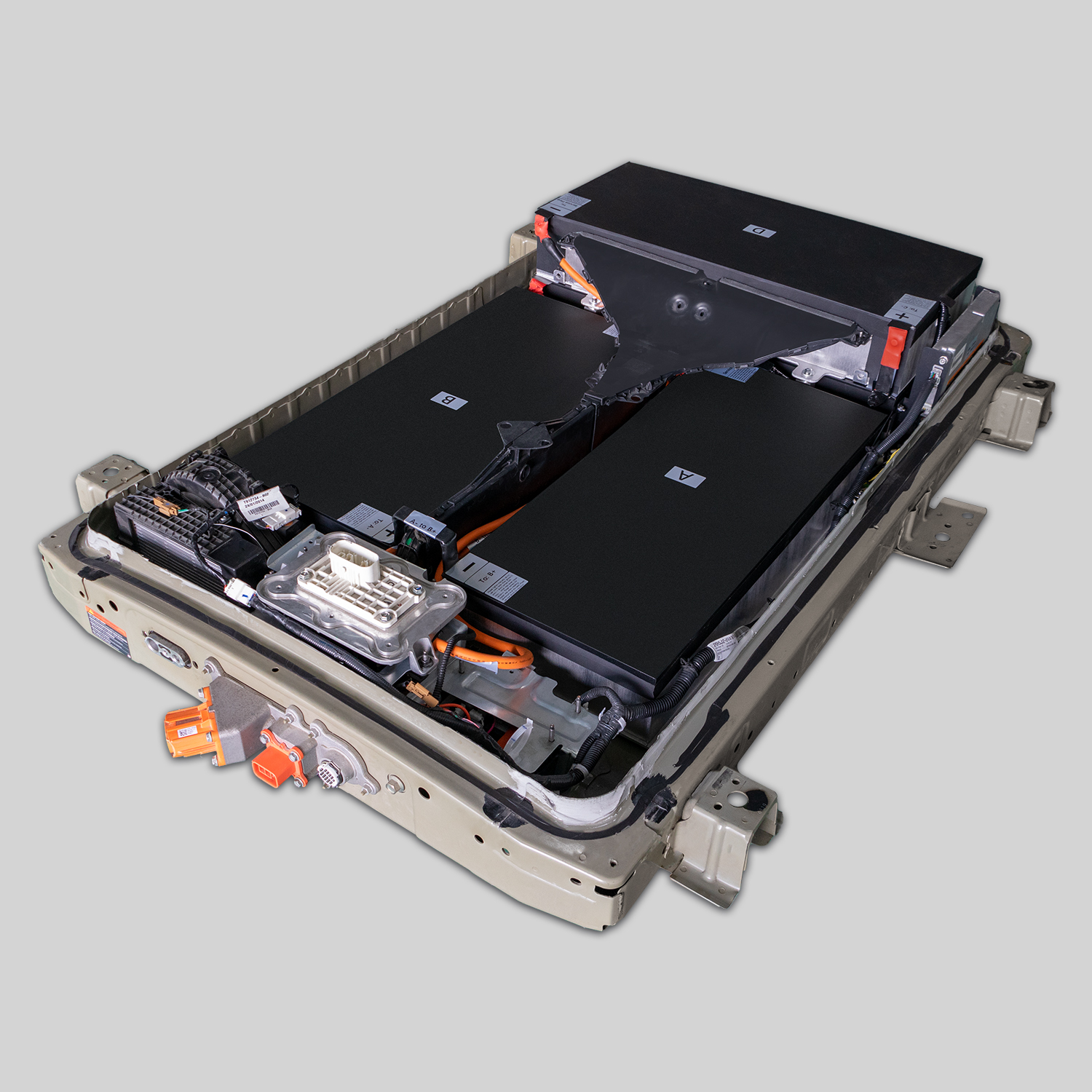
The BMW i3 is a marvel of engineering, but its high-voltage system operates under immense stress. The orange cables connecting your battery modules carry hundreds of volts. Over time, heat cycles, vibration, and environmental exposure can compromise their integrity.
Ignoring these signs can lead to:
- Thermal Runaway Risks: Damaged insulation can cause short circuits.
- System Shutdowns: The Battery Management System (BMS) will disable the car to prevent fire.
- Unnecessary Battery Replacement: Many owners replace the whole pack when only a cable or a single module needs attention.
Identifying the root cause early is not just about saving money; it’s about safety.
Step-by-Step: Professional Diagnosis of HV Cable Issues
Diagnosing high-voltage components requires strict adherence to safety protocols. Never attempt this without proper insulated tools (CAT III/IV) and personal protective equipment (PPE).
1. Visual Inspection: The First Line of Defense
Before touching any multimeter, perform a thorough visual check of the orange high-voltage cabling running from the battery pack to the motor and charging port.
- Look for Discoloration: Brownish or blackened spots on the orange insulation indicate overheating.
- Check for Physical Wear: Rubbing against the chassis, cracked insulation, or pinched sections are common in older i3s.
- Inspect Connectors: Look for signs of arcing, melting, or corrosion on the high-voltage interlock loop (HVIL) connectors.
2. Diagnostic Trouble Codes (DTCs)
Use a professional OBDII scanner capable of reading BMW-specific high-voltage codes. Generic scanners often miss the nuance of HV faults.
- Key Codes to Watch: Look for codes related to “High Voltage Interlock Loop,” “Insulation Resistance Fault,” or specific module communication errors.
- Interpretation: If the code points to an insulation fault in a specific circuit rather than a cell voltage imbalance, the cable is the prime suspect.
3. Insulation Resistance Testing
This is the definitive pro test. Using a megohmmeter (Megger), technicians measure the resistance between the high-voltage conductors and the vehicle chassis.
- The Standard: A healthy system should show resistance in the mega-ohm range (often >500 kΩ or higher depending on specific BMW standards).
- The Failure: A low reading confirms that the insulation has broken down, allowing current to leak to the chassis. This triggers the “Drivetrain Malfunction” warning.
4. Voltage Drop Analysis
If the cables look fine visually but the car struggles under load, perform a voltage drop test across the cable segments while the system is active (safely). Excessive resistance in the cable causes voltage drops, leading to power loss and efficiency issues.
When Diagnosis Reveals More Than Just Cables
Sometimes, cable damage is a symptom, not the cause. Overheating cables can damage the battery modules they connect to. If your diagnosis reveals that the high-voltage fault has compromised the internal cells or the Busbars within the pack, simply replacing the cable won’t fix the range anxiety or performance issues.
This is where many owners face a dilemma: The dealership will quote upwards of $16,000 for a brand-new OEM battery pack. But is there a smarter way?
The Smart Alternative: Upgrading with CNS BATTERY
If your diagnosis confirms that your battery modules are degraded or damaged alongside the cables, you don’t need to buy a new car or pay dealer prices. CNS BATTERY offers a superior alternative tailored for the BMW i3.
Why Choose CNS BATTERY for Your i3?
- Brand New CATL Cells: Unlike refurbished packs filled with aged cells, our 45kWh, 50kWh, and 62kWh modules use brand-new ternary lithium cells from CATL, the world’s leading battery manufacturer.
- Massive Cost Savings: Our solutions cost approximately 50% less than OEM dealership replacements. Imagine restoring your i3’s range for roughly $7,800 – $8,200 instead of $16,000.
- Extended Range: Upgrade from a depleted 60Ah or 94Ah equivalent to a 62kWh system, pushing your real-world range to nearly 300km (186 miles) or more, depending on conditions.
- Plug-and-Play Simplicity: Our battery packs are designed for direct compatibility. If you are replacing modules, the process involves connecting just 6 power lines and 1 signal line, making installation straightforward for professionals.
Real-World Success
Take Lisa from Berlin, who faced a €12,000 dealer quote for her 2017 BMW i3. She switched to a CNS BATTERY 45kWh kit. With remote video guidance from our engineers, she resolved wiring connections quickly. The result? Her range jumped from 180km to 290km, and she saved thousands while securing a 2-year/80,000 km warranty.
Benefits of Addressing HV Issues Immediately
Delaying repairs on high-voltage cables or degraded batteries is a gamble you cannot afford.
- Safety First: Eliminate the risk of electrical fires caused by compromised insulation.
- Restore Reliability: Say goodbye to unexpected “Drivetrain Malfunction” errors leaving you stranded.
- Maximize Resale Value: A documented battery upgrade or repair with high-quality components significantly boosts your i3’s market value.
- Eco-Friendly Choice: Extending the life of your vehicle with high-efficiency new cells reduces electronic waste compared to scrapping the car.
Ready to Revive Your BMW i3?
Don’t let high-voltage cable warnings or battery degradation spell the end for your electric journey. Whether you need to diagnose a complex cable fault or replace your entire battery system with a high-performance, cost-effective solution, CNS BATTERY is your trusted partner.
Our team provides free compatibility assessments (just provide your VIN), detailed installation videos, and lifelong technical support. We ensure you get the right fit—whether it’s a 45kWh, 50kWh, or 62kWh upgrade—delivered safely to your door.
Stop overpaying for OEM replacements. Restore your range and confidence today.
👉 Contact Our Experts Now for a Free Custom Quote
Frequently Asked Questions (FAQ)
Q1: Can I drive my BMW i3 if I suspect high voltage cable damage?
No. Driving with suspected HV cable damage is extremely dangerous. It poses a severe risk of electric shock, fire, and sudden vehicle shutdown. Have the vehicle towed to a qualified specialist immediately.
Q2: How much does a BMW i3 battery replacement cost with CNS BATTERY?
While prices vary based on capacity (45kWh, 50kWh, 62kWh), our solutions typically cost around 50% less than OEM dealerships. Most customers spend between $7,800 and $8,200 USD for a complete upgrade, including shipping and new CATL cells.
Q3: Does CNS BATTERY offer a warranty on their i3 batteries?
Yes. We provide a robust 2-year or 80,000 km warranty (whichever comes first). This covers manufacturing defects and ensures that the capacity remains stable (not dropping below 9 bars out of 12 after a full charge within the warranty period).
Q4: Is it difficult to install a CNS BATTERY module vs. a full pack?
If you purchase a complete battery pack, it is largely plug-and-play. If you opt for individual modules to replace damaged ones, the installation requires connecting 6 power lines and 1 signal line. We provide detailed video tutorials and wiring harnesses. However, due to the high voltages involved, we recommend installation by a certified EV technician unless you have advanced DIY skills.
Q5: How do I know if I need a new cable or a new battery?
A professional diagnostic scan and insulation resistance test are required. If the error codes point to insulation faults and visual inspection shows cable wear, a cable replacement may suffice. However, if the BMS reports cell imbalance, low capacity, or if the cables melted due to internal module failure, a battery upgrade with CNS BATTERY is the most reliable long-term solution.
Q6: Do you ship internationally?
Yes, we ship globally via sea freight (4-8 weeks) or express couriers like DHL/FedEx for urgent needs (3-8 business days). All batteries are shipped in fumigation-free wooden packaging to ensure safety during transit.