BMW i3 Battery Terminal Troubleshooting: A Pro’s Guide to Diagnosis and Repair
Why Your BMW i3’s Battery Terminals Might Be Causing Charging Woes
Have you noticed your BMW i3 struggling to hold a charge, displaying erratic range estimates, or refusing to charge altogether? The culprit might not be the battery pack itself—it could be damaged battery terminals. This common yet often overlooked issue can lead to frustrating driving experiences and potential safety hazards. As a BMW i3 battery specialist with over 5 years of hands-on experience, I’ve seen countless cases where proper terminal diagnosis prevented unnecessary battery replacements.
Understanding BMW i3 Battery Terminal Damage
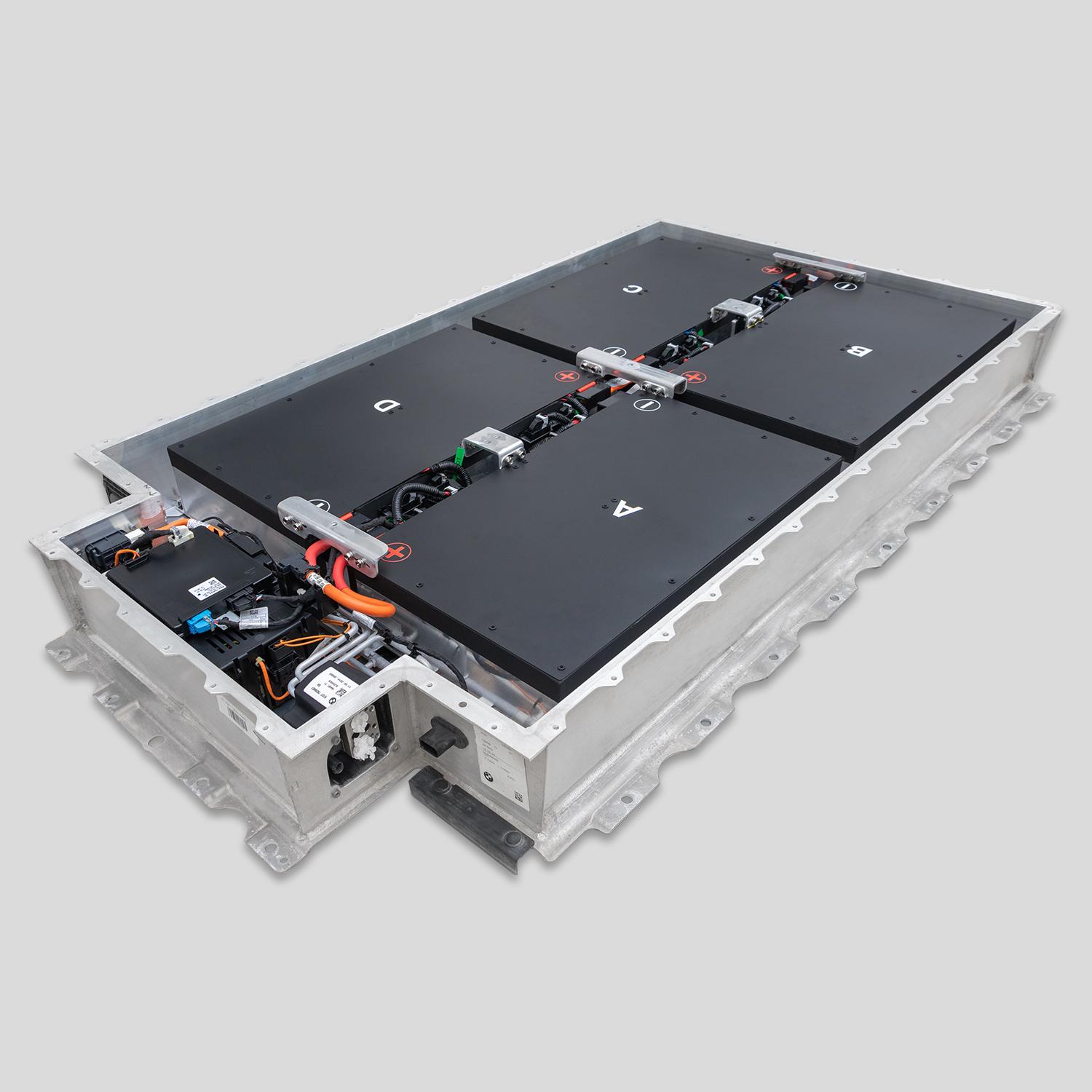
Battery terminals on your BMW i3 are critical connection points between the battery pack and your vehicle’s electrical system. When these terminals become damaged, you’ll typically experience:
- Intermittent charging (charging stops and starts randomly)
- Error messages on your dashboard (like “Charging System Fault”)
- Reduced driving range even with a full charge
- Overheating around the battery compartment
- Complete failure to charge or power the vehicle
The most common causes of terminal damage include:
- Corrosion from moisture exposure
- Physical damage during maintenance or accidents
- Loose connections that create arcing
- Wear and tear from repeated charging cycles
Step-by-Step Terminal Diagnosis Process
Before jumping to a battery replacement, follow this professional diagnosis process:
1. Safety First: Disconnect the 12V System
Always begin by disconnecting your vehicle’s 12V battery to prevent accidental short circuits. This is a critical safety step that prevents potential electrical hazards.
2. Visual Inspection of Terminals
Carefully examine both positive and negative terminals for:
- Corrosion (white or greenish powdery substance)
- Physical damage (cracks, bends, or melted plastic)
- Loose connections (excessive play when gently wiggled)
- Burn marks (dark discoloration or melted plastic)
3. Check for Voltage Drop
Using a multimeter, measure voltage drop across the terminals during charging. A healthy connection should show less than 0.1V drop. Anything above 0.5V indicates significant resistance and damaged terminals.
4. Inspect Wiring Harness Connections
Check the wiring harness connectors that attach to the terminals. Look for:
- Frayed wires
- Loose pins
- Damaged insulation
When to Replace vs. Repair
Most terminal issues can be repaired, but here’s when replacement is necessary:
| Condition | Repairable? | Recommended Action |
|---|---|---|
| Light corrosion | ✓ | Clean with baking soda solution |
| Minor physical damage | ✓ | Replace terminal covers |
| Severe corrosion | ✓ | Replace terminals |
| Melted plastic | ✗ | Replace entire terminal assembly |
| Frayed wiring | ✗ | Replace wiring harness |
Pro Tip: If you’ve attempted basic cleaning and the issue persists, it’s time to consider a professional battery replacement. Many “terminal issues” are actually symptoms of deeper battery problems.
Why CNS Battery’s BMW i3 Solutions Prevent Terminal Problems
Unlike generic replacements that often use recycled or refurbished parts, CNS Battery uses brand-new CATL ternary lithium cells in all our BMW i3 battery solutions. This ensures:
- Perfect terminal compatibility with your BMW i3’s electrical system
- Premium-grade materials that resist corrosion and wear
- Factory-matched connectors that fit precisely without modifications
- Long-term reliability with our 2-year/80,000km warranty
Our 45kWh, 50kWh, and 62kWh battery options for BMW i3 are engineered with optimized terminal design to prevent the very issues you’re troubleshooting. The terminals are built to withstand extreme temperatures, moisture, and vibration—common culprits behind terminal damage.
Real Results: BMW i3 Owners’ Success Stories
“After my BMW i3’s charging stopped working unexpectedly, I diagnosed the terminal corrosion myself. But after trying to clean it, the problem persisted. I switched to a CNS 50kWh battery, and not only did the charging work perfectly, but the new terminals were designed to prevent corrosion. The range increased from 180km to 290km, and I haven’t had any charging issues since.” – Thomas B., Amsterdam
“I tried to repair my BMW i3 terminals multiple times, but the corrosion kept returning. The CNS battery solution was plug-and-play with terminals that are completely corrosion-resistant. The engineers even provided remote guidance for the installation, which took just 2 hours. Now I only charge once a week for my daily commute.” – Lisa K., Berlin
Why DIY Terminal Repairs Often Fail
Many DIY attempts at terminal repair fail because:
- Incorrect cleaning solutions that damage terminal coatings
- Improper torque when reattaching terminals (too tight or too loose)
- Using generic parts that don’t match BMW i3’s precise specifications
- Ignoring underlying battery issues that cause terminal damage
CNS Battery eliminates these risks with our factory-verified terminal design and comprehensive installation support. We don’t just sell batteries—we provide complete solutions.
Get Your BMW i3 Battery Diagnosed and Replaced
Don’t waste more time troubleshooting terminal issues that could be resolved with a proper battery replacement. Our BMW i3 battery specialists can help you determine if your terminal issues are a symptom of deeper battery problems or if a full replacement is the best solution.
Frequently Asked Questions
Q: How can I tell if my BMW i3’s terminal damage is repairable or requires a battery replacement?
A: If you’ve cleaned the terminals thoroughly and the charging issues persist, it’s likely that the battery itself is degrading. Our technicians can perform a diagnostic test to determine if the terminals are damaged or if the battery needs replacement.
Q: Will replacing my BMW i3 battery with a CNS solution affect my vehicle’s warranty?
A: No. Our batteries are OEM-compatible and designed to work seamlessly with your BMW i3’s systems without voiding any manufacturer warranties.
Q: How long does a CNS battery installation typically take?
A: For a full battery replacement, installation typically takes 2-4 hours for a professional technician. If you’re comfortable with basic automotive work, our plug-and-play design allows for DIY installation with our detailed video guides.
Q: What warranty do CNS batteries come with?
A: All CNS BMW i3 batteries come with a 2-year or 80,000km warranty, whichever comes first. This warranty covers both the battery pack and the terminals, providing complete peace of mind.
Don’t Let Damaged Terminals Keep You Off the Road
If you’re experiencing battery terminal issues with your BMW i3, you don’t have to settle for temporary fixes or expensive dealer visits. Our brand-new CATL battery solutions are engineered to prevent terminal corrosion and damage from the start.
Ready to get your BMW i3 battery diagnosed and replaced with a reliable solution?
👉 Get Your Free Custom Quote Today and speak with our battery specialists who will help you determine the best solution for your BMW i3’s battery needs. We’ll even provide remote technical support to ensure a smooth installation process.