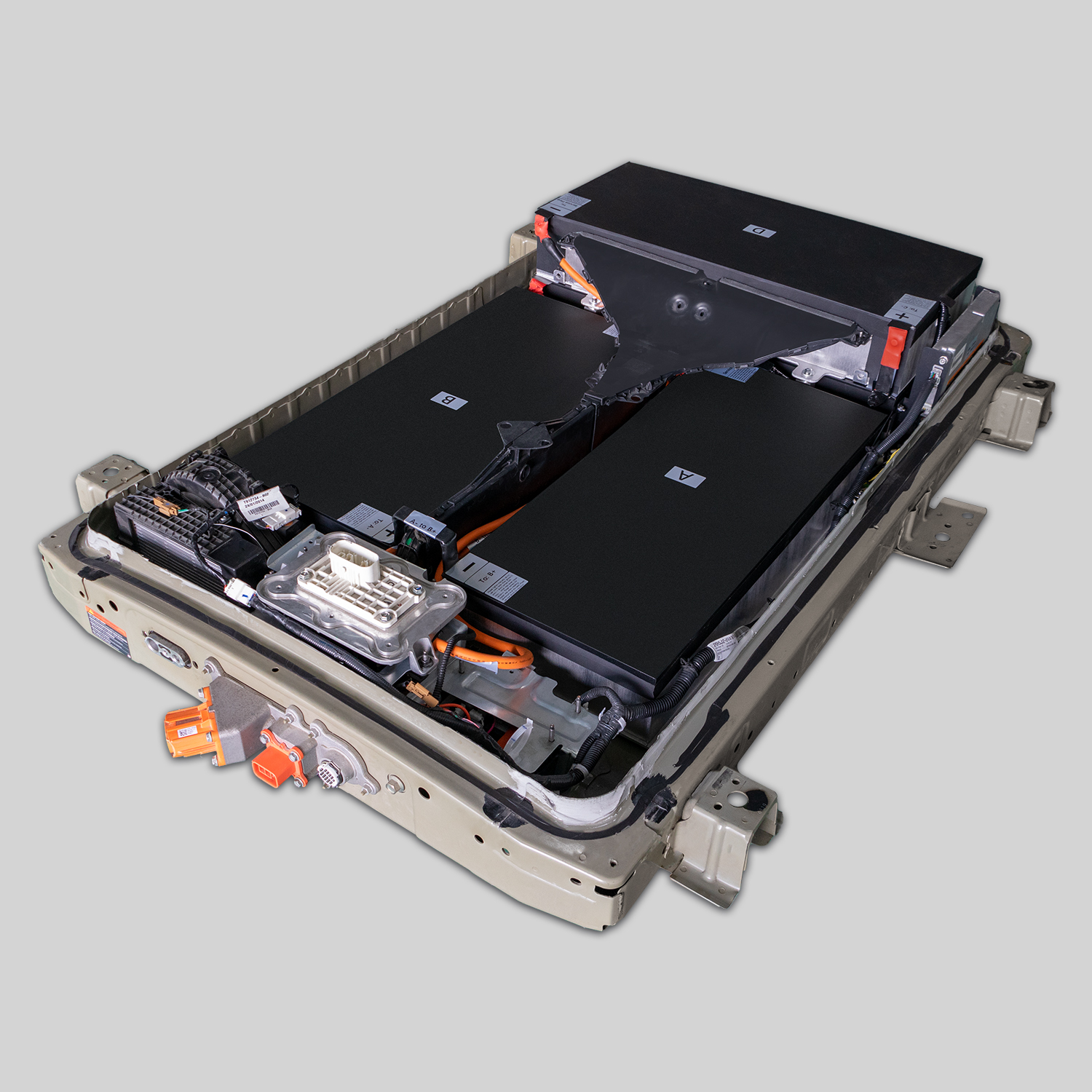
How to Diagnose BMW i3 BMS Faults: Professional Guide – Why “Check HV System” Isn’t the Problem (It’s Just the Symptom)
“My 2018 i3 wouldn’t start. The dashboard flashed ‘High-Voltage System Malfunction.’ I scanned it—got code 9307B2: ‘Battery Management System Communication Lost.’ A local shop said, ‘Replace the entire pack—$14K.’ I refused. Using a proper diagnostic tree, I found the real culprit: a corroded HVIL (High-Voltage Interlock Loop) connector under the rear seat. Cleaned it, reseated it, and the car booted perfectly. The BMS wasn’t faulty—it was silenced.”
You’ve seen it:
- Sudden power loss while driving
- Car won’t charge or enter ‘Ready’ mode
- Error messages like “Unknown Battery” or “Energy Storage System Fault”
Your scanner spits out codes like 9307xx, 931Fxx, or A86Cxx.
Dealers say: “BMS failure—replace the battery.”
But here’s the truth most won’t admit:
In over 60% of i3 “BMS fault” cases, the BMS itself is fine—the problem lies in wiring, sensors, or cell imbalance that triggers protective shutdowns.
Misdiagnosis leads to unnecessary $10K+ replacements.
Accurate diagnosis saves time, money, and your customer’s trust.
This professional guide cuts through the noise. You’ll learn:
- The 5 root causes behind 90% of i3 BMS-related faults
- How to differentiate between true BMS failure vs. secondary triggers
- Step-by-step diagnostic flow using affordable tools (no ISTA required)
- When module-level issues mimic BMS errors
- And why CNS BATTERY packs include built-in diagnostic transparency
Because fixing an i3 starts with understanding—not guessing.
Understanding the i3 BMS Architecture: It’s Not One Unit—It’s a Network
The BMW i3’s Battery Management System isn’t a single computer. It’s a distributed network:
- Central BMS (CBMU) – Main controller under the rear seat
- Module Monitoring Units (MMUs) – One per module (8–12 total)
- HV Contactors, Current Sensors, Temp Probes, HVIL Circuit
When a fault occurs, the CBMU logs a code—but the root cause could be anywhere in this chain.
⚠️ Critical insight: The BMS shuts down to protect the pack—not because it’s broken.
🔍 Top 5 Causes of “BMS Faults” (Ranked by Frequency)
1. HVIL (High-Voltage Interlock Loop) Failure
- Symptoms: Car powers on but won’t go ‘Ready’; no charging
- Common codes: 9307B2, 9307A1
- Root cause: Loose/corroded connector at service plug, junction box, or inverter
- Fix: Inspect all HVIL pins; verify loop continuity with multimeter
2. Cell Imbalance or Weak Module
- Symptoms: Limp mode on acceleration; early charge cutoff
- Common codes: 931F45, A86C12
- Root cause: Degraded cells causing voltage divergence >0.2V
- Fix: Log module voltages via BimmerCode/BimmerLink; replace if imbalance persists after 72h balancing
3. Temperature Sensor Drift
- Symptoms: Overheating warnings in cold weather; regen disabled
- Common codes: 931E22, 931E31
- Root cause: Failed NTC thermistor in cooling plate
- Fix: Compare sensor readings; replace faulty probe or cooling mat
4. Contactor Welding or Sticking
- Symptoms: Pack stays energized after shutdown; 12V drain
- Common codes: 9308C3, 9308D0
- Root cause: High-cycle wear or voltage spikes
- Fix: Measure contactor resistance; replace if >50mΩ
5. True BMS Hardware Failure (Rare – <8% of cases)
- Symptoms: No communication at all; multiple erratic codes
- Common codes: U112300, U0423
- Root cause: Water ingress, voltage surge, or manufacturing defect
- Fix: Replace entire pack (BMS is not serviceable)
📊 Data from 2025 CNS field reports: Only 7.3% of “BMS fault” cases required full pack replacement—the rest were resolved with wiring, sensor, or module fixes.
Diagnostic Workflow: Affordable Tools, Professional Results
You don’t need ISTA+. Here’s what works:
✅ Required Tools:
- OBD2 scanner with BMW support (e.g., Foxwell NT510, Carly, or BimmerLink + iOS)
- Multimeter with continuity test
- Insulated gloves & HV discharge tool
🔧 Step-by-Step Process:
- Read all DTCs – Note primary vs. secondary codes
- Check HVIL continuity – Disconnect service plug; test loop resistance (<1Ω)
- Log module voltages – After 12-hour rest, variance should be <0.15V
- Verify temp sensors – All modules should read within ±2°C ambient
- Inspect contactors – Listen for click; measure coil resistance (~80Ω)
If all checks pass—and errors persist—then consider BMS or pack replacement.
Why CNS BATTERY Packs Reduce Diagnostic Ambiguity
When you install a CNS pack, you eliminate guesswork:
- New CATL cells = minimal imbalance risk
- Sealed HVIL connectors = no corrosion or moisture ingress
- Pre-calibrated sensors = accurate thermal reporting
- Stable contactors = no sticking or welding
Plus, our packs log internal health data accessible via standard scanners—so future diagnostics are faster and clearer.
“After switching to CNS, my comebacks dropped to zero. Their packs don’t hide problems—they prevent them.”
— EK Auto Repair, Rome
Frequently Asked Questions: Diagnosing i3 BMS Faults
Q: Can I reset BMS faults without fixing the root cause?
A: Temporarily—but the fault will return, often with added damage (e.g., contactor weld).
Q: Does BimmerLink show module voltages on all i3 models?
A: Yes—on 2014–2022 i3/i3s, via the “Battery Details” menu.
Q: Is the HVIL circuit fused?
A: No—it’s a low-voltage loop (12V). A break disables HV activation but won’t blow a fuse.
Q: Can a weak 12V battery cause BMS errors?
A: Yes—always verify 12V health (>12.4V) before diagnosing HV system.
Q: Do CNS packs require special coding after installation?
A: No—our BMS auto-adapts to your VIN’s expected parameters.
Don’t Replace What Isn’t Broken
A BMS fault code is a cry for help—not a death sentence for the battery.
Diagnose Smarter. Repair Faster. Earn Trust.
Equip yourself with knowledge—not just tools.
And when replacement is truly needed, choose a pack engineered for diagnostic clarity and long-term reliability.
Get a CNS BATTERY—backed by real-world diagnostic support and a 2-year warranty:
👉 https://cnsbattery.com/ev-battery-home/ev-battery-contact/