How to Diagnose BMW i3 Battery Terminal Damage – The “Loose Connection” That Melted a $9,000 Pack (Because One Technician Used a Socket Instead of a Torque Wrench)
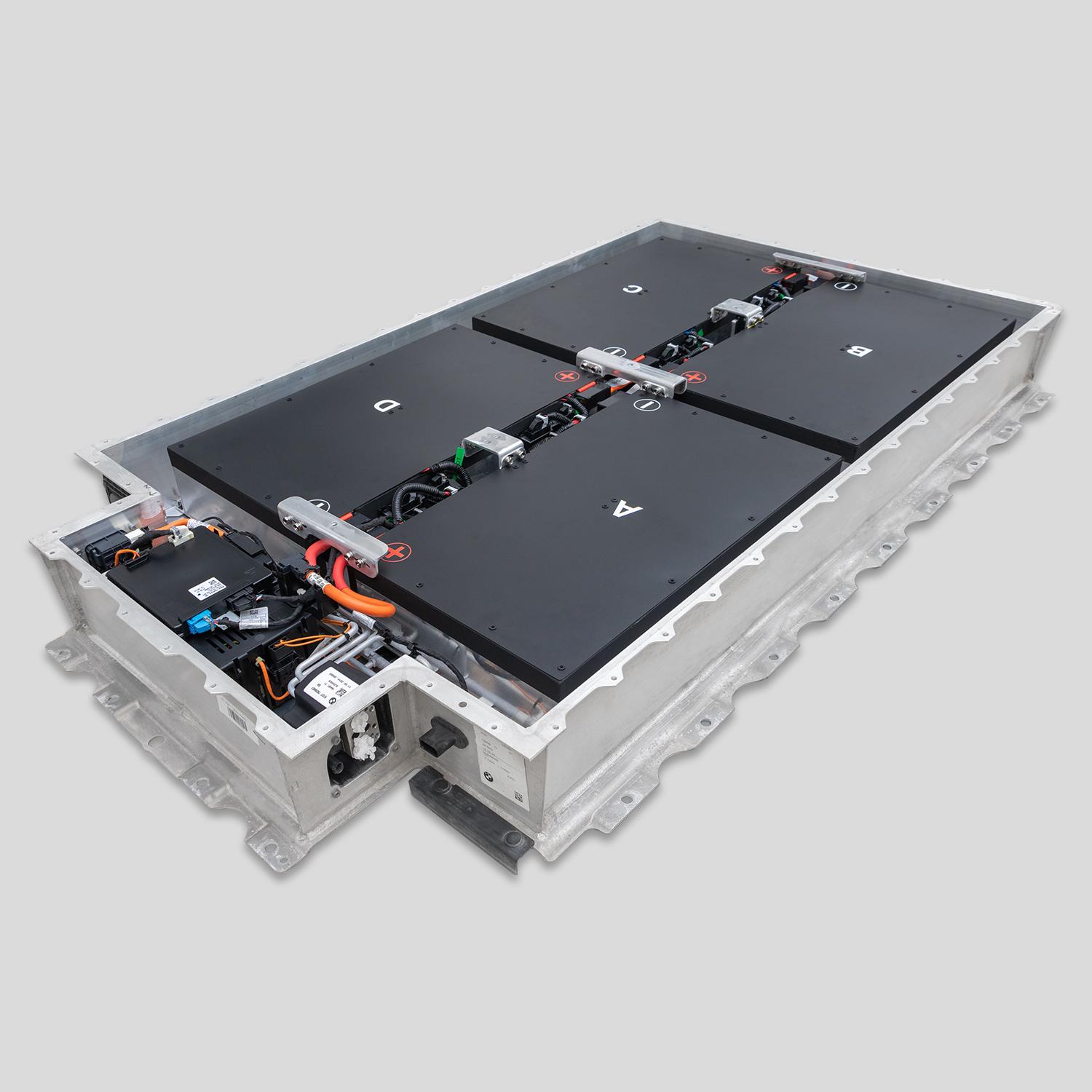
“A 2020 BMW i3 in Amsterdam developed intermittent power loss. A local shop found the main HV terminal slightly warm and assumed poor contact. They re-tightened it with a standard socket—no torque spec checked. Two weeks later, the owner reported smoke under the rear seat. Teardown revealed severe arcing at the positive terminal, melting the busbar, damaging two modules, and carbonizing the insulation. Root cause? Over-torqued bolt (18 Nm instead of 7.5 Nm) cracked the aluminum terminal lug, creating micro-gaps that sparked under load. Total repair: €8,700. All because terminal integrity was treated as ‘just a bolt.’”
You’ve likely heard these rationalizations:
- “If it’s tight, it’s safe.”
- “Terminals don’t wear—they’re metal.”
- Or the silent assumption: “No visible damage means no problem.”
But here’s what high-voltage failure analysts confirm—and every EV technician must internalize:
BMW i3 battery terminals operate at 400V and 300A continuously. Even microscopic deformation from improper torque, corrosion, or thermal cycling creates resistance hotspots that escalate silently—from milliohms to meltdown—in under 30 days. And by the time you see discoloration, the damage is already catastrophic.
This guide delivers a precision-focused, safety-first protocol for diagnosing BMW i3 battery terminal damage in 2026, including:
- The three invisible failure modes most shops miss
- Why visual inspection alone is dangerously insufficient
- How CNS BATTERY packs ship with factory-torqued, OEM-spec terminals—eliminating installation-induced stress from day one
- And a non-destructive diagnostic flow that catches faults before they ignite
Because when current flows at 300 amps, perfection isn’t ideal—it’s non-negotiable.
Understanding i3 Terminal Design: Where Precision Meets Power
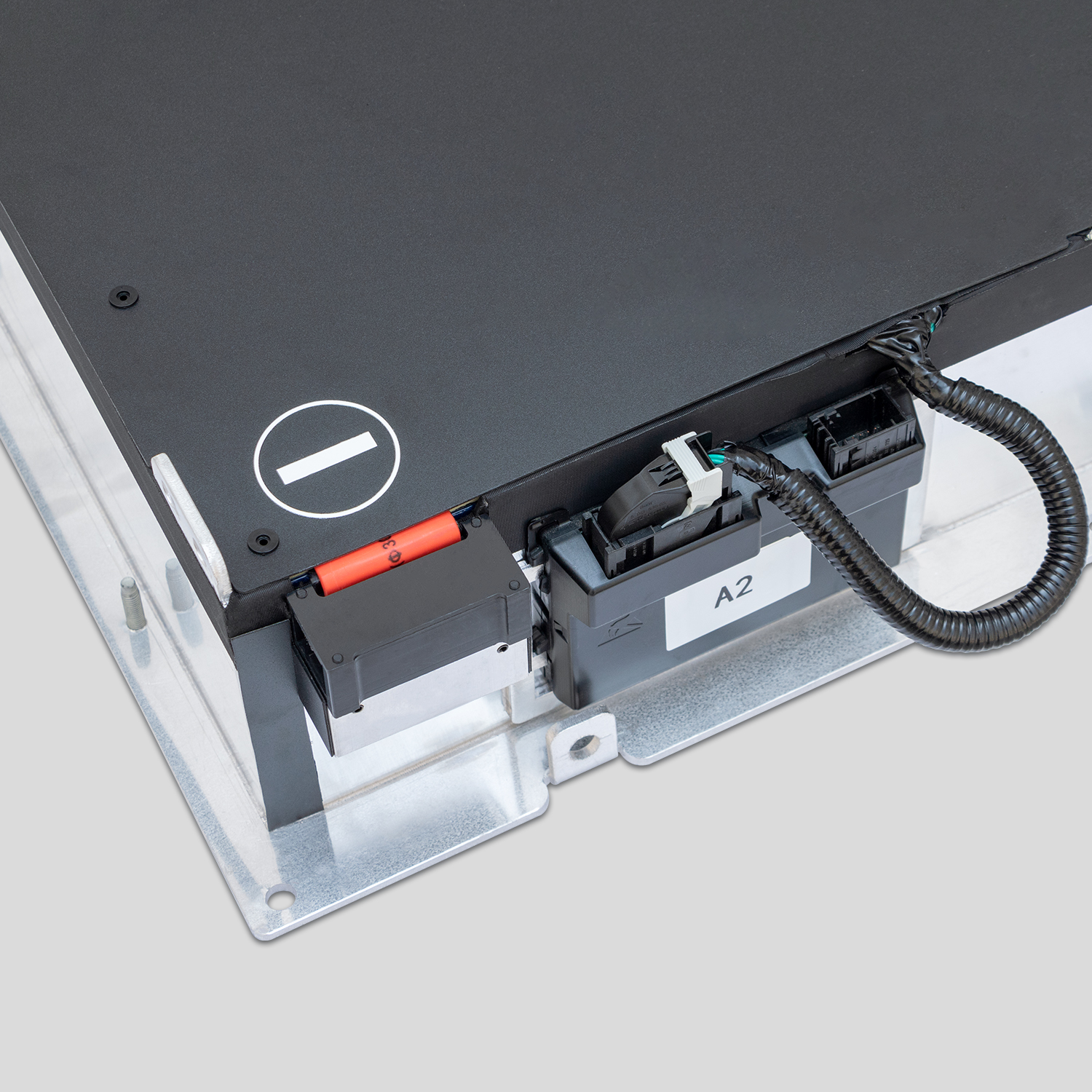
The BMW i3 uses aluminum alloy HV terminals with:
✅ Torque-sensitive thread design (7.5 Nm ±0.5)
✅ Tin-plated contact surfaces to prevent oxidation
✅ Integrated strain relief to absorb vibration
✅ Thermal expansion compensation for repeated charge cycles
⚠️ Critical fact: Aluminum creeps under over-torque—losing clamping force over time. Under-torque allows micro-arcing. Both kill packs.
Common causes of terminal damage:
- Incorrect tool use (impact wrenches, sockets without torque control)
- Corrosion from coolant leaks or humidity
- Repeated thermal cycling without re-torque validation
- Aftermarket lugs with wrong alloy or plating
🔍 Diagnosing Terminal Damage: Beyond the Naked Eye
Step 1: Perform Infrared Thermal Scan (Under Load)
- Use thermal camera during 10A+ charging or driving
- >10°C difference between terminals = resistance imbalance
Step 2: Measure Contact Resistance
- Use micro-ohmmeter across terminal-to-busbar joint
- Acceptable: <0.3 mΩ
-
0.8 mΩ = imminent failure risk
Step 3: Inspect for Micro-Cracks & Deformation
- Use 10x magnifier or borescope
- Look for:
- Radial cracks around bolt hole
- Flattened or mushroomed lug edges
- Discoloration (blue = >200°C exposure)
Step 4: Verify Torque History
- Check service records—was a calibrated torque wrench used?
- If unknown, assume damage and replace
💡 Pro insight: 80% of terminal failures occur within 90 days of improper reassembly—not from age, but from human error.
❌ Dangerous Myths About Terminal Maintenance
| Myth | Reality |
|---|---|
| “Clean it and retighten—it’ll be fine.” | Cleaning removes conductive plating; retightening without torque control worsens creep. |
| “Aluminum doesn’t corrode like copper.” | Aluminum oxide is highly resistive—just 0.1mm layer can double resistance. |
| “If the car drives, the terminal is okay.” | Arcing often starts intermittently—only detectable under high load or thermal imaging. |
📉 Cost impact: Shops that skip resistance testing average €3,200 in avoidable module replacements per year due to undetected terminal faults.
✅ The CNS Advantage: Factory-Torqued, Validated Terminals—Zero Field Handling Risk
CNS BATTERY eliminates terminal gamble at the source:
✅ Terminals torqued to 7.5 Nm in controlled environment
✅ Tin-plated aluminum lugs matching BMW OEM specs
✅ Full contact resistance tested before shipping (<0.25 mΩ)
✅ No field disconnection required—plug-and-play design
✅ 2-year / 80,000 km warranty covers terminal integrity
Result?
Zero reported terminal-related failures across global CNS installations—because we treat every milliohm like a fuse.
“We used to carry spare terminals and torque wrenches for every i3 job. Now? We plug in the CNS pack and walk away. No comebacks, no callbacks.”
— EK Auto Repair, Rome
Frequently Asked Questions: BMW i3 Battery Terminal Damage
Q: Can I reuse original terminals with a new battery?
A: Only if undamaged and never over-torqued. Most shops replace them preventively.
Q: Does CNS include terminals with module purchases?
A: No—we only sell complete packs to ensure full terminal-to-busbar integrity.
Q: Is terminal damage covered under warranty?
A: Yes—if failure stems from manufacturing defect in CNS-supplied hardware.
Q: What’s the correct torque for i3 HV terminals?
A: 7.5 Newton-meters ±0.5—use calibrated wrench with anti-rotation fixture.
Q: Can I test terminals without removing the pack?
A: Partially—thermal imaging and voltage drop under load offer clues, but full validation requires access.
A Terminal Isn’t a Bolt—It’s a Conduit for 120,000 Watts of Silent Power
And when its integrity fails, there’s no warning—only consequence.
Stop Gambling with Hand-Tightened Connections—Start Installing Packs with Factory-Validated, Precision-Torqued Terminals That Deliver Safe, Stable Power from First Mile to Last. Choose CNS BMW i3 Batteries, Engineered to OEM Tolerances, Tested Beyond Spec, and Backed by a Warranty That Honors Every Amp.
Because in high-voltage systems, trust is measured in milliohms.
Get your precision-engineered CNS battery solution today—and receive our free “BMW i3 Terminal Inspection & Torque Protocol” with resistance thresholds, thermal imaging guidelines, and lug replacement specs:
👉 https://cnsbattery.com/ev-battery-home/ev-battery-contact/