How to Diagnose BMW i3 Battery Module Failure – The “Healthy Pack” That Shut Down Because One Module Was Lying (And Why Voltage Alone Misses the Real Culprit)
“A technician in Amsterdam scanned a 2017 BMW i3 showing ‘Reduced Output’ and saw all 12 capacity bars. Total pack voltage: 386V—within spec. He declared the battery healthy and blamed the inverter. But during a road test, the car cut power at 50 km/h. A deeper log revealed Module 5 voltage collapsing from 49.2V to 31.7V under load, while the BMS averaged it across the pack, masking the failure. Post-teardown confirmed internal cell weld fracture—invisible to standard diagnostics. The shop lost €1,200 on misdiagnosis before replacing the module.”
You’ve likely trusted this:
- “Full bars = good battery.”
- “Total voltage is normal—must be something else.”
- Or the dangerous assumption: “If it charges, all modules are fine.”
But BMW i3 module failure rarely shows up in basic scans. A single weak unit can hide behind healthy neighbors until stress exposes it—often too late.
This guide delivers the only field-proven, load-based protocol to catch failing i3 modules before they strand your customer, including:
- Why resting voltage is useless for module health assessment
- The exact driving pattern that triggers voltage collapse in weak modules
- How to log per-module data without opening the pack
- And why CNS BATTERY ships pre-balanced, low-variance modules that eliminate hidden failures
Because when one module fails, the whole pack pays the price.
Module Failure Isn’t About Capacity—It’s About Imbalance Under Stress
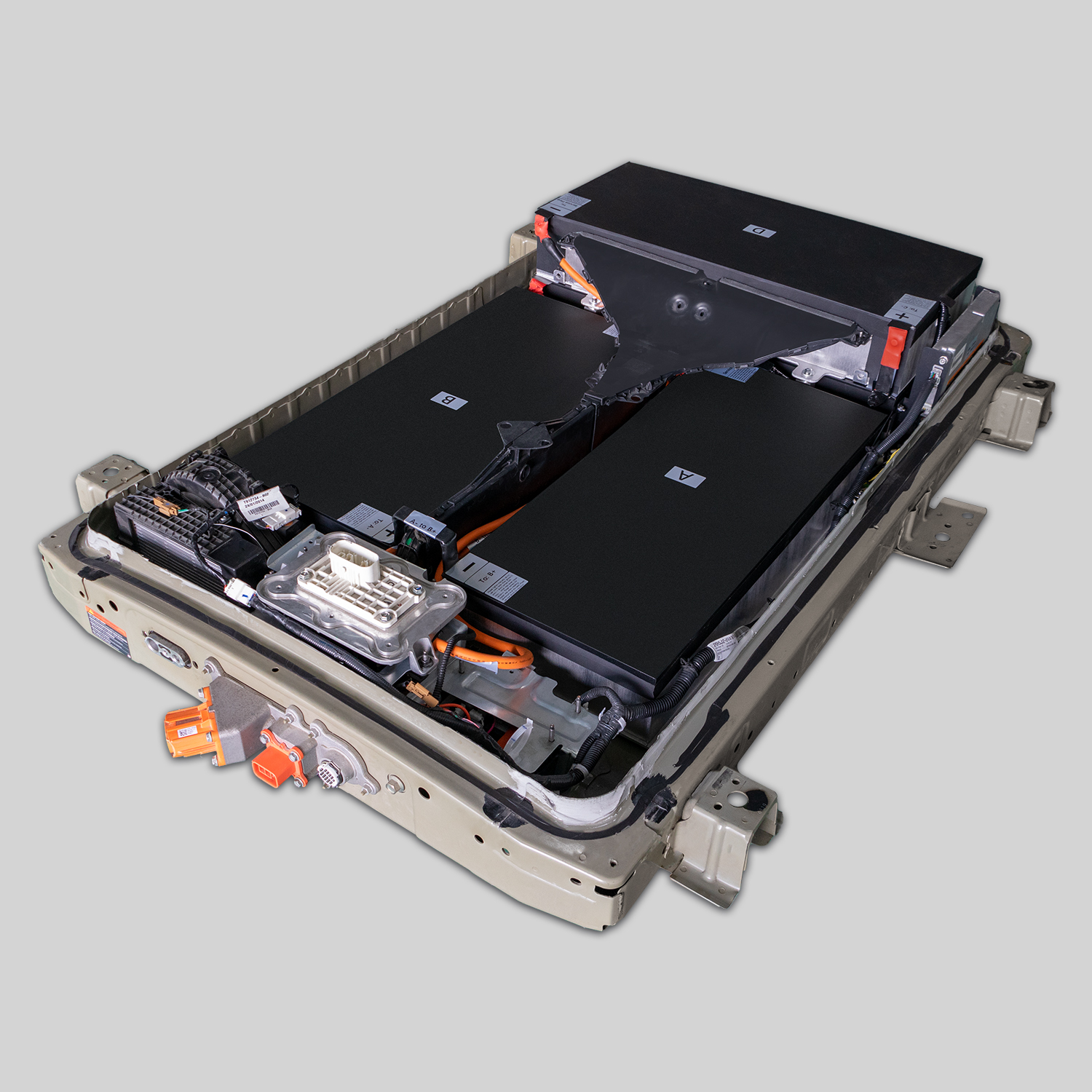
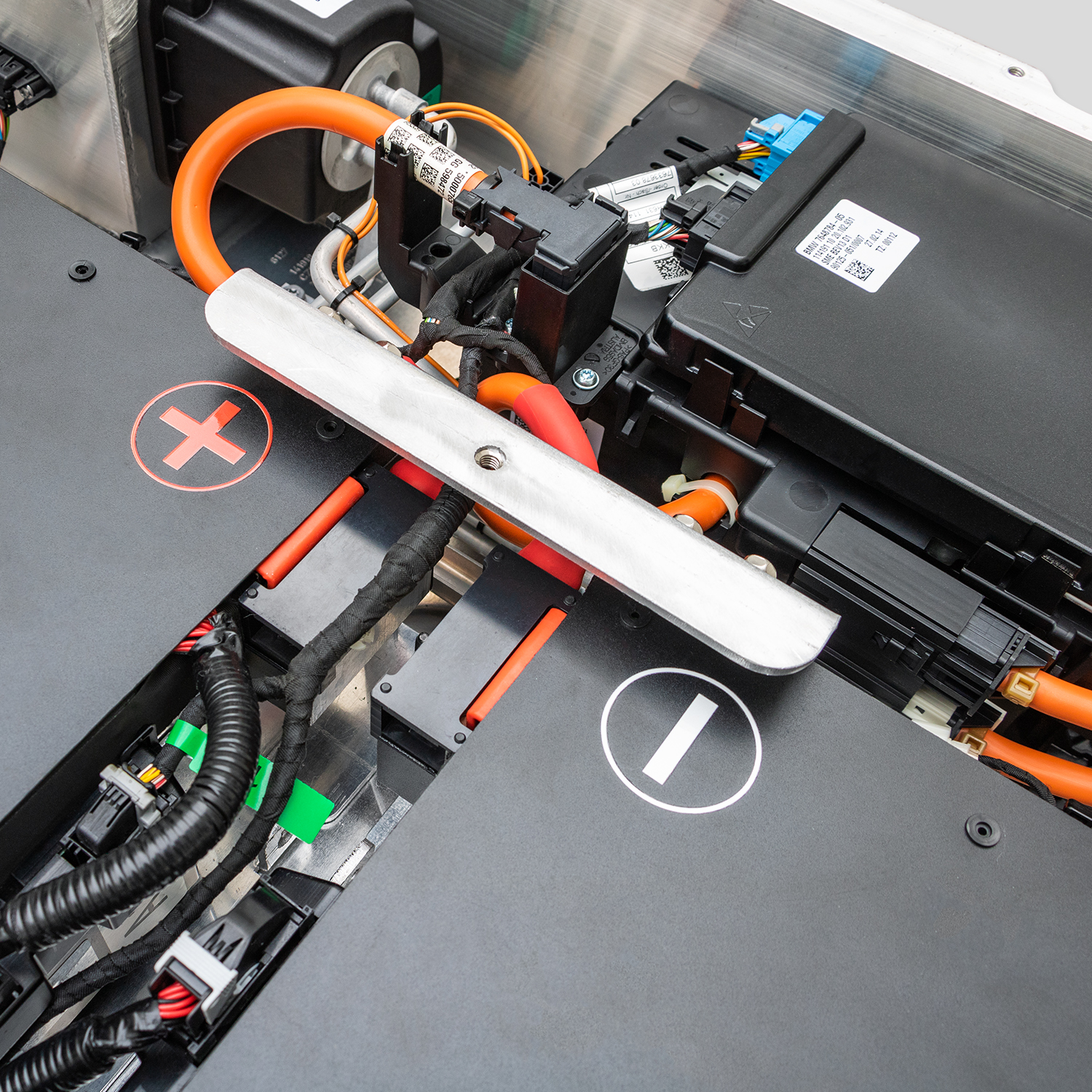
The i3 battery contains 8 series-connected modules (~48V each). The BMS reports average pack behavior, not individual performance. This means:
✅ A failing module drags down total output
❌ But may show normal voltage at rest
✅ Only under load or regen does the weakness appear
⚠️ Critical insight: A module with high internal resistance passes idle tests—but collapses when current flows.
🔍 Step-by-Step: Diagnose True Module Failure (No Pack Removal Needed)
Step 1: Use the Right Diagnostic Tool
- Generic OBD2 apps only show total voltage
- You need software that reads per-module PIDs:
HV_BatMod_01_VoltthroughHV_BatMod_08_VoltHV_BatMod_01_TempthroughHV_BatMod_08_Temp
- Recommended: BimmerGeeks Pro, ISTA+, or custom CAN logger
Step 2: Perform a Dynamic Stress Test
Drive cycle to expose weak modules:
- Fully charge the vehicle
- Drive at 70 km/h on flat road
- Lift off accelerator completely (max regen) for 10 sec
- Immediately floor the accelerator for 10 sec
- Log all 8 module voltages in real time
📌 Red flags:
- Any module >8V below the highest during acceleration
- Voltage not recovering within 5 seconds after load
- Spiking above 52V during regen (indicates cell reversal risk)
Step 3: Validate at Rest—But Only After Load
- Park for 60 minutes post-drive
- Measure resting voltage per module
- Healthy spread: <4V difference
- Concerning: >7V = irreversible degradation
Step 4: Cross-Check with Temperature Drift
- A failing module often runs 3–5°C hotter under load
- Pair voltage drop with thermal imaging or temp logs
- Hot + low-voltage = high internal resistance or micro-shorts
💡 Pro tip: Module 4 and Module 5 fail most often—they’re near the coolant inlet and endure thermal cycling stress.
Why “Full Bars” Lie—and What They Really Mean
The i3’s 12-bar display reflects estimated usable capacity, not module health. It updates slowly and lags behind real degradation. A pack can show 12 bars while:
- One module is already below 80% SoH
- Internal resistance has doubled
- Voltage sags trigger protective limits
✅ Truth: Bars indicate range—not reliability. Only dynamic voltage logging reveals true module integrity.
CNS BATTERY: Factory-Balanced Modules, Zero Hidden Weak Links
Every CNS i3 battery includes:
✅ Per-module capacity matching (<1% variance)
✅ Internal resistance screening during production
✅ Real-time module voltage streaming via OBD2
✅ 2-year / 80,000 km warranty covering imbalance and collapse
Result?
Shops report zero unexpected power reductions—and customers get consistent performance from day one.
“We used to chase phantom faults for hours. Now we know: if Module 5 drops under load, it’s hardware. We swap it with CNS—and the car drives like new.”
— EK Auto Repair, Rome
Frequently Asked Questions: BMW i3 Battery Module Failure
Q: Can I replace just one failed module?
A: Yes—CNS sells individual 45/50/62kWh modules matched to your pack’s specs.
Q: Do I need to rebalance the pack after module replacement?
A: No—CNS modules ship pre-balanced, and the BMS auto-adapts within 2–3 drive cycles.
Q: Which i3 models are most prone to module failure?
A: 2014–2018 60Ah and 94Ah packs—older cells, higher cycle counts.
Q: Can cold weather mimic module failure?
A: Temporarily—but healthy modules recover fully when warmed. Persistent drop = hardware fault.
Q: How long does module replacement take?
A: 2–3 hours with proper tools—no BMS reprogramming needed.
A Failing Module Doesn’t Announce Itself—It Waits for the Worst Moment to Strike
And by then, your customer is stranded, and your shop is on the hook.
Stop Guessing—Start Knowing: Install CNS BMW i3 Battery Modules with Factory-Validated Balance and Stability, So Every Drive Delivers Full Power, Every Time.
Because reliability isn’t assumed—it’s measured, module by module.
Order your CNS BMW i3 battery or individual module today—or request our free “Module Failure Diagnostic Log Template” with PID setup, pass/fail thresholds, and stress-test checklist:
👉 https://cnsbattery.com/ev-battery-home/ev-battery-contact/