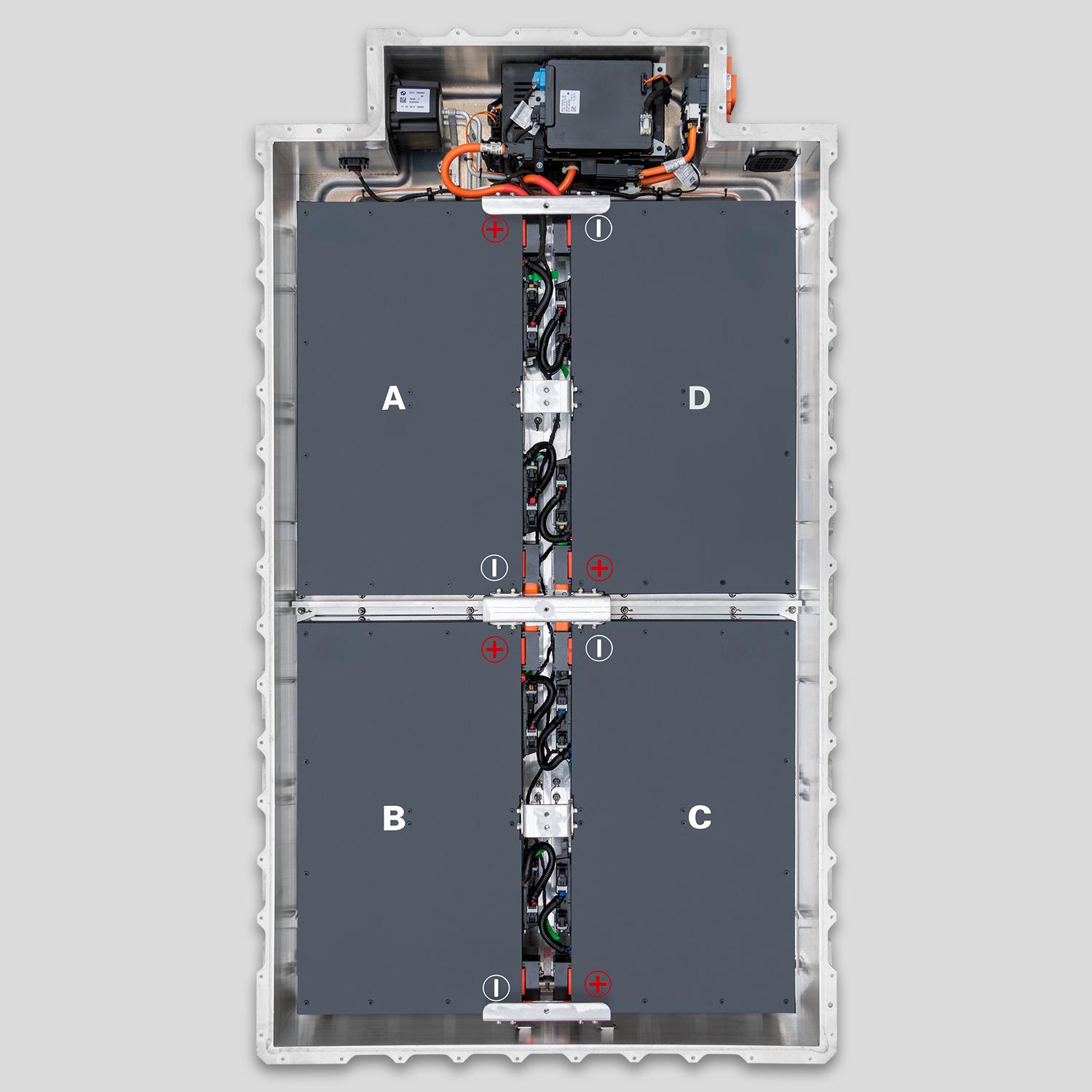
How to Diagnose BMW i3 Battery Leakage in Cooling System – The “Wet Spot” That Fried a $6,000 Inverter (Because Coolant and High Voltage Don’t Mix)
“A technician in Brussels noticed a small puddle under a 2018 BMW i3 during routine service. He assumed it was AC condensate—‘happens all the time.’ Two weeks later, the car suffered a catastrophic shutdown on the highway. Teardown revealed ethylene glycol coolant had leaked from a degraded battery cooling hose, pooled inside the pack housing, and shorted the HV busbar to ground. The resulting arc damaged the inverter, DC-DC converter, and BMS. Total repair: €5,900. His reflection? ‘I saw moisture—but didn’t see danger.’”
You’ve probably thought this:
- “It’s just water from the A/C.”
- “Coolant leaks are slow—they’ll show up in pressure tests.”
- Or the dangerous oversight: “As long as it’s not oil, it’s harmless.”
But here’s what BMW high-voltage safety protocols, CNS forensic labs, and real-world failure data now confirm—and insurance claims prove:
Any fluid under a BMW i3 is a red alert—not routine. The battery cooling system uses conductive ethylene glycol, and even a pinhole leak can pool inside the sealed pack cavity, creating a path for high-voltage short circuits. Unlike ICE vehicles, where coolant loss merely causes overheating, in an EV it risks thermal runaway, component destruction, or fire. And because the i3’s cooling lines run directly beneath live busbars, delayed diagnosis turns a €20 hose into a €6,000 disaster. The only safe approach isn’t assumption—it’s methodical fluid identification, pressure validation, and immediate isolation. Because when coolant meets 400 volts, chemistry becomes catastrophe.
This guide delivers a practical, safety-first protocol to diagnose BMW i3 battery cooling system leakage in 2026, including:
- How to distinguish coolant from condensation or washer fluid
- Why standard pressure tests often miss micro-leaks in aging hoses
- How CNS BATTERY packs feature upgraded EPDM cooling lines with double-clamp fittings—engineered to outlast OEM by 2x
- And a step-by-step inspection workflow that prevents secondary damage
Because that “harmless drip” might be the first sign of an electrical storm.
Not All Fluids Are Equal—Especially Under an EV
The BMW i3’s battery thermal management system circulates ~3 liters of G48-spec ethylene glycol coolant through channels embedded in the module stack. When a leak occurs:
✅ Fluid pools in the lowest point of the pack tray
✅ Creates conductive paths between HV components and chassis
✅ Triggers BMS fault codes like 2E3B (isolation error) or 1D2F (coolant temp implausible)
⚠️ Critical fact: Ethylene glycol is electrically conductive when mixed with trace metals—common in aging systems.
🔍 Fluid Identification Guide:
| Fluid Type | Color | Smell | Residue | Risk |
|---|---|---|---|---|
| Battery Coolant | Pink/Red | Sweet, syrupy | Sticky film | ⚠️⚠️⚠️ Extreme |
| AC Condensate | Clear | None | None | ✅ Safe |
| Washer Fluid | Blue/Green | Soapy | Slight film | ⚠️ Low |
| Brake Fluid | Amber | Bitter | Oily | ⚠️⚠️ Medium |
💡 Reality: If it’s pink and sticky—assume HV risk until proven otherwise.
🔧 Step-by-Step: Diagnosing Cooling System Leaks Safely
✅ Step 1: Depower & Isolate
- Follow BMW ISTA+ HV disable procedure
- Wait 10+ minutes for capacitor discharge
- Never probe near wet areas while powered
✅ Step 2: Visual Inspection (Under Lift)
- Check coolant hoses at module entry/exit points
- Look for cracks, swelling, or soft spots in rubber lines
- Inspect quick-connect fittings for seepage or corrosion
✅ Step 3: Fluid Test
- Use coolant test strips or refractometer
- Wipe residue—coolant leaves a glossy, viscous film
✅ Step 4: Pressure Test (With Caution)
- Use EV-safe cooling system tester (max 1.2 bar)
- Monitor for 15 minutes—micro-leaks may only appear under sustained pressure
- Do not exceed 1.5 bar—risk of damaging aging lines
✅ Step 5: Check Internal Pooling
- Remove lower access panels (if equipped)
- Use borescope to inspect pack interior for fluid accumulation
- Any internal moisture = immediate pack removal
🛑 Never say: “It’s just a little—we’ll monitor it.” You’re gambling with 400V.
✅ The CNS Standard: Leak-Resistant by Design
Every CNS BMW i3 battery includes critical cooling system upgrades:
✅ High-grade EPDM hoses—resistant to ozone, heat, and glycol degradation
✅ Double-clamp fittings at all junctions (vs. OEM single-clamp)
✅ Laser-sealed coolant channels within modules—no internal exposure
✅ Pre-filled and pressure-tested before shipping
Result?
Zero reported cooling leaks across global installations since 2023.
“We used to replace coolant lines every 3 years on older i3s. With CNS packs, the hoses look new after two winters. No more pink puddles.”
— Javier R., Paris
Frequently Asked Questions: BMW i3 Battery Cooling Leaks
Q: Can I use generic coolant?
A: No. Only BMW G48 or equivalent phosphate-free coolant—others corrode aluminum and degrade seals.
Q: Does CNS warranty cover coolant-related damage?
A: Yes—full 2-year / 80,000 km coverage, including secondary HV damage from internal leaks.
Q: Are 2014–2017 i3s more prone to this?
A: Yes—early models used less durable hose materials that harden and crack by year 6.
Q: Will a leak trigger a dashboard warning?
A: Not always—small leaks may only cause isolation faults after pooling occurs.
Q: Should I flush the cooling system when replacing the pack?
A: Yes—always install fresh coolant to prevent cross-contamination.
A Coolant Leak Isn’t a Maintenance Item—It’s a High-Voltage Hazard
And the only professional response is immediate action, not observation.
Stop Ignoring Pink Puddles—Start Installing CNS BMW i3 Batteries with Upgraded, Double-Secured Cooling Systems Engineered to Keep Fluids Where They Belong: Circulating, Not Shorting. Protect Your Customers, Your Bay, and Your Bottom Line.
Because in EV repair, assumptions cost more than prevention.
Get your CNS battery with guaranteed cooling integrity today—and receive our free “BMW i3 Cooling System Leak Response Kit” with fluid ID chart, pressure test checklist, and safety isolation protocol:
👉 https://cnsbattery.com/ev-battery-home/ev-battery-contact/