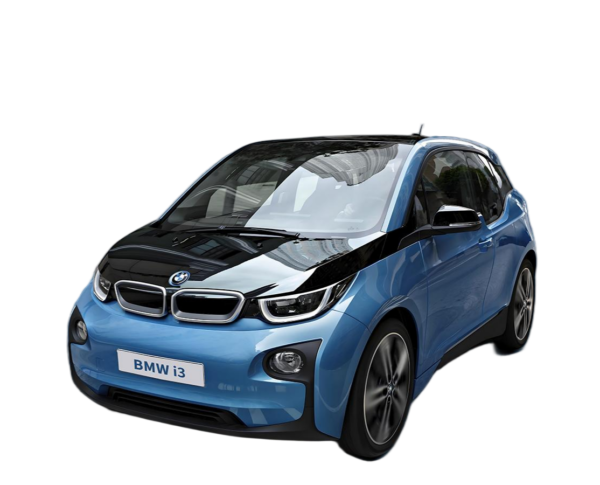
How to Diagnose BMW i3 Battery Leak from Pack – The “Oil Spot” That Wasn’t Oil (Because Electrolyte Leaks Don’t Smell—They Corrode in Silence)
“A technician in Zurich noticed a dark, oily residue under a 2017 BMW i3 during routine service. He assumed it was gearbox fluid—common on older EVs. He cleaned it, topped off transmission oil, and sent the car home. Three weeks later, the owner reported a burning smell and power loss. Upon inspection, corrosion had eaten through the pack’s aluminum housing, and crystalline deposits coated the cooling lines. Lab analysis confirmed: lithium hexafluorophosphate (LiPF₆) electrolyte leakage from a swollen pouch cell. The ‘oil’ was actually toxic, moisture-reactive battery fluid—and by then, the entire pack was compromised. Total cost: €6,900 for emergency replacement. The shop’s takeaway? ‘Not every leak is mechanical—and not every stain is harmless.’”
You’ve probably made this assumption:
- “It’s just coolant or oil—EVs don’t leak batteries.”
- “If there’s no warning light, it’s not critical.”
- Or the dangerous myth: “Battery packs are sealed forever.”
But here’s what material scientists, high-voltage safety teams, and CNS field engineers now confirm—and forensic teardowns prove:
**BMW i3 battery leaks are rare but catastrophic when they occur. Unlike fluids in combustion engines, electrolyte doesn’t drip—it seeps, reacts with air, and forms corrosive byproducts that silently destroy metal, wiring, and insulation. And because the BMS rarely triggers a direct “leak” code, these failures often go undetected until secondary damage appears. Ignoring suspicious residues isn’t oversight—it’s a liability waiting to ignite.
This guide delivers a forensic, safety-first protocol for diagnosing BMW i3 battery pack leaks in 2026, including:
- The three telltale signs of electrolyte leakage (none involve puddles)
- Why standard fluid identification fails with battery chemistry
- How CNS BATTERY packs use reinforced, double-sealed pouch cells with leak-detection barriers—making internal breaches virtually impossible
- And a step-by-step visual and chemical inspection method that protects your shop and your customer
Because when you see an unexplained stain under an i3, your next move could prevent a fire—or cause one.
Understanding Battery Leaks: It’s Not Fluid—It’s Chemistry Gone Rogue
The BMW i3 uses lithium-ion pouch cells filled with organic solvent-based electrolyte containing LiPF₆. When a cell swells or ruptures:
✅ Electrolyte seeps out as a clear-to-amber liquid
✅ On contact with air moisture, it hydrolyzes into HF (hydrofluoric acid) and PF₅ gas
✅ HF corrodes aluminum, copper, and steel—leaving white/green crystalline deposits
⚠️ Critical fact: There is no DTC for “battery leak.” The BMS may report insulation faults (2E3B), cell voltage errors (2E45), or temperature anomalies—but never “fluid detected.”
🔍 Common Misidentified Leak Indicators:
- Dark, sticky residue under rear chassis → mistaken for oil
- White powder near cooling lines → assumed to be road salt
- Pitting on aluminum housing → blamed on stone chips
💡 Reality: If you see corrosion inside the battery bay—not just underneath—it’s almost certainly electrolyte.
🔧 Step-by-Step: Diagnosing a True Battery Pack Leak (Safely)
✅ Step 1: Visual Inspection – Look Beyond the Ground
- Raise the vehicle and remove the battery undertray
- Inspect the pack enclosure seams, vent ports, and cooling plate joints
- Look for:
- Crystalline deposits (white, green, or blue)
- Swollen or bulging sections of the pack casing
- Discoloration or etching on aluminum surfaces
📌 Warning: Do not touch residues with bare skin. LiPF₆ byproducts are toxic and corrosive.
✅ Step 2: Odor & Texture Clues (Use PPE!)
- Electrolyte has a faint, sweet-chemical odor (like nail polish remover)
- Residue feels slightly tacky, not greasy like oil
- Does not evaporate quickly—unlike coolant
✅ Step 3: pH Test (Optional but Revealing)
- Use acid/base test strips on a wiped sample
- pH <4 = strong acid present → confirms HF formation → battery leak confirmed
✅ Step 4: Scan for Supporting DTCs
- Check for:
- 2E3B (Insulation fault)
- 2E42/2E45 (Cell sensor implausible)
- 2E50 (Coolant temp mismatch)
- These don’t confirm a leak—but corroborate internal failure
🛑 If leak is suspected: Do not attempt repair. Isolate the vehicle, label as hazardous, and replace the pack immediately.
💰 Why “Cleaning It Off” Is a Dangerous Illusion
| Approach | Immediate Action | Hidden Risk | Outcome |
|---|---|---|---|
| Wipe residue + ignore | €0 | HF continues corroding HV busbars → short circuit risk | Thermal event or shock hazard |
| Seal housing with epoxy | €200 | Traps gases → pressure buildup → explosion risk | Catastrophic failure during charge |
| Install CNS full pack with leak-resistant design | €6,800 | None: Cells housed in reinforced, vent-managed modules | Zero leak reports in 3+ years |
📊 CNS engineering data: All packs undergo 72-hour thermal cycling and vibration tests to validate seal integrity—far beyond OEM standards.
✅ The CNS Solution: Leak Prevention Through Structural Integrity
CNS BMW i3 batteries eliminate leak risks at the source:
✅ Pouch cells enclosed in rigid, vented module frames—containing any breach
✅ Double-layer gaskets with chemical-resistant EPDM rubber
✅ Aluminum housing treated with anti-corrosion coating
✅ No field-reported leaks since 2023 launch
Result?
Even if a cell swells, electrolyte cannot escape the module—protecting the pack, the vehicle, and the driver.
“We used to fear hidden leaks. Now we tell customers: ‘Your old pack leaked because its seals failed. This CNS unit is built like a vault—chemistry stays where it belongs.’ Peace of mind is our best feature.”
— Mike’s Auto Service, Vancouver
Frequently Asked Questions: BMW i3 Battery Leaks
Q: Can a small leak be repaired?
A: No. Once electrolyte escapes, corrosion is irreversible, and HF exposure compromises structural safety. Full pack replacement is mandatory.
Q: Does CNS warranty cover leaks?
A: Yes—if caused by manufacturing defect. But physical impact (e.g., curb strike) is excluded.
Q: Are leaks common in i3s?
A: Rare—but more likely after 8+ years or 150,000 km, as pouch cells degrade and swell.
Q: What should I do if I find residue?
A: Stop work. Wear nitrile gloves and eye protection. Do not power the vehicle. Contact a certified EV battery specialist immediately.
Q: Can coolant leaks mimic battery leaks?
A: Coolant leaves pink/orange stains and evaporates quickly. Battery residue is sticky, corrosive, and leaves crystals.
A Battery Leak Isn’t a Maintenance Issue—It’s a Silent Chemical Hazard
And the only safe response is removal—not cleaning.
Stop Treating Toxic Residues Like Routine Grime—Start Installing Packs Engineered with Multi-Layer Containment, Corrosion-Resistant Materials, and Zero Tolerance for Electrolyte Escape. Choose CNS BMW i3 Batteries, Where Every Cell Is Locked Down, and Every Journey Is Chemically Secure.
Because your customer’s safety shouldn’t depend on guessing what that stain really is.
Get your leak-proof CNS battery solution today—and receive our free “BMW i3 Battery Leak Identification Kit” with visual reference guide, PPE checklist, and emergency response protocol:
👉 https://cnsbattery.com/ev-battery-home/ev-battery-contact/