How to Choose the Right BMW i3 Battery Registration Method
The BMW i3 Battery Registration Dilemma
Are you facing a dead battery warning light on your BMW i3 dashboard? If you are replacing the battery pack, you must understand the registration methods. This is a critical step that bridges the physical hardware with the car’s digital brain. The BMW i3 relies heavily on its Battery Management System (BMS) to communicate with the Digital Motor Electronics (DME). If this handshake fails, your car simply won’t drive, or worse, it could pose a safety risk.
At CNS BATTERY, we don’t just sell battery packs; we provide “Plug & Play” solutions designed specifically for the BMW i3. We understand that the complexity of registration methods is a major hurdle for many owners and mechanics. That is why we have compiled this expert guide to demystify the process. Whether you are a DIY enthusiast or a professional technician, choosing the right registration method is the key to unlocking the full potential of your new battery.
Understanding the Core: BMS and DME Communication
Before we dive into the methods, it is essential to grasp the “why” behind registration. The BMW i3 uses a sophisticated communication protocol where the BMS (in the battery) talks to the DME (in the car).
The Challenge: When you install a brand new battery pack, the car often sees it as a foreign object. The registration process is essentially teaching the car to trust the new battery. There are generally two pathways to achieve this: Software Coding and Hardware Matching.
Method 1: Software Coding and Reprogramming
This is the most common method used by dealerships and requires specific diagnostic tools like ISTA (Integrated Service Technical Application) or third-party tools like Autel, Launch, or Foxwell.
- The Process: The mechanic connects the diagnostic tool to the OBD2 port. The software erases the old battery data from the DME and uploads the new battery configuration. This process usually involves entering a new “Battery Serial Number” (BSN) that matches the physical hardware.
- The Pros: It is the “official” method. It allows for full calibration of the State of Charge (SOC) and State of Health (SOH).
- The Cons: It is complex. If done incorrectly, it can brick the DME or cause the car to enter a limp mode. It requires a technician who is familiar with BMW’s specific protocols.
Expert Tip from CNS BATTERY: If you choose this method, ensure your technician knows the exact BSN for your new battery model. Guessing this number is the most common reason for registration failure.
Method 2: Hardware Matching (The Plug-and-Play Approach)
For those looking for a simpler solution, the hardware matching method is often preferred. This is where high-quality aftermarket batteries, like those from CNS, shine.
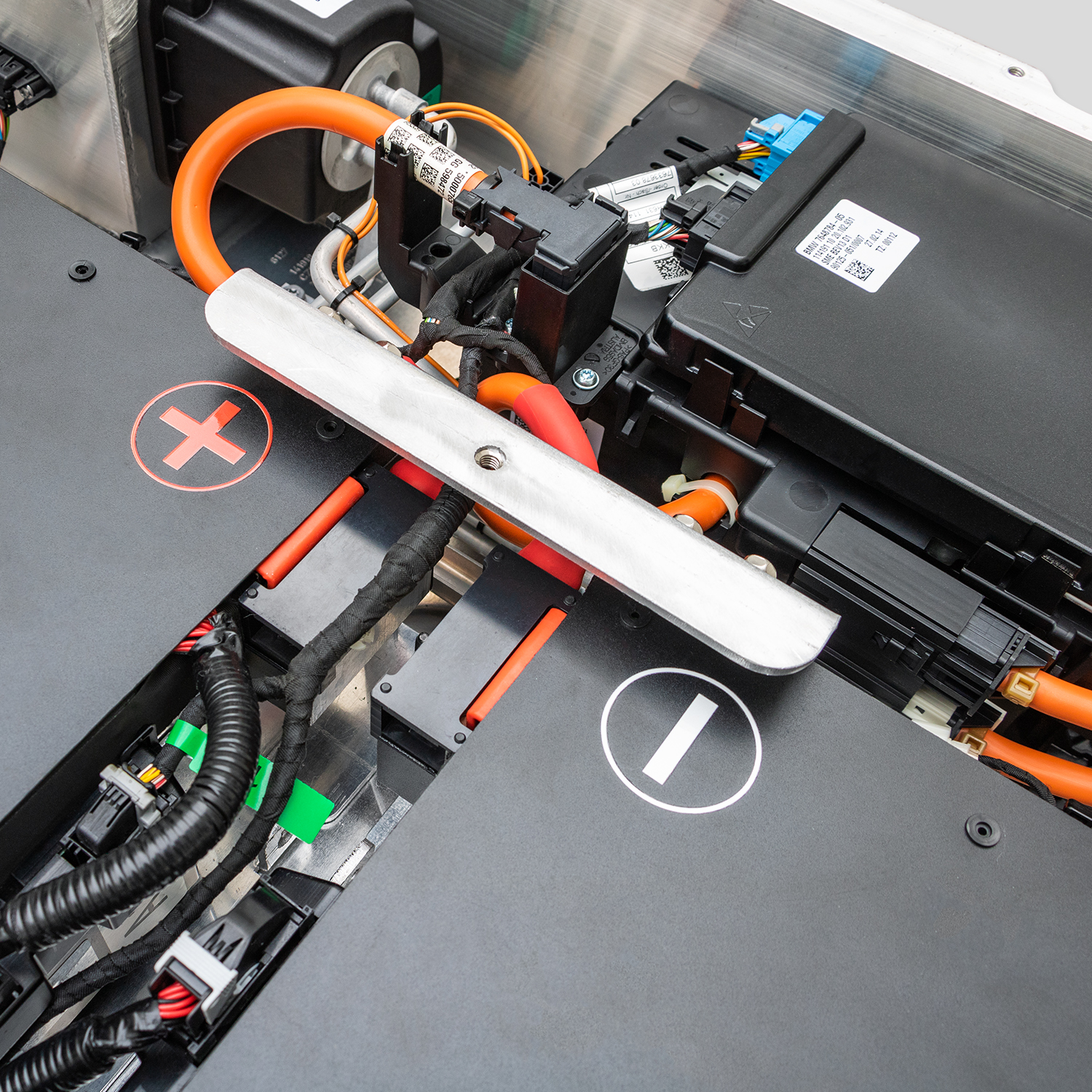
- The Process: Instead of changing the car’s software, this method involves modifying the hardware inside the battery pack. Technicians physically adjust the “Bridge” or “Resistor” on the BMS circuit board to match the resistance value that the original BMW i3 DME expects.
- The Pros: It is incredibly reliable. Because you are matching the hardware to the existing software, there is no risk of software corruption. It truly is “Plug and Play” – once the hardware is matched, you simply install the battery, and the car recognizes it immediately without any coding.
- The Cons: It requires a skilled technician to perform the hardware modification before the battery leaves the factory.
Why CNS BATTERY is the Smart Choice for BMW i3 Owners
Choosing the right registration method often depends on the quality of the battery you purchase. At CNS BATTERY, we have solved this dilemma for our customers.
1. Factory-Prepared for Success
We do not sell you a raw battery and leave you to figure out the registration. Every CNS BMW i3 battery pack is built using brand-new CATL cells, ensuring maximum longevity and safety. More importantly, our engineering team handles the registration preparation at the factory level.
2. The “Plug and Play” Guarantee
We specialize in the Hardware Matching method. Before your battery ships, our technicians configure the BMS to perfectly match the OEM resistance values expected by your BMW i3’s DME. This means you avoid the risks and high costs associated with software coding.
3. Lifetime Technical Support
We know that every garage setup is different. If you prefer to use the Software Coding method, our dedicated technical team provides step-by-step video guidance and support to ensure a successful ISTA upload. We are not just a seller; we are your partner in the repair process.
Making the Decision: DIY vs. Professional Help
Choosing the right method also depends on your comfort level.
- For the DIYer: We strongly recommend a battery that utilizes the Hardware Matching method (like CNS BATTERY). This allows you to install the battery yourself in about 1-2 hours without needing expensive diagnostic tools. It is safe, simple, and cost-effective.
- For the Professional Shop: If you have access to a full suite of BMW diagnostic tools and a skilled technician, the Software Coding method offers maximum flexibility. However, using a pre-matched battery from CNS significantly reduces labor time and the risk of customer callbacks.
Conclusion
Replacing the battery in your BMW i3 does not have to be a nightmare. By understanding the two main registration methods—Software Coding and Hardware Matching—you can make an informed decision that saves you time, money, and stress.
At CNS BATTERY, we believe in removing barriers. Our goal is to provide you with a battery that installs as easily as the original equipment, backed by our industry-leading 2-year / 80,000 km warranty. We handle the technical complexities so you can get back on the road with confidence.
Ready to revive your BMW i3? Do not let the fear of registration stop you. Contact our technical experts today for a free compatibility check and personalized quote.
Get Your Free Custom Quote Now
Frequently Asked Questions (FAQ)
Q1: Can I register a new BMW i3 battery myself without a mechanic?
Yes, you can. If you purchase a battery that uses the “Hardware Matching” method (like those from CNS BATTERY), the registration is automatic. You simply disconnect the old battery and connect the new one. The car recognizes it immediately because the hardware is pre-configured to match the factory settings. This is the safest method for DIYers as it avoids the risk of corrupting the car’s software.
Q2: What happens if the battery registration fails?
If registration fails, your BMW i3 will typically display a “High Voltage