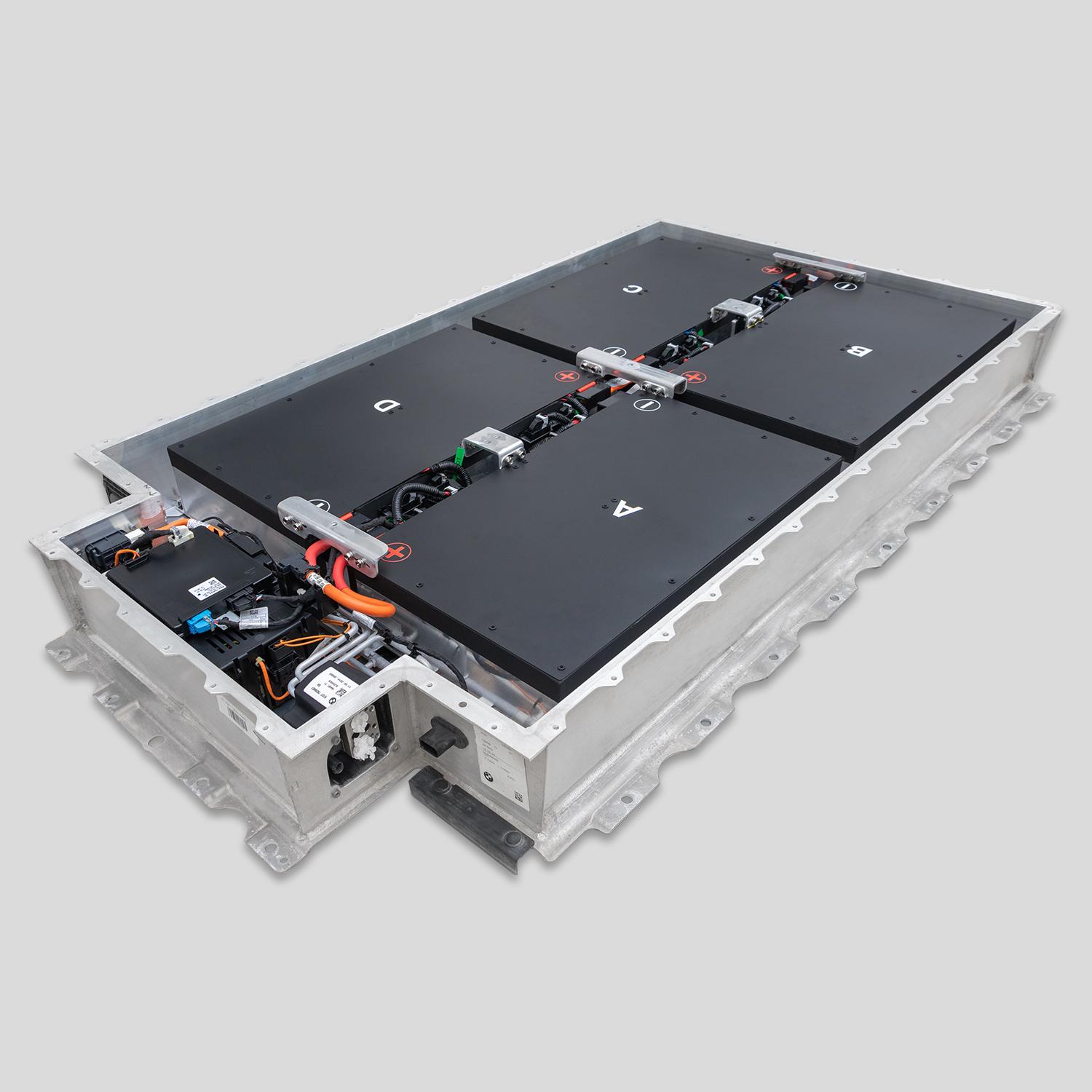
How to Choose the Right BMW i3 Battery Lifespan Expectation
When your BMW i3 needs a battery replacement, the biggest question on your mind isn’t just “Will it work?”—it’s “How long will this battery actually last?”. The lifespan of your EV battery dictates your long-term ownership costs, driving range, and peace of mind. Choosing the right lifespan expectation requires understanding the difference between refurbished junk, inflated marketing claims, and a genuine OEM-grade replacement.
At CNS BATTERY, we’ve spent over a decade engineering powertrains specifically for BMW and Nissan. We understand that “lifespan” isn’t just a number; it’s a combination of cell chemistry, thermal management, and BMS programming. This guide cuts through the noise to help you set realistic, achievable lifespan expectations for your BMW i3 battery.
Why Generic Lifespan Estimates Fail Your BMW i3
You might see generic articles stating that EV batteries last “8-10 years.” While statistically true for brand-new cars under warranty, this number is often misleading for the aftermarket replacement market.
When you are in the market for a replacement BMW i3 battery, you are typically facing one of two scenarios:
- Replacing a Failed Battery: Your original battery has degraded or failed, and the OEM replacement cost is prohibitive.
- Purchasing a Used/Refurbished Unit: You are buying a battery that has already lived a “first life” in another vehicle.
The Reality: A used battery labeled as “80% capacity” might have already used 50% of its total chemical lifespan. Capacity percentage and chemical age are not the same. If you buy a battery with 80% capacity that is chemically old, you might only get 2-3 years of usable life before it drops below 60% and becomes nearly unusable.
The 3 Pillars of True Battery Longevity
To choose a battery with the right lifespan expectation, you must evaluate the core components. At CNS, we engineer our batteries around these three pillars to ensure you get the longevity you pay for.
1. The Cell Chemistry (The Heart)
The battery cell is where the energy is stored. Most budget replacements use LFP (Lithium Iron Phosphate) cells because they are cheap. While LFP is safe, it has a lower energy density and struggles in cold weather.
For a BMW i3, which requires specific voltage curves and high energy density, NMC (Nickel Manganese Cobalt) is the superior choice. Our batteries utilize brand-new, top-tier NMC cells (specifically from CATL, the world’s leading supplier). NMC chemistry is what BMW originally designed the i3 for, ensuring compatibility and a lifespan of over 3000 full charge cycles when properly managed.
2. The BMS (The Brain)
A battery is only as good as its Battery Management System (BMS). A cheap BMS will allow cells to overheat or imbalance, killing the lifespan in months.
Our BMS is engineered to mimic the OEM factory standards. It actively balances the cells and manages temperature to prevent “weak links” in the pack. This active management is what allows our batteries to maintain over 70% capacity throughout the warranty period and beyond.
3. Thermal Management (The Guardian)
Heat is the enemy of lithium-ion batteries. If a battery pack cannot dissipate heat effectively, the chemical reactions accelerate, leading to rapid degradation.
Our packs are designed with structural integrity and airflow in mind, mirroring the OEM design to ensure the heat generated during fast charging or highway driving is managed effectively, preventing thermal runaway and extending the chemical life of the cells.
Realistic Lifespan Expectations: New vs. Refurbished
To help you visualize the difference, here is a direct comparison of what you can expect based on the type of battery you choose.
| Battery Type | Initial Cost | Expected Lifespan (Years) | Capacity Retention Risk | Best For |
|---|---|---|---|---|
| Refurbished/Used | Medium | 1-3 Years | High (Drops below 60% quickly) | A temporary fix; high risk of repeat failure. |
| Budget New (LFP) | Low | 3-5 Years | Medium (Struggles in cold climates) | Urban commuters in warm climates needing basic range. |
| CNS Premium (NMC) | 50% less than OEM | 5-8+ Years | Low (70%+ guaranteed) | Drivers wanting a “forever” solution without the dealer price tag. |
Expert Insight: If you are looking at a “lifetime” warranty from a budget supplier, read the fine print. Often, “lifetime” means “lifetime of the cells,” which could be defined as dropping to 50% capacity. At CNS, our warranty defines lifetime as maintaining at least 70% capacity over 2 years or 80,000 km.
How to Maximize Your Battery’s Lifespan
Even the best battery requires proper care. Based on our 10 years of R&D data, here are the top three habits that extend the chemical life of your BMW i3 battery:
1. Avoid the “100% Trap”
While it is tempting to charge to 100% for maximum range, keeping lithium-ion cells at maximum voltage stress accelerates degradation. For daily driving, we recommend setting your charge limit to 85-90%. Save the 100% charge for long road trips only.
2. Master the “Parking Protocol”
Where you park matters. Parking in direct sunlight or a freezing garage without preconditioning puts stress on the cells.
- In Summer: Park in the shade or a garage. High temperatures are the number one killer of EV batteries.
- In Winter: If possible, park in a heated garage or use a timer to precondition the battery while it is still plugged in before you start driving.
3. The 20% Floor Rule
Try not to let your battery drop below 20% regularly. Deep discharges (draining to 0%) cause physical stress on the anode. Keeping the State of Charge (SoC) between 20% and 90% creates the optimal “stress-free zone” for the chemistry.
Why CNS BATTERY is the Right Choice for Lifespan
Choosing the right lifespan expectation means choosing a partner you can trust, not just a box of cells.
We are not a general electronics store selling random batteries. We are a specialized OEM partner with a decade of focus on BMW and Nissan platforms. This specialization allows us to guarantee what generic sellers cannot.
Our Unbeatable Warranty:
We back our confidence in our lifespan with a concrete offer: 2 Years or 80,000 km. This far surpasses the standard industry offering for aftermarket batteries. If our battery drops below 70% capacity or fails due to materials during this period, we provide free replacement or repair.
The Cost-Benefit Analysis:
Replacing your BMW i3 battery with an OEM unit can cost upwards of $16,000. With CNS, you get the same NMC chemistry and safety standards for less than 50% of that price. This isn’t just a cheaper option; it is a smarter financial decision that revitalizes your vehicle for another 5-8 years of reliable service.
Frequently Asked Questions (FAQs)
Q1: How do I know if a battery is truly “new” or just refurbished?
A: Always ask for the cell manufacturer and production date code. Refurbished batteries often have mismatched date codes or use obscure cell brands. CNS batteries utilize brand-new cells from CATL (Contemporary Amperex Technology Co. Limited), the world’s largest lithium-ion battery supplier, with consistent date codes matching the production month.
Q2: What happens to the battery’s lifespan if I live in a very hot or cold climate?
A: Climate significantly impacts degradation. In extreme heat, degradation can double if the battery is not parked in the shade. In extreme cold, capacity drops temporarily, but frequent fast charging in sub-zero temperatures can cause permanent damage (lithium plating). Our BMS is designed to mitigate these risks, but following the “Parking Protocol” mentioned above is crucial for longevity in harsh climates.
Q3: Does the installation process affect the battery lifespan?
A: Yes. Improper installation, such as cross-threading bolts or failing to reconnect temperature sensors, can lead to thermal issues or physical damage. We provide detailed step-by-step installation videos and offer free video call guidance from our engineers to ensure the installation is perfect, protecting your investment from day one.
Q4: Can I upgrade the capacity of my BMW i3 battery for a longer lifespan?
A: While upgrading capacity (e.g., from 42kWh to 62kWh) is technically complex and not always plug-and-play, increasing the total capacity does improve the “stress” factor. A larger battery draws fewer amps under the same driving conditions, running cooler and lasting longer. Contact our technical experts to discuss compatibility for your specific i3 model year.
Ready to set a realistic, long-term expectation for your BMW i3?