🚀 The Ultimate 2026 Guide: Choosing the Right BMW i3 Battery Efficiency Rating
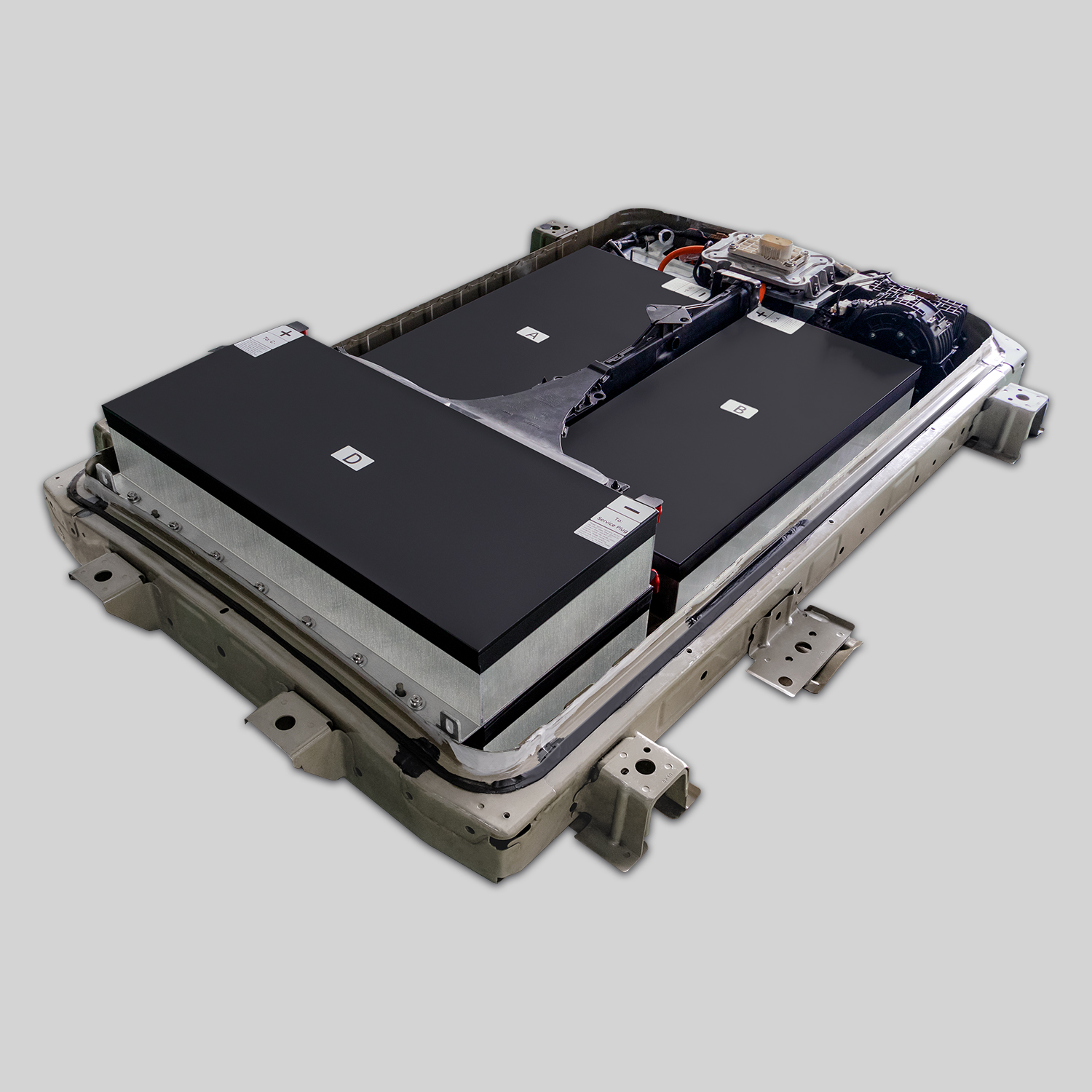
When your BMW i3’s battery starts to fade, the decision to replace it isn’t just about getting back on the road—it’s about maximizing your investment. As a seasoned expert at CNS BATTERY, I’ve seen countless owners struggle with the dilemma: Should I pay the premium for the original manufacturer (OEM), or is there a smarter, more efficient aftermarket solution?
The answer lies in understanding Battery Efficiency Ratings. It’s not merely about Kilowatt-hours (kWh); it’s about the synergy between the Battery Management System (BMS), the quality of the cells, and the thermal management design.
In this guide, I will walk you through the exact metrics you need to evaluate to ensure you pick a battery that offers superior range, longevity, and safety without the exorbitant price tag.
🔋 Why Efficiency Matters More Than Raw Capacity
Many drivers assume that a higher kWh number automatically means a better battery. However, in the world of electric vehicle (EV) refurbishment, efficiency is the true king.
An inefficient battery pack, even with a high capacity rating, can suffer from:
- Heat Loss: Poor thermal management wastes energy as heat.
- Voltage Sag: Weak cells cause voltage drops under acceleration, reducing usable power.
- BMS Mismatches: An incompatible BMS can restrict power output, making a “high-performance” pack feel sluggish.
At CNS, we engineer our BMW i3 batteries to meet Original Factory Standards, ensuring that every watt of energy is utilized efficiently.
📊 Step 1: Decoding the Numbers (kWh & Ah)
The first step in choosing the right efficiency rating is selecting the correct capacity for your driving needs. For the BMW i3, the efficiency sweet spot often lies between 42kWh and 62kWh.
Here is a quick reference table for our compatible models:
| Battery Model | Capacity Range | Efficiency Profile | Best For |
|---|---|---|---|
| BMW i3 REx / Base | 40kWh – 45kWh | Balanced Efficiency | City driving, daily commutes |
| BMW i3 (Standard) | 50kWh – 62kWh | High Range Efficiency | Long-distance travel, highway use |
| Custom Upgrades | 62kWh+ | Premium Efficiency | Maximum range, future-proofing |
Expert Insight: If you are upgrading from a lower capacity (e.g., 22kWh to 42kWh), ensure the BMS is reprogrammed to match the i3’s specific communication protocols. A mismatch here is the #1 cause of “reduced power” warnings.
⚡ Step 2: The Cell Quality Factor
The core of your battery’s efficiency rating depends on the lithium-ion cells inside. This is where many aftermarket suppliers cut corners, but it is where CNS excels.
Why CATL Cells?
We exclusively use brand-new CATL (Contemporary Amperex Technology Co. Limited) battery cells. CATL is a global leader in lithium-ion technology, and their cells offer:
- Lower Internal Resistance: This means less energy is wasted as heat during charging and discharging.
- Higher Energy Density: More power stored in the same physical space.
- Consistency: Every cell batch is rigorously tested to ensure uniform voltage and capacity, preventing “bottlenecking” where weak cells drag down the performance of the entire pack.
The Refurbished Trap:
Be wary of “remanufactured” or “refurbished” batteries. These often use cells salvaged from crashed or degraded vehicles. Even if rated at 62kWh, the internal resistance of aged cells is significantly higher, leading to rapid capacity fade and poor efficiency in real-world driving.
🧠 Step 3: The Brain of the Battery (BMS)
A battery is only as smart as its BMS. The Battery Management System is responsible for monitoring temperature, voltage, and state of charge.
For the BMW i3, the BMS must be capable of:
- Precise Communication: It must “speak” the exact BMW protocol to avoid dashboard errors.
- Thermal Regulation: It must efficiently manage the cooling system to keep cells within the optimal 20°C – 35°C range.
- Balancing: It must ensure all modules charge and discharge evenly.
Our BMS modules are designed to be plug-and-play compatible with the BMW i3. This means no complex coding is usually required for basic functionality, and the efficiency rating remains stable over thousands of cycles.
🛡️ Step 4: Safety & Structural Integrity
Efficiency is meaningless if the battery isn’t safe. A poorly constructed pack can suffer from micro-vibrations that damage cells over time, reducing efficiency.
Our Manufacturing Standards:
- OEM Fitment: Our casings are engineered to fit the BMW i3 chassis perfectly, ensuring the weight distribution and aerodynamics remain factory-spec.
- Vibration Dampening: We use industrial-grade sealants and mounting points to prevent physical damage.
- IP67 Rating: Our packs are sealed against dust and water immersion, protecting the internal electronics from corrosion that could degrade efficiency.
💰 The Value Equation: Efficiency vs. Cost
Let’s address the elephant in the room: cost. An OEM BMW i3 battery replacement can cost upwards of $16,000 USD. For many, this makes the car uneconomical to repair.
This is where the CNS Advantage comes in. We offer a solution that provides 95% of the OEM efficiency and safety at 50% of the price.
- Warranty Confidence: We back our efficiency claims with a 24-month / 80,000 km warranty. This is significantly longer than the industry standard for aftermarket batteries and reflects our confidence in the product’s longevity.
- Real-World Results: Owners report full charge ranges of 290km+ on a 45kWh pack, matching the efficiency of the original battery when it was new.
🛠️ Installation & Support
Choosing the right battery is only half the battle. Proper installation ensures the efficiency rating translates to the road.
- DIY Friendly: Thanks to our plug-and-play design and detailed video tutorials, many owners successfully install the battery themselves in under 2 hours.
- Expert Support: If you encounter a BMS programming hiccup or a wiring question, our technical team offers remote video guidance to get you back on track immediately.
❓ Frequently Asked Questions (FAQ)
Q1: Will a CNS Battery void my BMW i3’s warranty?
A: While installing an aftermarket part generally affects the specific component’s warranty, our batteries are designed to be non-invasive. We recommend getting a VIN compatibility check before purchasing to ensure a perfect match that won’t trigger error codes affecting other vehicle systems.
Q2: How long does it take to install a new BMW i3 battery?
A: For a professional technician, installation typically takes 1-2 hours. DIY users with basic tools and our video guides can usually complete the job in about 2 hours. The process is largely plug-and-play, minimizing downtime.
Q3: What is the expected lifespan of a CNS BMW i3 battery?
A: Thanks to the use of brand-new CATL cells and robust BMS protection, our batteries are designed to last 10+ years under normal driving conditions. We guarantee this with our industry-leading warranty.
Q4: Do you offer international shipping?
A: Yes, we provide DDP (Delivered Duty Paid) service to over 50 countries. We handle all customs compliance for lithium batteries (UN 3480), making the process seamless for you.
Ready to restore your BMW i3 to its former glory?
Don’t let a degraded battery limit your range. Choose a solution that offers the perfect balance of efficiency, safety, and value.