How to Choose the Best Drone Battery for Agricultural Operators in 2024
Introduction: Powering Precision Agriculture in the Modern Era
In today’s precision agriculture landscape, drones have evolved from novelty gadgets to essential tools for optimizing crop yields, reducing resource waste, and implementing sustainable farming practices. As we enter 2024, the critical role of selecting the right drone battery has become paramount for agricultural operators seeking to maximize operational efficiency. With the global agricultural drone market projected to reach $3.5 billion by 2027, according to recent market analysis from Grand View Research, choosing a battery that meets the unique demands of farming environments is no longer optional—it’s fundamental to success. This guide provides actionable insights, backed by industry research, to help you navigate the complexities of drone battery selection specifically for agricultural applications.
Why Agricultural Drone Batteries Demand Specialized Consideration
Agricultural operations present distinct challenges that demand specialized battery solutions. Unlike commercial or recreational drone use, farming requires extended flight times to cover expansive fields efficiently. A 2023 survey by the American Farm Bureau Federation revealed that 82% of agricultural drone operators consider battery life the most critical factor, with many reporting that standard batteries limit their operational capacity to less than 25 minutes per charge—far below what’s needed for effective field coverage.
Moreover, agricultural environments are notoriously harsh, with extreme temperature fluctuations, high humidity, dust exposure, and potential moisture from irrigation or spraying operations. A battery that fails under these conditions can lead to costly downtime, missed critical crop monitoring windows, and wasted resources. The right agricultural drone battery must balance capacity, weight, durability, and safety to ensure consistent performance throughout the growing season.
Key Selection Criteria for Agricultural Drone Batteries
When evaluating drone batteries for agricultural use, consider these essential factors:
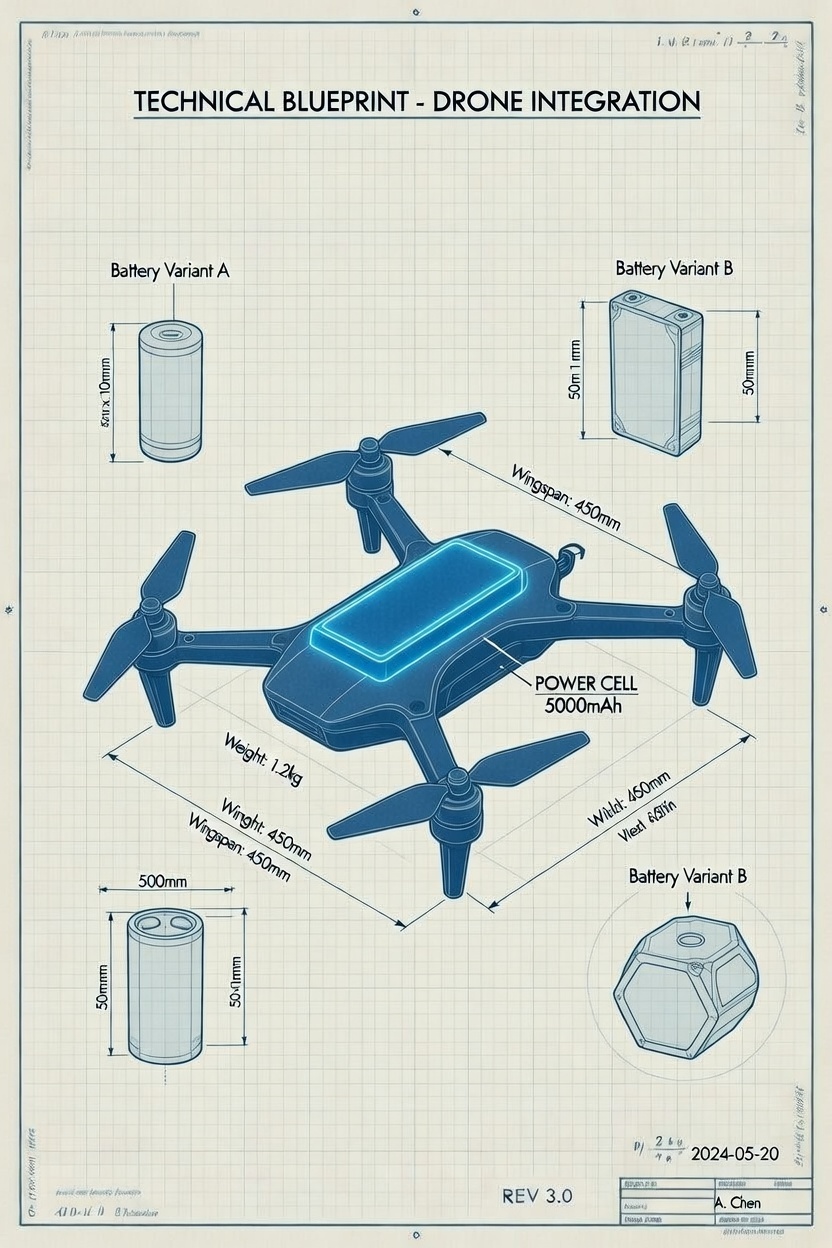
- Flight Time and Capacity: Agricultural applications demand extended flight times to cover large fields. Prioritize batteries with capacities of 5,000mAh or higher, with some premium models reaching 10,000mAh. However, balance capacity with weight—excessively heavy batteries can reduce payload capacity and flight efficiency.
- Weight and Payload Balance: For optimal drone performance, aim for batteries weighing no more than 500g. This ensures your drone maintains proper maneuverability and stability while carrying necessary agricultural payloads like sensors or spray systems.
- Charging Speed and Efficiency: Time is money in agriculture. Batteries with fast-charging capabilities (recharging in under 30 minutes) significantly boost operational efficiency, allowing for more field coverage during a single workday.
- Environmental Resilience: Look for batteries with IP54 or higher ratings for dust and moisture resistance, and temperature tolerance ranging from -10°C to 50°C. These specifications ensure reliable performance in varying weather conditions.
- Safety Features: Prioritize batteries with advanced safety mechanisms including overcharge protection, short-circuit prevention, and thermal management systems to prevent failures during critical operations.
- Compatibility and Integration: Verify seamless compatibility with your specific drone model. Many agricultural drones have proprietary battery systems, so ensure your chosen battery integrates perfectly with your existing equipment.
- Total Cost of Ownership: Consider the long-term value rather than just the upfront cost. Premium batteries with longer lifespans and reduced downtime often deliver better ROI for agricultural operations.
2024’s Leading Trends in Agricultural Drone Batteries
The agricultural drone battery landscape is evolving rapidly in 2024, with several key trends reshaping the market:
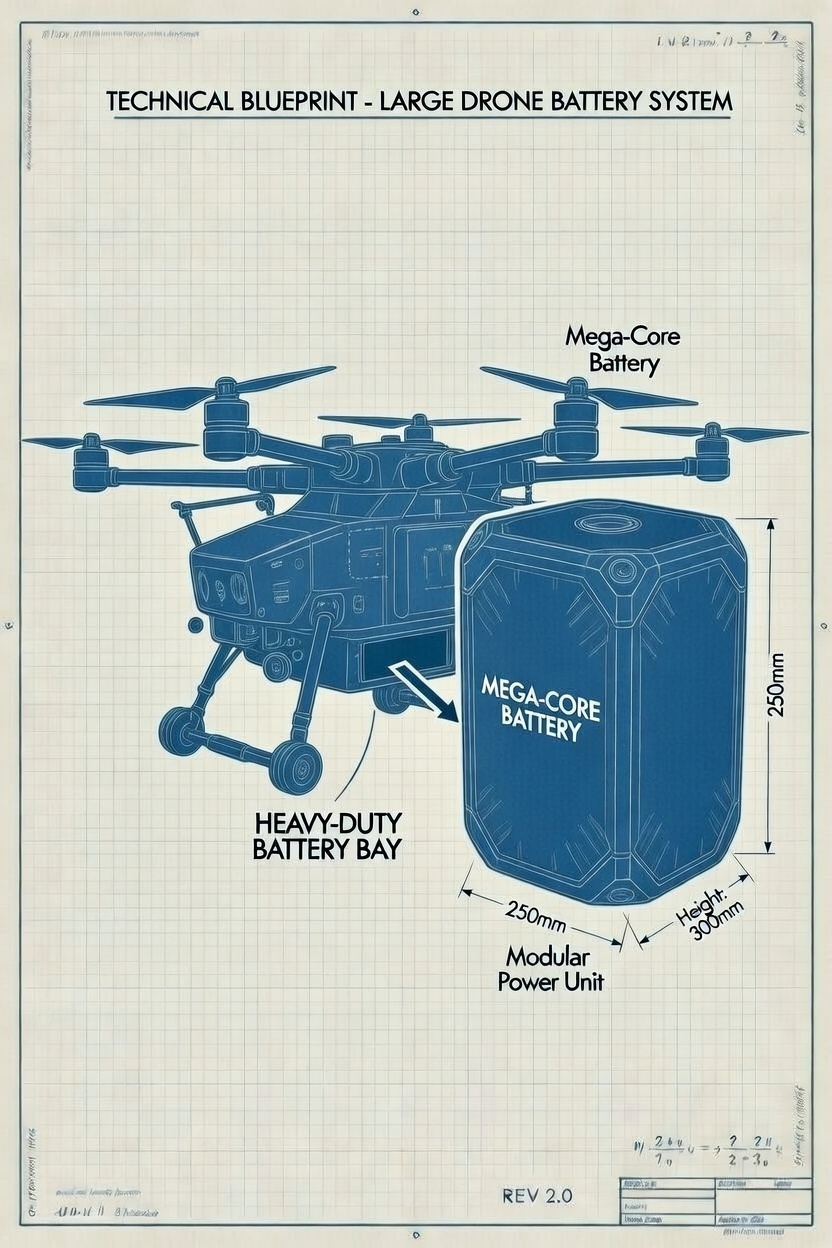
- Modular Battery Systems: Farmers increasingly adopt modular battery solutions that allow for quick swaps, extended flight times, and compatibility across multiple drone models without purchasing entirely new systems.
- Solid-State Battery Adoption: Early adopters are experiencing the benefits of solid-state batteries, which offer 30-40% higher energy density, faster charging, and enhanced safety compared to traditional LiPo batteries. Industry projections indicate solid-state technology could capture 35% of the agricultural drone battery market by 2026.
- AI-Optimized Power Management: Advanced battery management systems now use AI to dynamically adjust power distribution based on flight patterns and environmental conditions, extending battery life and improving overall operational efficiency.
- Enhanced Environmental Protection: With increased use of drones for crop spraying in wet conditions, waterproof and dustproof batteries with IP67 ratings are becoming standard requirements rather than optional features.
Practical Comparison: LiPo vs. Solid-State Batteries for Agriculture
| Feature | LiPo Batteries | Solid-State Batteries |
|---|---|---|
| Energy Density | Moderate (200-250 Wh/kg) | High (300-400 Wh/kg) |
| Charging Speed | Moderate (30-60 minutes) | Fast (15-30 minutes) |
| Safety | Moderate (risk of swelling) | High (no flammable electrolytes) |
| Temperature Range | -10°C to 45°C | -20°C to 60°C |
| Lifespan | 300-500 cycles | 500-1000+ cycles |
| Cost | Lower upfront cost | Higher upfront cost |
For most agricultural operations in 2024, solid-state batteries offer superior performance despite the higher initial investment, especially for large-scale farming where downtime is costly.
Actionable Tips for Agricultural Drone Operators
- Conduct Real-World Field Testing: Before committing to a battery, test it under your actual field conditions to assess performance in your specific environment.
- Implement Battery Swapping Systems: For extensive fields, consider a battery swapping system that allows for continuous operation without waiting for full recharging.
- Prioritize Safety Certifications: Ensure your battery meets relevant safety standards (UL, CE, or FCC) for agricultural drone applications.
- Account for Seasonal Variations: If you operate in regions with extreme seasonal changes, choose a battery with wide temperature tolerance to maintain consistent performance year-round.
- Explore Custom Solutions: Many agricultural operations have unique requirements that standard batteries can’t meet. Partner with a manufacturer offering custom drone battery solutions tailored to your specific needs.
Conclusion and Next Steps
Selecting the best drone battery for agricultural operations in 2024 is about more than just extending flight time—it’s about integrating a reliable power source that enhances your entire farming workflow. By prioritizing factors like capacity, weight, environmental resilience, and safety features, and staying informed about the latest battery technologies, you can significantly boost your agricultural drone’s performance and return on investment.
The right battery transforms your drone from a simple tool into a powerful asset for precision agriculture, enabling more accurate crop monitoring, efficient spraying, and data-driven decision-making that directly impacts your bottom line.
Ready to elevate your agricultural drone operations with a battery solution designed specifically for your needs? CNS Battery specializes in custom drone battery solutions engineered for agricultural excellence. Our team of experts can help you select or design the perfect battery system to meet your unique operational requirements, ensuring maximum efficiency and reliability throughout the growing season.
Get Your Custom Drone Battery Quote Today
Don’t let battery limitations hold back your agricultural innovation. Contact CNS Battery now to discuss your specific requirements and receive a personalized solution that will power your success in 2024 and beyond. With our commitment to reliable battery innovation, we’re ready to help you extend your range and improve safety—so your drone can do more than just fly, it can achieve limitless possibilities for your agricultural operation.