Here is the SEO-optimized article tailored for your requirements.
🚀 Nissan Leaf Plus Battery vs. VIVNE: The Ultimate Upgrade Guide
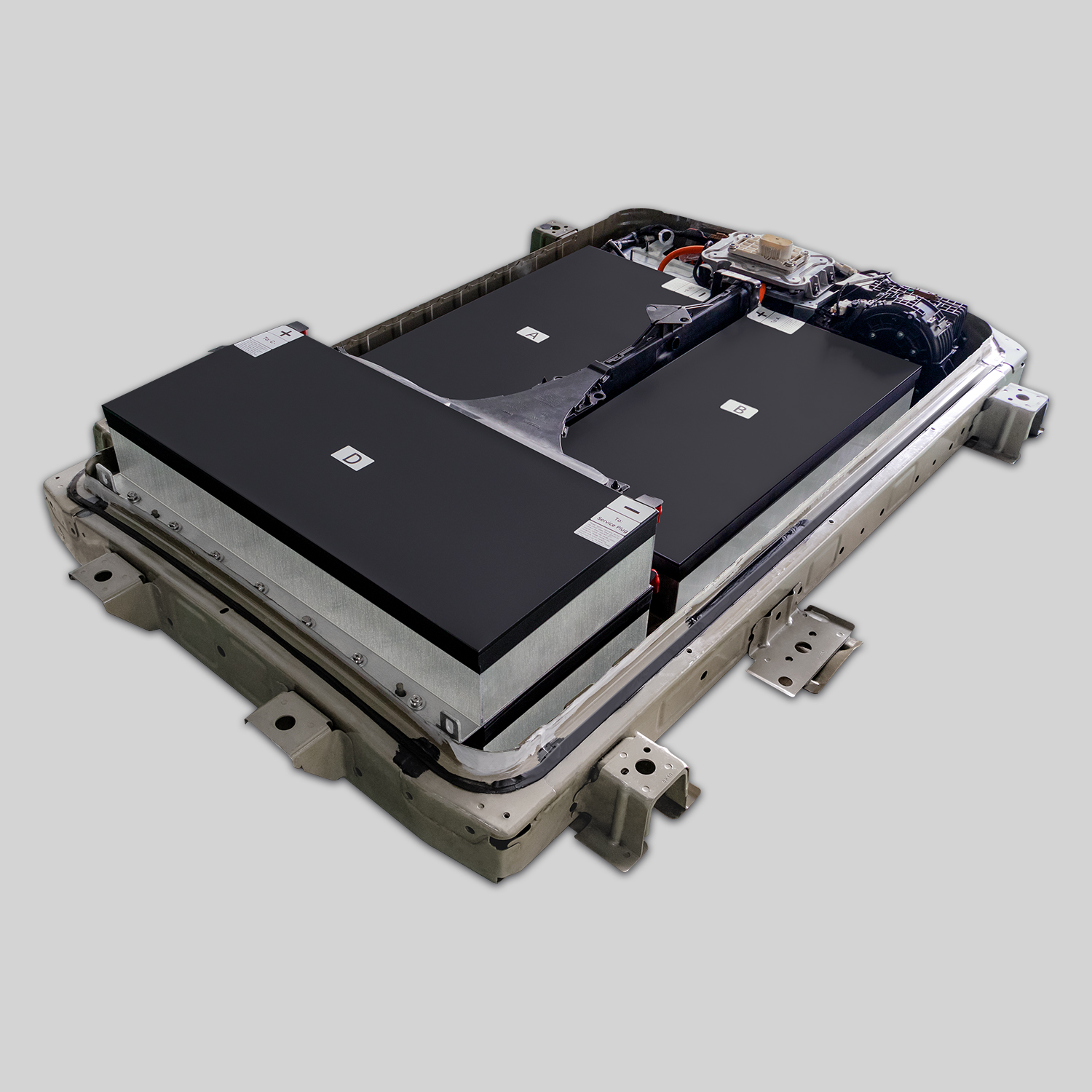
When your Nissan Leaf Plus (or any Leaf model) starts showing signs of battery degradation, the search for a replacement begins. You might have stumbled upon “VIVNE” or similar generic aftermarket brands while looking for a budget fix. However, as an expert in electric vehicle powertrains, I advise a critical approach. VIVNE is often associated with used, recycled, or refurbished battery modules sourced from scrap yards. While they might seem cheaper upfront, they carry significant risks regarding lifespan and safety.
This guide will help you navigate the crucial differences between choosing a brand-new, OEM-standard Leaf Plus battery (like those engineered by CNS Battery) and the gamble of using VIVNE recycled modules. We will focus on long-term value, safety, and performance restoration.
⚠️ The Hidden Danger: “New” vs. “Recycled” Cells
Before diving into the comparison, it is vital to understand the core difference in cell quality, as this dictates the entire lifespan of your battery pack.
| Feature | Brand New Cells (OEM/CNS Standard) | Recycled/Used Cells (VIVNE/Scrap Yard) |
|---|---|---|
| Origin | Factory-fresh from Tier-1 suppliers (e.g., CATL). | Salvaged from报废 (scrap) vehicles. |
| Cycle Life | 3000+ Cycles (Designed for 8-10 years). | 500-1000 Cycles (Already aged). |
| Risk | Minimal (Factory quality control). | High (Swelling, leakage, sudden death). |
| Performance | Full advertised range & power. | Reduced capacity & inconsistent discharge. |
The Verdict: VIVNE modules are essentially a “second-hand” product. While a brand-new battery from a reputable manufacturer like CNS Battery uses brand-new CATL cells, VIVNE relies on cells that have already endured years of wear and tear. You are not just buying cells; you are buying someone else’s battery history.
🛠️ Why “DIY” with VIVNE Modules is a Costly Mistake
Many users are lured into buying VIVNE modules because they are marketed as a “DIY” solution for Nissan Leafs. However, there are three critical technical barriers that often lead to failure:
1. The BMS (Battery Management System) Compatibility
The Nissan Leaf BMS is highly proprietary. Simply plugging in VIVNE modules will not work. The BMS constantly monitors cell health (SOH). If the new-old-stock modules do not perfectly match the BMS parameters (which they rarely do), the car will throw error codes, limit power, or refuse to charge. Reprogramming the BMS requires specialized equipment and expertise that VIVNE sellers rarely provide adequate support for.
2. The Cell Chemistry Mismatch
Nissan Leaf batteries use specific Lithium Nickel Manganese Cobalt Oxide (NMC) chemistry. VIVNE modules often mix batches or use mismatched cells to cut costs. When cells with different internal resistances are welded together, it creates a “weakest link” scenario. One bad cell can drag down the entire pack, leading to rapid degradation or thermal runaway.
3. The Quality of Assembly
Rebuilding a battery pack requires industrial-grade laser welding and严格的 (strict) insulation testing. VIVNE modules are often assembled in facilities without these standards. Poor welding leads to high resistance points, which generate heat and are a primary cause of battery fires in aftermarket replacements.
🏆 The Superior Choice: Upgrading to a CNS Battery Pack
If you own a Nissan Leaf (including the Leaf Plus variants like ZE1, AZE0, or ZE0) and are considering your options, choosing a complete, professionally engineered solution is the only way to guarantee safety and range.
At CNS Battery, we specialize in OEM-compatible powertrains designed specifically for Nissan and BMW models. Here is why our solution is the direct competitor to risky aftermarket parts:
- Zero Used Cells Policy: We utilize brand-new, Grade-A cells sourced directly from CATL, the same tier-one supplier used by major automakers. This ensures your battery has a full lifespan ahead of it, not a second life.
- Plug-and-Play Engineering: Our packs are designed to match the OEM footprint and communication protocols perfectly. There is no guesswork with BMS programming; it integrates seamlessly with your Leaf.
- Unbeatable Warranty: We back our engineering with a 2-year / 80,000 km warranty. Compare this to VIVNE, which usually offers no warranty or a very short one because they cannot guarantee the lifespan of recycled cells.
- Cost Efficiency: While brand new, our packs cost roughly 50% less than a dealership replacement. This provides the best value: the safety of a new car battery at a fraction of the price.
📝 Expert Advice: How to Choose the Right kWh for Your Leaf
Whether you are replacing a 40kWh, 62kWh, or looking for a Long Range option for your Leaf Plus, the process should be simple:
- Identify Your Model: Determine if you have a ZE0, AZE0, or ZE1 chassis.
- Assess Your Range Needs: For daily commuters, a 40kWh or 50kWh might suffice. For road trips and peace of mind, consider upgrading to a 62kWh or 68kWh high-capacity pack.
- Verify Compatibility: Do not trust generic listings. Use a service that verifies compatibility based on your VIN.
Do not settle for recycled scrap. Your Nissan Leaf deserves the reliability of a new power source. If you are tired of searching for “Leaf Plus battery vs VIVNE” and want a definitive answer, get a free quote for a custom-engineered solution today.
Get Your Free Custom Quote Now
❓ Frequently Asked Questions (FAQ)
Q1: Can I really install a new battery myself, or do I need a mechanic?
While we provide detailed video tutorials and color-coded connectors, we strongly recommend installation by a certified technician. Handling high-voltage EV batteries requires specific safety gear and knowledge of BMS integration to avoid voiding the warranty.
Q2: Why are VIVNE modules so much cheaper than a full CNS pack?
VIVNE modules are cheap because they are made from discarded materials. There is no R&D cost, no new cell cost, and minimal quality control. You are paying for scrap value, not engineering value.
Q3: What happens if the capacity drops during the warranty period?
Our warranty covers performance degradation. If your battery drops below 70% capacity within the 2-year or 80,000 km period (whichever comes first), we provide free replacement or repair.
Q4: Do you ship internationally?
Yes, we offer DDP (Delivered Duty Paid) shipping to over 50 countries. We handle all customs compliance for lithium-ion batteries, making the import process smooth for you.