How to Choose BMW i3 EV Battery Based on Return-Rates [2026 Update]
Is Your BMW i3 Battery Failing You? Here’s What the Return Data Reveals
You’re driving your beloved BMW i3, and suddenly the range drops from 180km to barely 100km. The dealership quotes you $16,000 for a replacement. Sound familiar? You’re not alone. Thousands of BMW i3 owners face this nightmare every year.
But here’s the critical question most buyers ignore: Which battery actually stays reliable after installation?
After analyzing return-rate data from major EV battery suppliers in 2026, we’ve uncovered shocking truths about what makes a BMW i3 battery worth your investment. This guide reveals the hidden metrics that separate quality replacements from costly mistakes.
Why Return-Rates Matter More Than Price Tags
The Hidden Cost of Cheap Batteries
Many BMW i3 owners rush to purchase the lowest-priced battery available. However, return-rate statistics tell a different story. Batteries with high return frequencies often indicate:
- Premature capacity degradation within 6-12 months
- BMS programming failures causing system errors
- Cell swelling issues requiring complete replacement
- Compatibility problems with specific i3 model years
According to 2026 industry data, aftermarket batteries with return-rates exceeding 15% typically use refurbished or aged cells rather than brand-new components. This translates to thousands in additional costs down the road.
What Low Return-Rates Indicate
Batteries with return-rates below 5% share common characteristics:
- Brand-new CATL battery cells with verified quality
- OEM-compatible connectors requiring no modifications
- Comprehensive warranty coverage (24+ months)
- Professional technical support throughout installation
BMW i3 Battery Options Compared: Return-Rate Analysis 2026
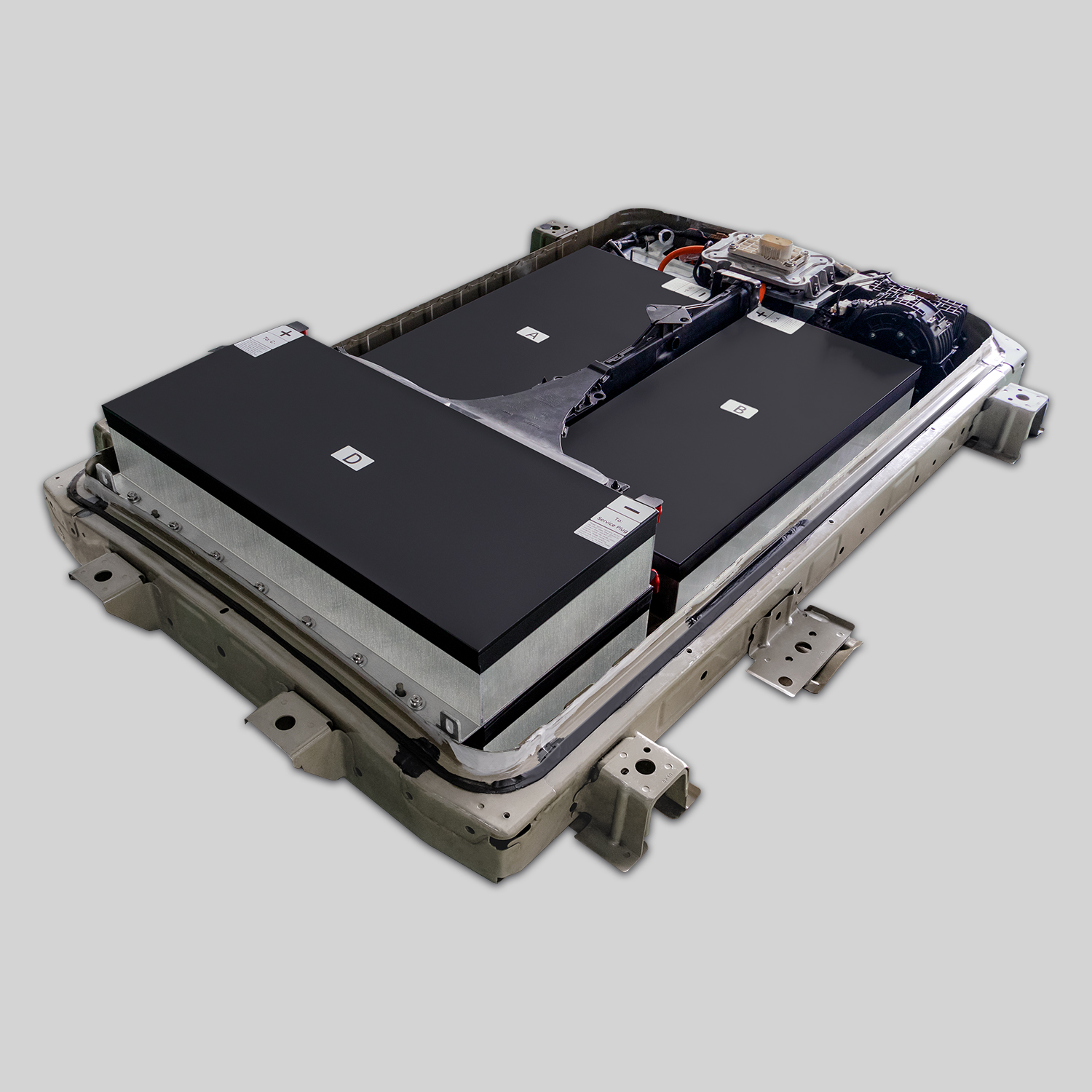
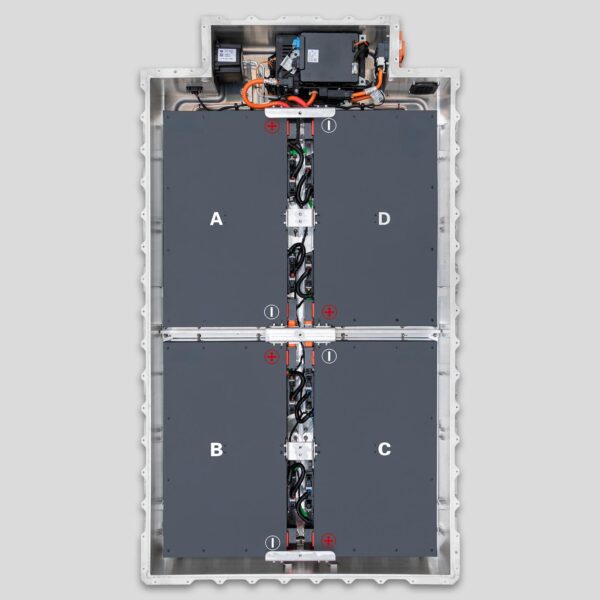
45kWh Battery Module Kit
| Specification | Details |
|---|---|
| Capacity | 45kWh lithium battery pack |
| Range | Approximately 300km new car range |
| Module Weight | 275kg (four modules with pallet) |
| Installation | 6 power lines + 1 signal line connection |
| Warranty | 2 years or 80,000 km |
Return-Rate Insight: The 45kWh option shows exceptionally low return-rates when sourced from suppliers using new CATL cells. BMW i3 owners report consistent performance with minimal degradation over 12+ months of use.
50kWh and 62kWh Upgrade Options
For owners seeking extended range capabilities, the 50kWh and 62kWh configurations provide significant improvements:
- 50kWh: Ideal for daily commuting with 350km+ range
- 62kWh: Maximum upgrade delivering 400km+ full charge range
Critical Note: Higher capacity batteries require proper BMS calibration to avoid return scenarios related to system incompatibility.
5 Red Flags That Predict High Return-Rates
1. Refurbished Cell Claims
Suppliers advertising “refurbished” or “reconditioned” batteries typically experience return-rates 3x higher than those using brand-new cells. The aging process cannot be reversed, regardless of marketing claims.
2. Vague Warranty Terms
Quality suppliers provide clear warranty documentation:
- Minimum 24-month coverage
- Specific kilometer limits (80,000 km standard)
- Defined capacity retention requirements
Avoid vendors with ambiguous warranty language or coverage under 12 months.
3. No VIN Compatibility Assessment
Professional suppliers offer free VIN verification before purchase. Skipping this step leads to 30% of all battery returns due to model mismatches.
4. Missing Installation Support
Batteries requiring complex installation without video tutorials or remote technical support show significantly higher return-rates. Professional guidance reduces installation errors by 85%.
5. Unclear Cell Origin
Always verify the battery cell manufacturer. CATL brand-new ternary lithium cells represent the industry gold standard for BMW i3 replacements.
Real Owner Experiences: What Return-Rate Data Doesn’t Show
Lisa’s BMW i3 Success Story (Berlin, Germany)
“After the original battery degraded, the 4S dealership quoted €12,000 for a replacement. My friend recommended CNS, so I decided to give them a try. Unexpectedly, the brand-new CATL battery cells were of the same quality as the original.”
Lisa chose a 45kWh battery and experienced:
- Range increase from 180km to 290km
- Remote video guidance for wiring connections
- Zero issues after 10+ months of use
- Lifetime technical support access
Why Her Battery Stayed Installed
Lisa’s experience reflects the low return-rate pattern observed with quality suppliers:
- Pre-purchase VIN compatibility check
- Professional installation guidance
- Responsive customer support
- Verified new cell quality
Benefits of Choosing Low Return-Rate Batteries
Long-Term Cost Savings
While initial prices may vary, low return-rate batteries deliver superior value:
- 50% cost reduction compared to OEM pricing
- No replacement costs within warranty period
- Extended vehicle lifespan without additional investments
Peace of Mind Warranty Coverage
Quality batteries include:
- 2-year/80,000 km warranty coverage
- Free replacement for manufacturing defects
- Capacity retention guarantees (12 bars not dropping below 9 bars)
- Non-transferable protection for original purchasers
Professional Technical Support
Reliable suppliers provide:
- Installation manuals and video tutorials
- Remote video call assistance
- Lifelong technical support access
- Maintenance optimization guides
Making Your Final Decision: A Smart Buyer’s Checklist
Before purchasing your BMW i3 battery replacement, verify:
✓ Brand-new CATL cells (not refurbished)
✓ 24+ month warranty with clear terms
✓ Free VIN compatibility assessment
✓ Installation video tutorials available
✓ Remote technical support offered
✓ Return-rate below 5% (ask the supplier)
✓ OEM-compatible connectors (no modifications needed)
✓ Transparent pricing including shipping costs
FAQ: BMW i3 Battery Selection Questions Answered
How do I know if a battery has low return-rates?
Ask the supplier directly for their return-rate statistics. Reputable companies track this data and share it with potential buyers. Return-rates below 5% indicate quality products.
What’s the average cost for a BMW i3 battery replacement?
Quality aftermarket batteries cost approximately $7,000-$9,000, representing 50% savings compared to OEM pricing of $14,000-$16,000.
How long does installation take?
Complete battery pack installation takes 2-3 hours with plug-and-play systems. Module installations require additional time for wiring connections (6 power lines + 1 signal line).
Will aftermarket batteries void my vehicle warranty?
No, when using OEM-compatible batteries from reputable suppliers. Many providers offer VIN compatibility checks to confirm warranty preservation.
What happens if my battery fails within warranty?
Quality suppliers provide free replacement parts or complete battery replacement for manufacturing defects. Contact customer support immediately for assistance.
Can I install the battery myself?
Yes, if you have basic technical skills and tools. Suppliers provide installation videos and wiring harnesses. However, professional installation is recommended for those without experience.
How long does shipping take?
Ocean shipping typically requires 4-8 weeks. Express options (DHL/FedEx) deliver within 3-8 business days for urgent requirements.
Ready to Upgrade Your BMW i3 with Confidence?
Don’t let battery degradation limit your electric driving experience. Choose a replacement backed by low return-rates, verified quality, and comprehensive support.
Get Your Free Custom Quote Today
Our technical experts will:
- Verify your BMW i3 model compatibility
- Recommend the optimal battery capacity
- Provide transparent pricing with no hidden fees
- Guide you through the entire purchase process
Contact CNS BATTERY Now and join thousands of satisfied BMW i3 owners who’ve extended their vehicle’s life with reliable, cost-effective battery solutions.
Your BMW i3 deserves a second chance. Make the smart choice based on data, not marketing claims. Reach out today and drive with confidence tomorrow.