Title: How to Avoid BMW i3 Battery Sustainability Scams: A Guide to Genuine Upgrades
Meta Description: Don’t fall victim to greenwashing. Learn how to spot fake “sustainable” BMW i3 battery solutions and where to find genuine, long-lasting replacements.
🚫 The Hidden Trap in “Sustainable” EV Upgrades
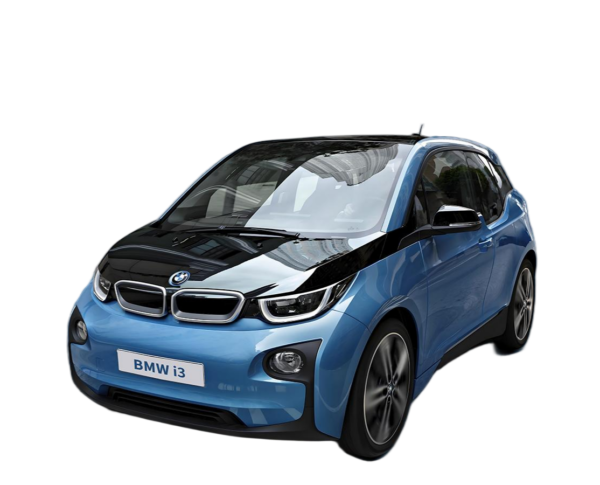
You love your BMW i3. It was supposed to be the sustainable choice—a car that didn’t just get you from point A to B, but did so cleanly and efficiently. But now, the battery is fading. The range is down, the dreaded “limp mode” is creeping in, and you’re looking for a fix.
Here is the harsh reality many owners face: Not all battery replacements are built for sustainability. In fact, the market is flooded with solutions disguised as “green” or “budget-friendly” that are actually ticking time bombs.
These are what we call “Sustainability Scams.” They promise a quick, cheap fix using recycled or refurbished cells, but they deliver the opposite of sustainability: waste, danger, and a second replacement cost in just 12 months.
As a specialist in EV powertrains, I see the aftermath of these scams every week. Let me show you how to spot them and where to find a solution that is truly sustainable.
🧐 What is a “Sustainability Scam”?
A “Sustainability Scam” isn’t just a lie about the environment. In the EV battery world, it refers to a specific practice: The repackaging of degraded, second-life, or “B-grade” cells as a “new” or “refurbished” battery pack.
Manufacturers of these scam batteries rely on a loophole. They argue that by reusing old cells, they are being “sustainable” and keeping waste out of landfills.
The truth? It is false economy.
- The “B-Grade” Lie: These cells are often pulled from other dead EVs. They are already 70% worn out before they are even put into your car.
- The 12-Month Death Sentence: Because the cells are degraded, the battery might work for a year, maybe two. Then, it swells, loses capacity, or fails completely.
- The Real Environmental Cost: When that battery dies, you have to dispose of it again. You haven’t saved the planet; you’ve just delayed the inevitable and created more waste.
True sustainability means using brand-new, high-cycle-life cells that will last 8-10 years, not recycling junk that lasts 12 months.
🚨 3 Red Flags of a “Greenwashing” Battery Seller
How do you know if the company you are looking at is selling a scam? Watch out for these warning signs.
1. The “Magic” Refurbishment Claim
If a seller claims they can “refurbish” your old battery back to 100% health by just replacing a few cells, run. Lithium-ion chemistry does not work like that. Cells degrade chemically. You cannot reverse time on a dead cell.
2. Vague Cell Sourcing
Do they tell you exactly who made the cells? Or do they use vague terms like “Grade A Recycled” or “High-Quality Used Stock”?
- 🚩 Scam: “Premium recycled cells” or “Eco-friendly reused stock.”
- ✅ Real Deal: “Brand new cells from CATL (Contemporary Amperex Technology Co. Limited).”
3. The “Too Good to Be True” Price
If the price is 70-80% lower than the original BMW part, ask yourself: How are they making money?
They aren’t using new materials. They are using labor to sort through junkyards. A new, high-quality battery should cost roughly 50% of the OEM price, not 20%.
🔍 How to Audit Your BMW i3 Battery Supplier
Before you hand over your money, you need to audit the supplier. Here is a simple checklist to separate the professionals from the scammers.
| Audit Point | ✅ Green Flag (Safe) | 🔴 Red Flag (Scam) |
|---|---|---|
| Cell Origin | Brand New cells from Tier-1 manufacturers (CATL, LG, Panasonic). | Recycled, used, or “B-Grade” cells sourced from scrapyards. |
| Warranty | 2 Years / 80,000 km (or similar long-term coverage). | 3 months, 6 months, or “Lifetime” (which usually means 1 year). |
| Documentation | Clear datasheets, safety certificates (UN38.3), and material safety data sheets. | No documentation, or they refuse to show you the cell markings. |
| Price | ~50% of the original BMW battery cost. | ~20-30% of the original cost (they are selling you trash). |
💡 Why Brand New is the Only “Green” Option
Let’s debunk the myth that “recycled is always better.”
At CNS BATTERY, we specialize in OEM-compatible replacements for the BMW i3 and Nissan Leaf. We use brand new CATL cells. Why is this actually better for the planet?
- Longevity: A new battery lasts 8-10 years. You buy it once, and you are done.
- Performance: It charges faster and holds energy efficiently. An inefficient battery (like a recycled one) wastes electricity trying to push power through degraded cells.
- Zero Defects: Recycled cells often have micro-damage. This leads to swelling and fire risk. A fire is the ultimate environmental disaster for a battery.
True sustainability is about durability, not just recycling.
🛠️ The CNS BATTERY Difference: Built for the Long Haul
We understand you don’t want to be scammed. That is why we operate differently.
1. CATL Cells: The Gold Standard
We don’t sort through junkyards. We partner with CATL, the world’s largest battery manufacturer. Our cells are the same quality you would find in a brand-new Tesla or BMW coming off the production line today. They are not “good enough”; they are the best.
2. The 2-Year/80,000km Warranty
We offer one of the longest warranties in the industry. Why? Because we know our batteries won’t fail in 12 months. If a company only offers a 6-month warranty, they know their product is going to fail soon.
3. OEM Precision Fit
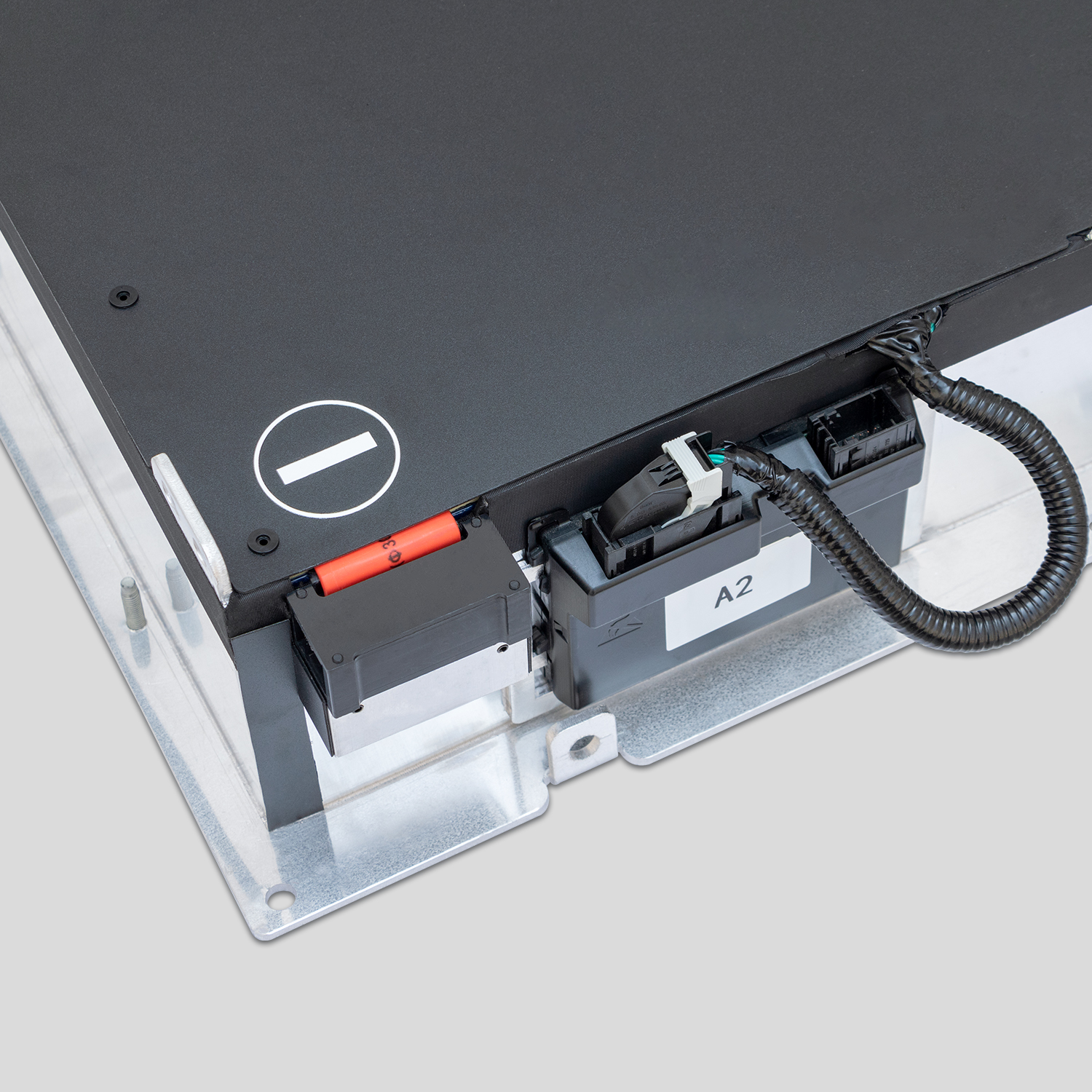
Our packs are engineered to fit your BMW i3 chassis perfectly. There is no hacking, no splicing wires, and no modifying brackets. It is a direct bolt-in replacement, just like the factory intended.
4. Real-World Results
Don’t take our word for it. Look at the data from our customers:
- Range: Restored to factory specifications (or upgraded).
- Safety: Zero swelling incidents due to brand-new cell chemistry.
- Cost: You save over 50% compared to the dealership, without the risk of a “recycled” scam.
📝 Your Action Plan: Avoiding the Scam
If you are ready to replace your BMW i3 battery, follow these steps to ensure you get a genuine, sustainable solution:
- Ask for the Source: Demand to know the cell manufacturer. If it isn’t CATL, LG, or Panasonic, walk away.
- Check the Warranty: If it isn’t at least 2 years, it isn’t built to last.
- Verify the Price: If it is too cheap, it is recycled junk.
- Get a VIN Check: Every car is slightly different. A professional supplier will ask for your VIN to ensure the pack matches your specific model year.
❓ Frequently Asked Questions (FAQ)
Q: Is a refurbished BMW i3 battery ever a good idea?
A: Generally, no. Refurbished batteries use old cells. These cells have a limited number of charge cycles left. You are essentially buying someone else’s worn-out car part. The risk of swelling, fire, and rapid capacity loss is too high.
Q: Why are new aftermarket batteries cheaper than BMW?
A: We save you money by cutting out the massive brand markup and dealer network fees. We focus on the core technology—the cells and the BMS—without the expensive logo. We use the same Tier-1 supply chain (CATL) but sell directly to you.
Q: How do I know if a battery is made from new cells?
A: You can usually see the manufacturing date code on the cell. Brand new cells will have a current date. Recycled cells will have dates from 5-10 years ago. Reputable sellers like CNS will provide certification of the cell batch.
Q: What happens if I buy a “green” recycled battery and it fails?
A: You are stuck. Most “recycled” batteries come with short warranties. When it fails, you have to pay for shipping (dangerous and expensive for lithium), disposal, and then buy a new battery anyway. You end up spending more money and creating more waste.
Ready to get your BMW i3 back on the road with a battery that actually lasts?
Don’t gamble with recycled junk. Get a quote for a genuine, brand-new BMW i3 battery replacement built to OEM standards.