How Much Does a New Nissan Leaf Battery Upgrade Save You?
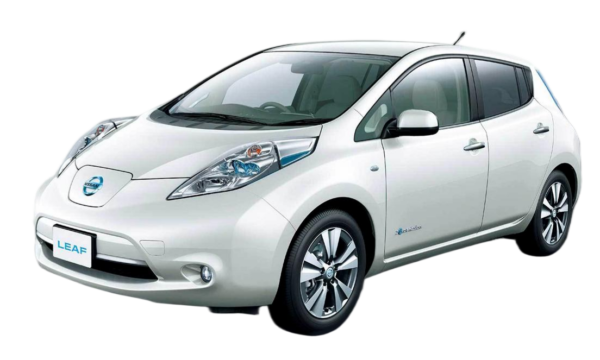
Is your Nissan Leaf struggling to make it to the grocery store? If your dashboard shows only a few battery bars left, you’re likely facing “range anxiety.” The good news is that you don’t have to trade in your reliable electric car for a new one. Replacing the old, degraded battery with a brand-new unit is often the smartest financial move.
This guide breaks down exactly how much money you can save by upgrading your Nissan Leaf battery with an aftermarket solution compared to buying a brand-new vehicle or an OEM battery.
The Cost of Doing Nothing
Before we look at the savings, let’s look at the problem. A Nissan Leaf with a degraded battery loses its primary value: the ability to drive electrically.
- Diminished Resale Value: A Leaf with a worn-out battery is worth a fraction of a Leaf with a fresh battery. Fixing the battery restores the car’s value.
- Rental & Transportation Costs: Without a reliable car, you might need to rent one or rely on ride-sharing, which adds up quickly.
Savings Breakdown: New Battery vs. New Car
The most significant saving comes from avoiding the depreciation hit of buying a new car.
The Financial Comparison
| Scenario | Estimated Cost (USD) | Long-Term Outcome |
|---|---|---|
| Buy a New Nissan Leaf | $30,000 – $35,000+ | You get a new car but pay massive depreciation immediately. |
| Replace Battery (OEM) | $12,000 – $16,000 | You keep your old car but pay nearly half the price of a new one. |
| Replace Battery (Aftermarket) | $6,000 – $8,500 | You keep your car and save $20,000+ compared to a new car. |
The Verdict: By choosing a battery replacement, you effectively “buy” a brand-new electric car for roughly 20-25% of the actual price. This is the single biggest saving you can make in the automotive world.
Saving Thousands on the Replacement Cost Itself
Even within the realm of battery replacements, there are significant savings to be found.
OEM vs. Aftermarket Pricing
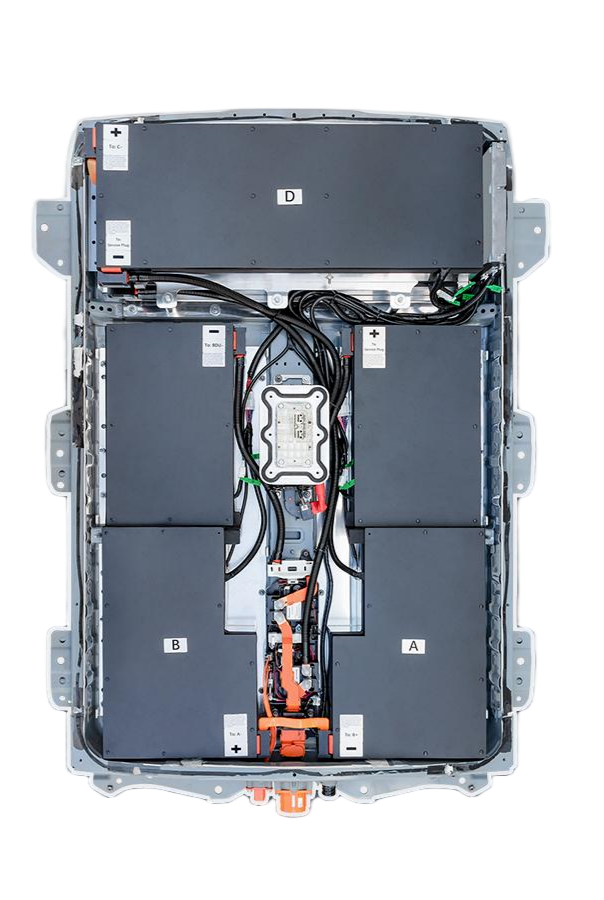
Original Equipment Manufacturer (OEM) batteries are notorious for their high cost. Dealerships often charge a premium because they can. However, the technology inside third-party batteries (like those from top-tier suppliers) is often identical or superior in terms of cycle life.
- OEM Price: Expect to pay upwards of $12,000 for a 40kWh or 62kWh replacement at a dealership.
- Aftermarket Price: High-quality aftermarket manufacturers offer the same capacity for roughly $6,000 to $8,000.
- The Saving: You save $4,000 to $6,000 just by choosing a direct-from-factory supplier instead of a dealership markup.
Avoiding Hidden Fees and Complex Labor
When you buy from a dealership, you aren’t just paying for the part; you are paying for their labor, overhead, and middleman markups.
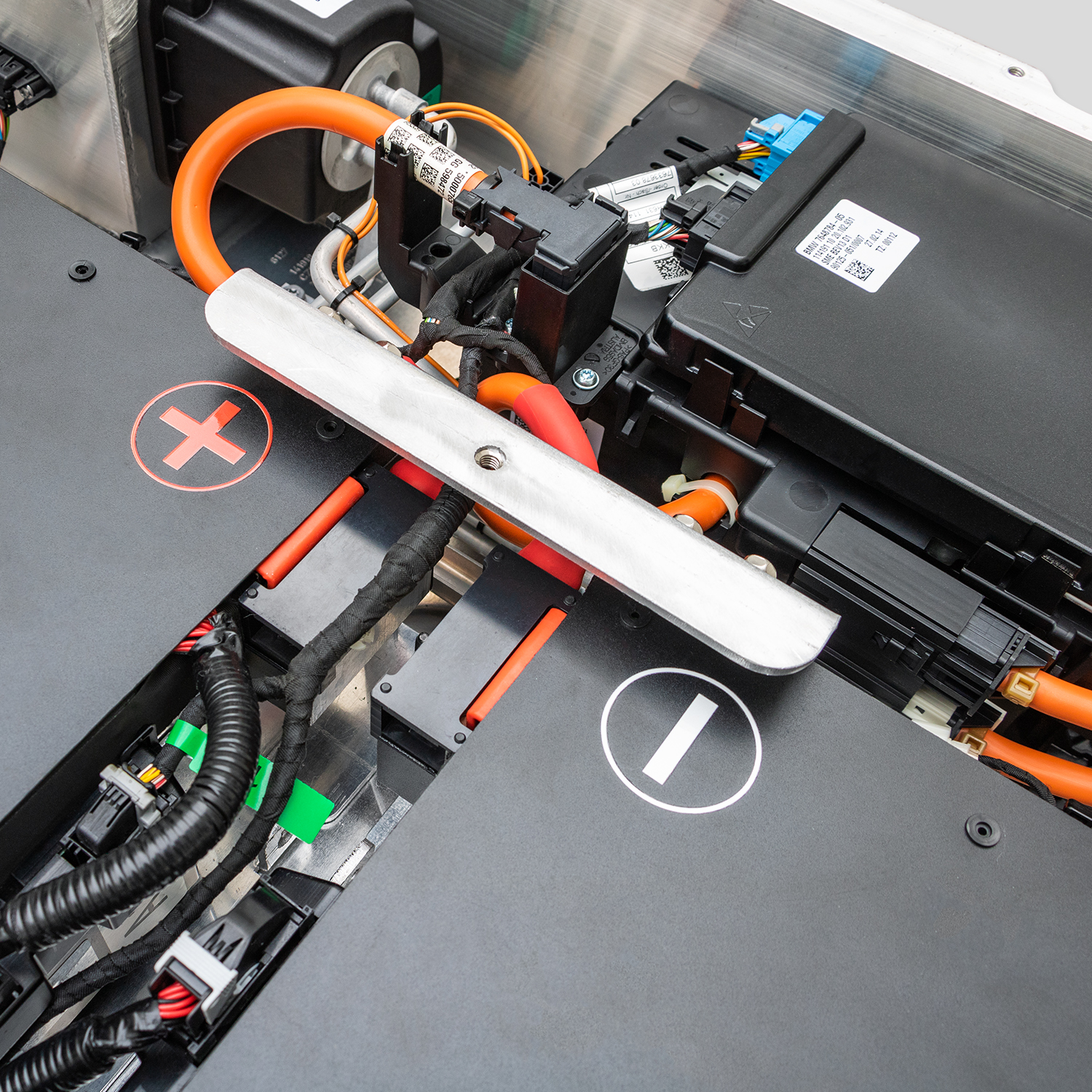
- DIY Potential: Many aftermarket batteries are designed for “Plug and Play” installation. If you have a mechanic friend or are somewhat handy, you can save on labor costs, which can range from $800 to $1,500 at a shop.
- Simplified Logistics: Buying directly often means the battery is shipped to your door in a crate, ready for installation, bypassing multiple handling fees.
Restoring Your Range and Efficiency
There is another form of “saving” that isn’t just about the upfront cash—it’s about performance.
Many owners upgrade from a 24kWh or 30kWh battery to a 40kWh or 62kWh unit. This isn’t just a repair; it’s an upgrade.
- Range Restoration: A new battery doesn’t just fix the degradation; it gives you the full range the car was designed for.
- Charging Efficiency: New batteries charge faster and hold voltage better than old, degraded packs, saving you time at the charger.
The Best Value: New Cells vs. Refurbished
It is crucial to understand what you are buying to ensure your savings aren’t wasted.
Some companies sell “refurbished” batteries. These are old batteries pulled from salvage cars. While they might cost $2,000 to $3,000 less than a new aftermarket battery, they come with risks:
- Unknown History: You don’t know how the previous owner drove or charged the cells.
- Short Lifespan: Refurbished cells are already halfway through their life. You might need to replace them again in 1-2 years.
- Safety Risks: Old cells are more prone to swelling or failure.
The Smart Saving: Paying a bit more for a brand-new battery pack built with fresh cells (like CATL cells commonly used in high-quality aftermarket builds) saves you money in the long run because you won’t have to replace it again soon.
Frequently Asked Questions
1. Is it worth replacing a Nissan Leaf battery?
Absolutely. If your car is mechanically sound, replacing the battery is almost always cheaper than buying a new car. It restores the car’s usability and resale value.
2. How much does it cost to replace a Nissan Leaf 40kWh battery?
At a dealership, expect to pay over $12,000. From a reputable aftermarket supplier, the price typically ranges between $6,000 and $8,000, depending on the brand and warranty included.
3. Can I install the battery myself to save money?
Yes. Many aftermarket suppliers design their batteries for professional mechanics, but experienced DIYers with the right tools (and a video guide) can install them. This can save you $800 to $1,500 in labor costs.
4. How long will a new aftermarket battery last?
A brand-new aftermarket battery using high-quality cells should last 8-10 years or more, similar to the original factory battery. Always check the warranty offered by the supplier.
Ready to Save on Your Leaf Revival?
Don’t let a dead battery force you into a costly new car payment. Upgrading your Nissan Leaf battery is the most cost-effective way to get back on the road with full electric range.
If you are ready to get your personalized quote and find out exactly how much you can save, contact our technical experts today.