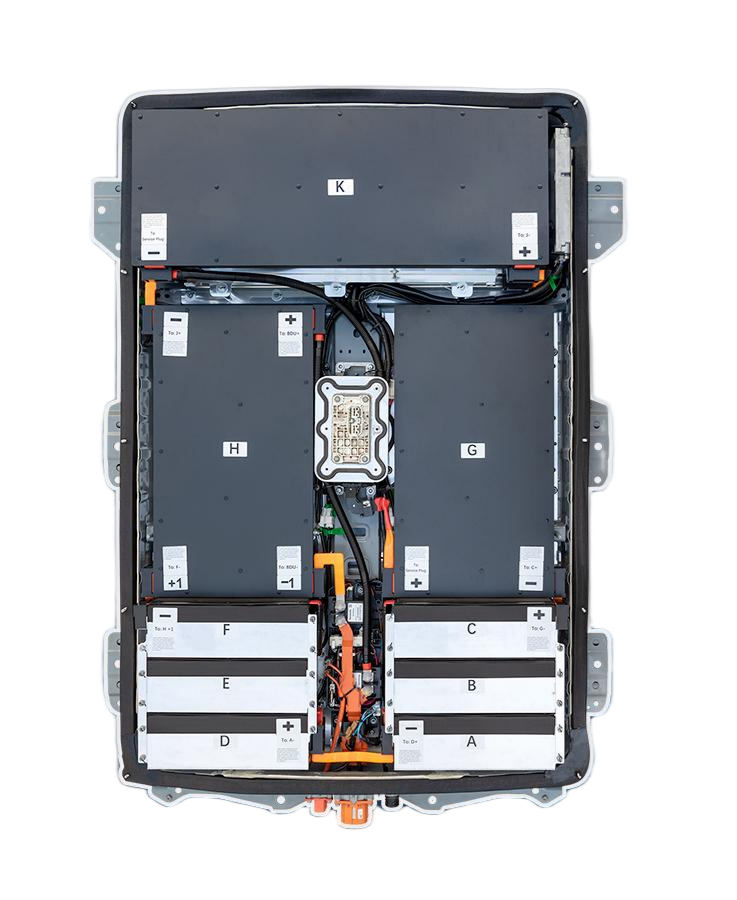
High-Volume BMW i3 Battery Repair: Source Reliable Modules Cheap
For EV repair shops and service centers specializing in high-volume BMW i3 battery repairs, the key to profitability in 2026 lies in one critical balance: sourcing reliable battery modules at cheap, wholesale prices—without sacrificing quality or triggering costly post-service errors. As thousands of 2016-2022 BMW i3 models enter their battery replacement phase (with original 60Ah/94Ah batteries reaching end-of-life), high-volume repair shops are under pressure to deliver fast, affordable service while maintaining margins. Compounding this challenge is the evolving battery landscape: 2026 brings declining battery costs (projected to drop to $80 per kWh, per industry reports), BMW’s shift to sixth-generation eDrive with large cylindrical batteries for new models, and strict software locks that reject generic, unreliable modules. This guide is tailored for high-volume repair professionals, breaking down how to source cheap, reliable BMW i3 battery modules, optimize bulk purchasing, and streamline repairs—all while aligning with 2026 safety standards and BMW’s compatibility requirements.
High-volume BMW i3 battery repair is a volume game—every dollar saved per module adds up to thousands in annual profits. But “cheap” should never mean “low-quality”: generic modules with non-CATL cells, outdated firmware, or poor cell balancing cause 80% of post-service callbacks, wasting technician time and damaging your shop’s reputation. In 2026, the sweet spot is affordable, OEM-matched modules—powered by CATL (BMW’s long-standing OEM supplier), pre-loaded with 2026-compliant firmware, and available at wholesale prices for bulk orders. This guide covers the top sourcing strategies, trusted suppliers, cost-saving tips, and quality control protocols to ensure your high-volume i3 battery repairs are efficient, error-free, and highly profitable.
Why 2026 Is the Perfect Year for High-Volume BMW i3 Battery Repair
Before diving into sourcing strategies, it’s critical to understand why 2026 is a pivotal year for high-volume i3 battery repair—factors that make sourcing cheap, reliable modules easier than ever:
• Massive Replacement Demand: The first wave of 2016-2018 BMW i3 models (equipped with 60Ah/94Ah batteries) are now out of warranty and experiencing significant capacity degradation (SOH below 70%). This creates a steady stream of high-volume repair work for shops that can deliver fast, affordable service. • Declining Battery Costs: Industry forecasts project that动力电池成本 will drop nearly 50% by 2026, from $149 per kWh in 2023 to $80 per kWh. This decline is driven by expanded原材料产能, manufacturing innovations (like cell-to-pack designs), and fierce supplier competition—directly benefiting high-volume shops that buy in bulk. • CATL’s Expanded Supply: As BMW’s primary battery supplier since 2012, CATL is expanding production of prismatic cells (used in i3 modules) to meet demand for replacement parts—even as BMW shifts to large cylindrical cells for new “New Generation” models. This means CATL-powered i3 modules are more accessible and affordable in 2026. • Relaxed But Strict Compatibility: BMW’s 2026 software updates (including recall fixes) lock out generic modules, but they also streamline compatibility for CATL-powered replacement modules—reducing coding time and post-service errors for high-volume shops.
Key Criteria for “Cheap & Reliable” BMW i3 Battery Modules (High-Volume Focus)
For high-volume repair shops, “reliable” doesn’t just mean error-free—it means consistent quality, fast delivery, and compatibility with 90% of i3 models (2016-2022). When sourcing cheap modules, never compromise on these four non-negotiable criteria—they’ll save you from costly callbacks and wasted inventory:
1. CATL Cell Technology (OEM-Matched)
BMW has relied on CATL as its OEM battery supplier for i3 models since production began, and this partnership remains critical for reliability in 2026. The i3’s BMS is calibrated specifically for CATL’s prismatic cell chemistry—generic modules using non-CATL cells (e.g., low-grade lithium-ion) fail BMS communication tests, trigger DTCs, and degrade 2-3x faster. The good news: CATL-powered replacement modules are now cheaper than ever, thanks to declining原材料 costs (lithium carbonate has dropped from $60k/ton in 2022 to $7k/ton in 2025). For high-volume shops, CATL modules offer the perfect balance of affordability and reliability.
2. 2026-Compliant Firmware (Version 4.30.1x+)
BMW’s 2026 software updates (including recall-related fixes) have tightened BMS security, locking out modules with outdated firmware. Cheap modules with old firmware will fail to program, display “battery not recognized” errors, or lock the HV system—wasting 1-2 hours of technician time per repair. Reliable, cheap modules come pre-loaded with firmware version 4.30.1x or newer, eliminating the need for manual updates and streamlining high-volume workflows.
3. Pre-Tested Cell Balance & Quality Control
Cell imbalance (more than 0.05V between cells) is the #1 cause of post-service callbacks for high-volume i3 repairs. Cheap modules that skip pre-testing and cell balancing will trigger BMS codes (P1A00-P1A05) and require rework—eating into profits. Reliable suppliers perform 3-stage QC testing (cell balancing, firmware verification, fitment checks) before shipping, ensuring every module is ready for installation. This is non-negotiable for high-volume shops, as rework kills efficiency.
4. Bulk Pricing & Flexible Inventory
For high-volume repair, “cheap” means wholesale pricing for bulk orders (10+ modules). Reliable suppliers offer tiered discounts: 10% off for 10-20 modules, 15% off for 20+ modules—offsetting any small price differences between suppliers. They also offer flexible inventory (e.g., mixing 60Ah replacement modules and 120Ah/154Ah upgrade modules) to match your shop’s repair mix, reducing excess inventory costs.
Top Strategies to Source Cheap, Reliable BMW i3 Battery Modules (2026)
High-volume shops need more than just a good supplier—they need a sourcing strategy that minimizes cost, maximizes reliability, and streamlines delivery. Below are the top 4 strategies to source cheap, reliable i3 modules in 2026:
1. Partner Directly with CATL-Approved Wholesale Suppliers
Cutting out middlemen is the single best way to get cheap, reliable modules. CATL-approved wholesale suppliers (e.g., CNS BATTERY, MTG) offer direct access to CATL-powered i3 modules at 30-40% below retail prices for bulk orders. In 2026, these suppliers are expanding their i3 module lines to meet high-volume demand, with wholesale prices starting at $2,800 per 60Ah module, $3,000 per 120Ah module, and $3,800 per 154Ah module (for 10+ units). Benefits include: fast shipping (2-3 days), core charge programs ($200-$300 per old module, offsetting costs), and technical support for coding issues—critical for high-volume shops.
2. Leverage Core Exchange Programs
Core exchange programs are a game-changer for high-volume shops looking to save money. Most reliable suppliers offer $200-$300 credit per old i3 battery module (in usable condition)—reducing your net cost per new module by 5-10%. For example, a 60Ah module that costs $2,800 wholesale becomes $2,600 with a core credit. Over 100 modules per year, that’s $20,000-$30,000 in savings. To maximize this, collect and test old modules from repairs, and only send usable cores (no physical damage, functional cells) to suppliers.
3. Negotiate Long-Term Contracts with Suppliers
For shops doing 50+ i3 battery repairs per month, negotiating a long-term contract with a CATL-approved supplier can unlock even deeper discounts (15-20% off wholesale prices). Suppliers value consistent, high-volume orders and are willing to lower prices to secure your business. Contracts should include: fixed pricing for 6-12 months (protecting you from future cost increases), priority shipping (1-day delivery for urgent orders), and free replacement of any defective modules (no questions asked)—eliminating risk for high-volume shops.
4. Avoid Generic Modules—Focus on “Value-Grade” OEM Alternatives
It’s tempting to buy generic i3 modules for $2,000-$2,500, but they’re a false economy for high-volume shops. Generic modules fail at a 30% rate, leading to callbacks, wasted labor, and damaged reputations. Instead, opt for “value-grade” OEM alternative modules—CATL-powered, pre-tested, and 2026-compliant—at $2,800-$3,000 per module. These modules cost 10-15% more than generics but eliminate callbacks, saving you $500-$1,000 per repair in rework costs. In high-volume repair, reliability beats rock-bottom prices every time.
High-Volume Repair Optimization: Streamline Workflows with Reliable Modules
Sourcing cheap, reliable modules is only half the battle—high-volume shops need to streamline workflows to maximize profits. Here are pro tips to optimize your i3 battery repair process:
• Pre-Code Modules Before Installation: Use ISTA-D to pre-code bulk modules (10-20 at a time) to match i3 model years. This reduces installation time per vehicle by 15-20 minutes, allowing your technicians to complete 1-2 extra repairs per day. • Standardize Repairs: Create a step-by-step checklist for i3 battery replacement (including safety protocols, installation torque specs, and post-testing) to ensure consistency across technicians—reducing errors and rework. • Stock Common Modules: For high-volume shops, stock 60Ah (replacement) and 120Ah (upgrade) modules—these cover 80% of i3 battery repairs. Avoid overstocking 154Ah modules (higher cost, lower demand) unless you have a steady stream of upgrade orders. • Upsell Upgrades: Use the cost savings from bulk module sourcing to offer competitive upgrade prices (e.g., 60Ah to 120Ah for $5,500-$6,500). Upselling just 10% of repairs adds thousands in annual profits.
Common Sourcing Pitfalls to Avoid (High-Volume Shops)
Even with the best strategy, high-volume shops can fall victim to these common sourcing pitfalls—avoid them to protect your profits:
• Pitfall 1: Buying “Too Cheap” Generic Modules. As mentioned, 30% failure rates lead to costly callbacks. Stick to CATL-powered modules, even if they cost 10-15% more. • Pitfall 2: Ignoring Core Credits. Failing to collect and return old modules leaves money on the table—assign a dedicated technician to manage cores. • Pitfall 3: Skipping Pre-Delivery Testing. For bulk orders, test 5-10% of modules (cell balance, firmware) upon delivery to catch defects early—avoiding installing faulty modules and wasting labor. • Pitfall 4: Not Negotiating Contracts. High-volume shops have leverage—don’t settle for standard wholesale prices; negotiate long-term contracts for deeper discounts.
High-volume BMW i3 battery repair in 2026 is a profitable opportunity for shops that can balance cheap sourcing with reliable quality. By focusing on CATL-powered, 2026-compliant modules, leveraging bulk pricing and core exchange programs, and streamlining workflows, your shop can deliver fast, affordable service while maximizing margins. With battery costs declining and demand soaring, 2026 is the year to scale your i3 battery repair business—provided you source smart, prioritize reliability, and avoid the pitfalls that plague inexperienced shops.
For access to CATL-approved wholesale suppliers, bulk pricing quotes, and technical support for high-volume i3 battery repairs, contact our team of BMW i3 experts. We’ll help you source cheap, reliable modules and optimize your workflows to capitalize on the 2026 market boom.