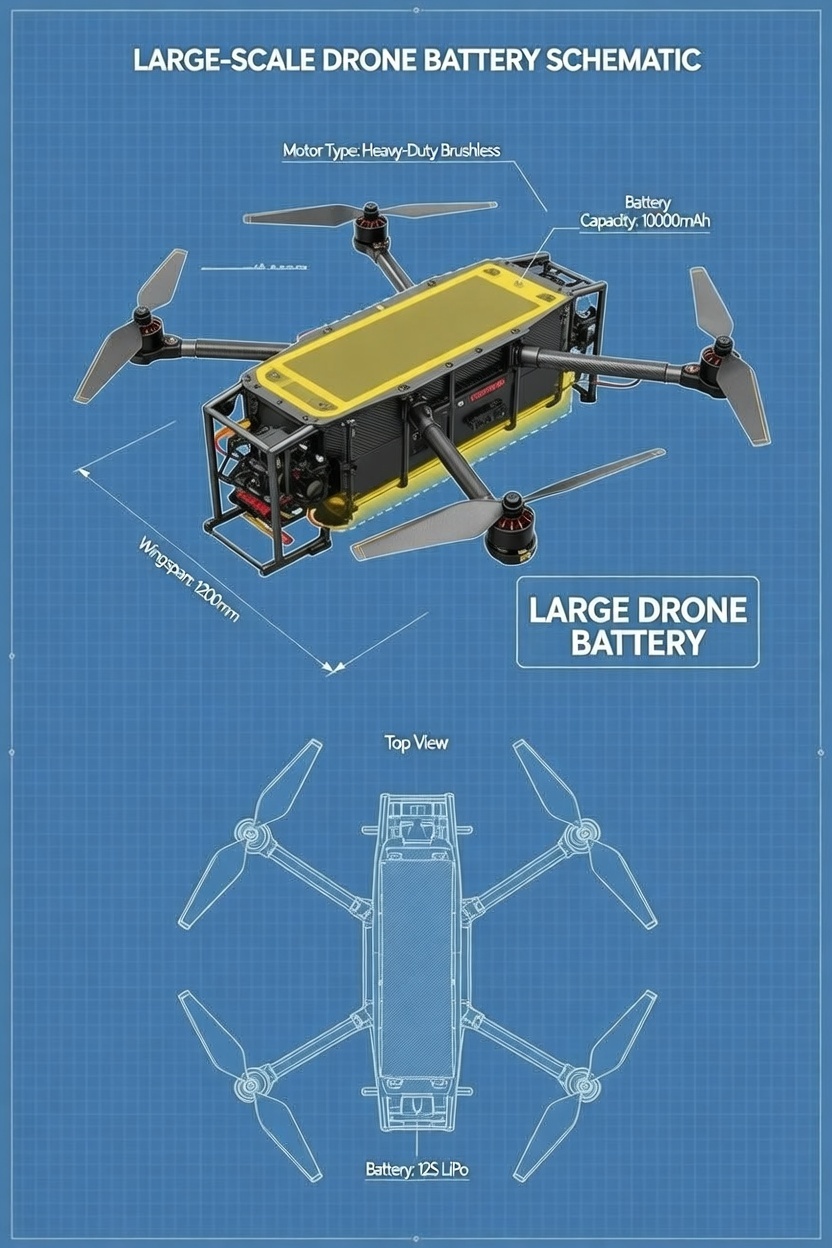
In the rapidly evolving world of precision agriculture, drone technology has become indispensable for modern farming operations. However, behind every successful agricultural drone flight lies a critical component that often goes unnoticed until it fails: the battery. For agricultural operators managing large-scale farming operations, choosing the right drone battery supplier isn’t just about capacity or price—it’s about safety, compliance, and reliability. The challenge? With countless suppliers claiming premium quality, how do you identify those who truly prioritize safety certifications that protect your investment, your crew, and your operation?
The Critical Importance of Safety Certifications in Agricultural Drone Batteries
Agricultural drones operate in demanding environments—exposed to dust, moisture, temperature fluctuations, and continuous heavy loads during crop spraying, field mapping, or monitoring activities. Unlike consumer drones, agricultural UAVs require batteries that can withstand rigorous daily use while maintaining strict safety standards.
Why Safety Certifications Matter More Than Ever in 2026
The global regulatory landscape for lithium batteries has intensified dramatically. As of 2026, several key regulatory changes have reshaped the industry:
- EU Battery Regulation: The European Union’s new battery law entered substantive enforcement in 2026, requiring battery passports for industrial batteries over 2kWh
- IATA DGR 67th Edition: New air transport regulations effective January 1, 2026, introduced stricter classification and packaging requirements for lithium battery-powered vehicles
- UN38.3 Updates: Enhanced testing protocols now mandate comprehensive documentation including MSDS reports, UN38.3 test reports, and air/sea transport identification reports
According to industry experts, batteries lacking proper certifications face significant risks including customs detention, transportation rejection, and potential liability issues in case of incidents.
Essential Safety Certifications Every Agricultural Drone Battery Should Have
When evaluating agricultural drone battery suppliers, understanding the certification landscape is crucial for making informed decisions. Here are the non-negotiable certifications that demonstrate a supplier’s commitment to safety and quality.
UN38.3: The Global Transportation Safety Standard
UN38.3 certification remains the fundamental requirement for any lithium battery involved in international transportation. This United Nations standard ensures batteries can safely withstand the rigors of air, sea, and land transport.
The Eight Critical UN38.3 Tests Include:
- Altitude Simulation: Tests battery integrity at 11.6kPa pressure (equivalent to 15,000 meters altitude)
- Thermal Cycling: Evaluates performance through extreme temperature changes from -40°C to 75°C
- Vibration Testing: Simulates transportation vibration conditions
- Shock Testing: Assesses resistance to sudden impacts
- External Short Circuit: Tests protection against external short circuits
- Impact/Crush Testing: Evaluates structural integrity under mechanical stress
- Overcharge Testing: Verifies protection against overcharging
- Forced Discharge Testing: Tests safety during forced discharge conditions
IEC 62133: International Safety Standard for Portable Batteries
IEC 62133 represents the international benchmark for portable sealed secondary cell safety. For agricultural drone batteries, this certification demonstrates compliance with rigorous safety requirements covering design, manufacturing, and usage scenarios.
Key IEC 62133 Test Categories:
- Cell-Level Testing: Continuous low-rate charging, vibration, temperature cycling, external short circuit, free fall, impact, thermal abuse, crush, low pressure, overcharge, forced discharge
- Battery-Level Testing: Vibration, high-temperature housing stress, temperature cycling, external short circuit, free fall, impact, marking and packaging, overcharge protection
ISO 9001: Quality Management System Certification
While not battery-specific, ISO 9001 certification indicates a supplier maintains consistent quality management processes throughout manufacturing. This certification ensures traceability, continuous improvement, and systematic quality control—critical factors for agricultural operators requiring reliable battery performance across entire fleets.
Case Study: How Proper Certification Prevented Operational Disaster
In early 2025, a large-scale agricultural operation in Brazil experienced a critical situation that highlights the importance of certified battery suppliers. The farm, managing over 50,000 hectares of soybean and corn fields, relied on a fleet of 25 agricultural drones for crop monitoring and precision spraying.
The Challenge:
The operation initially partnered with a budget battery supplier offering competitive pricing but lacking comprehensive safety documentation. During peak harvesting season, three batteries failed unexpectedly, causing:
- Complete mission aborts during critical crop monitoring windows
- Potential safety incidents when one battery showed thermal runaway symptoms
- Customs delays when attempting to import replacement batteries without proper UN38.3 documentation
The Solution:
After consulting with battery safety experts, the operation switched to a certified supplier providing complete documentation including UN38.3, IEC 62133, and ISO 9001 certifications. The results were transformative:
- Zero battery-related mission failures over the following 18-month period
- Seamless international shipments with complete regulatory compliance
- Reduced total cost of ownership despite higher initial battery costs, due to improved reliability and longevity
- Enhanced insurance coverage as certified batteries qualified for better risk assessment
This case demonstrates that safety certifications aren’t merely regulatory checkboxes—they’re practical investments in operational continuity and risk management.
Key Factors When Selecting Agricultural Drone Battery Suppliers
Choosing the right supplier requires evaluating multiple dimensions beyond certification documentation alone. Here’s what experienced agricultural operators should consider:
Technical Performance Criteria
- Energy Density: Higher Wh/kg ratios enable longer flight times and reduced battery weight
- Cycle Life: Quality agricultural batteries should deliver 500+ complete charge cycles while maintaining 80% capacity
- Discharge Rate: C-ratings must match drone power requirements, typically 5C-10C continuous discharge for agricultural applications
- Temperature Performance: Operational range should cover -20°C to 60°C for diverse climatic conditions
- BMS Quality: Battery Management Systems must provide comprehensive protection including cell balancing, overcharge/overdischarge protection, and thermal monitoring
Supplier Verification Checklist
✓ Request current certification documents with valid test report numbers
✓ Verify testing laboratory accreditation (ILAC, CNAS, or equivalent)
✓ Confirm battery passport availability for EU market compliance
✓ Review warranty terms and replacement policies
✓ Assess technical support responsiveness and expertise
✓ Evaluate production capacity and lead time consistency
✓ Check references from similar agricultural operations
Red Flags to Avoid
- Suppliers unable to provide original test reports (not just certificates)
- Certification documents with expired dates or unclear scope
- Prices significantly below market average (often indicates compromised quality)
- Lack of traceability information (batch numbers, production dates)
- No technical support infrastructure or slow response times
Emerging Trends in Agricultural Drone Battery Technology for 2026
The agricultural drone battery landscape continues evolving with several notable developments shaping the industry:
Solid-State Battery Advancements
Recent breakthroughs in solid-state lithium metal batteries promise enhanced safety profiles with reduced thermal runaway risks. While still emerging in 2026, several suppliers are introducing small-scale soft-pack samples with plans for agricultural drone applications by 2027.
Battery Passport Implementation
The EU Battery Regulation’s battery passport requirement, launching in 2026 with full enforcement by 2027, mandates digital documentation including:
- Chemical composition details
- Manufacturing information
- Carbon footprint data
- Recycling and disposal guidelines
Forward-thinking suppliers are already implementing these systems, providing agricultural operators with unprecedented transparency into battery lifecycle management.
Smart Battery Management Integration
Advanced BMS systems now incorporate IoT connectivity, enabling real-time monitoring of battery health, predictive maintenance alerts, and fleet-wide performance analytics. This technology helps agricultural operators optimize battery utilization and plan replacements proactively.
Making the Right Choice for Your Agricultural Operation
Selecting the optimal agricultural drone battery supplier requires balancing certification compliance, technical performance, operational requirements, and total cost of ownership. The investments made in battery quality directly impact mission success rates, operational safety, and long-term profitability.
Summary of Critical Considerations
Safety certifications form the foundation of reliable agricultural drone operations. UN38.3, IEC 62133, and ISO 9001 certifications aren’t optional extras—they’re essential requirements that protect your investment and ensure regulatory compliance across global markets. The 2026 regulatory environment demands heightened attention to documentation, traceability, and battery passport readiness.
Performance matters equally. Beyond certifications, evaluate energy density, cycle life, discharge capabilities, and temperature performance against your specific operational requirements. Quality batteries from certified suppliers typically deliver superior long-term value despite higher initial costs.
Supplier partnership extends beyond transactions. Choose suppliers offering robust technical support, transparent communication, and proven track records with agricultural operations similar to yours.
Take Action Today
Don’t let battery uncertainty compromise your agricultural drone operations. Whether you’re managing a small fleet or coordinating large-scale precision agriculture initiatives, partnering with the right battery supplier makes all the difference.
Ready to optimize your agricultural drone battery strategy? Our team specializes in connecting agricultural operators with certified battery suppliers who understand the unique demands of precision agriculture. We provide customized solutions matching your operational requirements, regulatory needs, and budget considerations.
Contact us today for personalized consultation: Visit our dedicated drone battery contact page at https://cnsbattery.com/drone-battery-home/drone-battery-contact to discuss your specific requirements and discover how certified battery solutions can enhance your agricultural operations.
Additional Resources:
- Explore our comprehensive drone battery selection guide for detailed technical specifications
- Download our 2026 Battery Certification Compliance Checklist
- Schedule a technical consultation with our agricultural drone battery specialists
Invest in certified quality today—your agricultural operations deserve nothing less than the safest, most reliable power solutions available.