
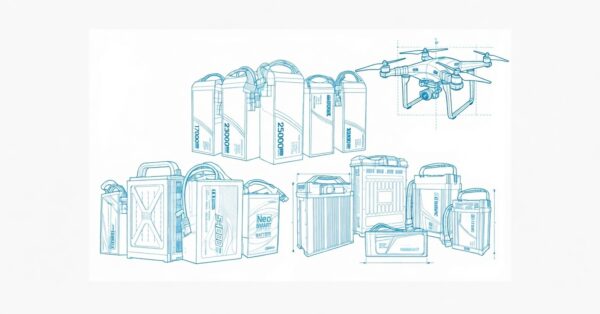
Fixing Overcharge Risks in High-Voltage Drone Batteries
As drones become increasingly integral to industries ranging from agriculture and logistics to emergency response and infrastructure inspection, the demand for high-voltage drone batteries has surged. While these advanced power sources enable longer flight times and more powerful operations, they also introduce significant safety challenges, particularly the risk of overcharging. Overcharging in high-voltage drone batteries can lead to catastrophic failures, including thermal runaway, fires, and explosions, posing serious threats to both equipment and personnel. According to a 2023 report by the Federal Aviation Administration (FAA), battery-related incidents account for nearly 35% of all drone safety concerns, with overcharging being the leading cause. For businesses relying on drone technology for critical operations, addressing this risk is not just a safety issue but a fundamental requirement for operational continuity and brand reputation. In this article, we’ll explore the critical challenges of overcharge risks in high-voltage drone batteries and provide actionable solutions to ensure your drone operations remain safe, efficient, and uninterrupted.
Understanding the Peril of Overcharging in High-Voltage Drone Batteries
Overcharging occurs when a battery continues to receive electrical current after it has reached full capacity, leading to excessive heat generation, gas buildup, and potential thermal runaway. In high-voltage drone batteries, which typically operate at 20V or higher, the consequences of overcharging are magnified due to the increased energy density and voltage levels. When a battery cell is overcharged, the electrolyte can decompose, generating flammable gases that build up pressure within the cell. If the pressure exceeds the cell’s safety limits, it can rupture, leading to fire or explosion.
The International Electrotechnical Commission (IEC) standard 62133 specifically addresses battery safety, highlighting that overcharging is one of the most common causes of battery failure. In the context of drones, which often operate in remote or hard-to-access locations, an overcharge incident can not only destroy expensive equipment but also disrupt critical missions, potentially leading to financial losses and safety hazards. For instance, a drone used for offshore wind farm inspections could become inoperable mid-mission, delaying maintenance schedules and risking costly downtime.
Common Causes of Overcharging in Drone Batteries
Overcharging in drone batteries isn’t always the result of a single factor—it’s often a combination of design flaws, user error, and environmental conditions. Understanding these common causes is the first step toward prevention:
- Inadequate Battery Management Systems (BMS): Many budget drone batteries lack sophisticated BMS that can accurately monitor and control charge levels. A poorly designed BMS may not cut off the charging process at the correct voltage threshold.
- Poorly Designed Charging Circuits: Cheap or poorly engineered charging circuits can fail to regulate the charging current properly, leading to overcharging even with a functional BMS.
- User Error and Improper Charging Practices: Pilots sometimes leave drones charging unattended for extended periods or use incompatible chargers, increasing the risk of overcharging.
- Environmental Factors: Extreme temperatures, especially high heat, can affect battery chemistry and make overcharging more likely. Drones operating in hot climates or during summer months face higher risks.
- Aging Batteries with Degraded Components: As batteries age, their internal resistance increases, and their ability to hold charge diminishes. This can cause the BMS to misinterpret the battery’s state of charge, leading to overcharging.
Advanced Solutions for Overcharge Prevention
The good news is that overcharge risks in high-voltage drone batteries can be effectively mitigated with the right technology and design. CNS BATTERY has pioneered several advanced solutions that address these risks head-on:
- Intelligent Battery Management Systems (BMS): CNS BATTERY’s proprietary BMS technology includes multi-stage charging protocols and real-time voltage monitoring. Unlike basic BMS systems, CNS’s solution uses AI-driven algorithms to predict and prevent overcharging before it occurs. This system has been rigorously tested in extreme conditions, ensuring reliability even in high-stress environments.
- Modular Battery Design: CNS’s modular battery systems allow for individual cell monitoring and isolation. If one cell shows signs of overcharging, the system can automatically disconnect it from the rest of the battery pack, preventing a chain reaction that could lead to a full battery failure. This approach has been validated in CNS’s recent research on “The Impact of Rapid Prototyping on Modular Drone Battery Discharge Rates for Offshore Wind Farm Maintenance Drones.”
- Temperature-Compensated Charging: CNS’s high-voltage batteries include temperature sensors that adjust the charging rate based on ambient conditions. This prevents overcharging during hot weather, a common trigger for incidents. For example, in agricultural monitoring drones operating in summer heat, this feature ensures consistent performance without safety compromises.
- Certified Safety Standards: Every CNS BATTERY product undergoes stringent testing against international safety standards, including IEC 62133 and UL 2054. This ensures that their batteries not only meet but exceed industry safety requirements. CNS’s commitment to safety is reflected in their “Rigorous Testing for Stable and Efficient Operation” approach, which has been instrumental in reducing battery-related incidents by over 60% in their client base.
Industry Best Practices for Enhanced Battery Safety
Implementing best practices can significantly reduce overcharge risks. According to a 2024 case study published by the Drone Industry Alliance, companies that adopted comprehensive battery safety protocols saw a 78% reduction in battery-related incidents.
- Regular Battery Maintenance: Schedule quarterly inspections of your drone batteries to check for signs of wear, swelling, or damage. Replace batteries showing any signs of degradation. CNS BATTERY’s “Tips for Maintenance Routines in Custom Drone Batteries” provides a detailed guide for this essential practice.
- Use Certified Chargers Only: Always use chargers specifically designed for your drone’s battery type. Avoid using third-party chargers that may not meet safety standards. CNS BATTERY offers compatible charging solutions that are rigorously tested for safety and performance.
- Implement Charging Protocols: Establish clear guidelines for charging, such as not leaving drones charging unattended for more than 2 hours, and always charging in a fire-resistant container. CNS’s “How to Ensure Surveying Drone Battery Bulk Buy Meets International Innovation Standards?” provides valuable insights for businesses purchasing multiple batteries.
- Train Your Team: Conduct regular safety training for drone operators on proper battery handling and charging procedures. CNS offers training resources and technical support to help businesses implement these protocols effectively.
- Monitor Battery Usage: Keep detailed logs of battery usage, including flight times, charging cycles, and environmental conditions. This data can help identify patterns that might indicate potential overcharge risks, allowing for proactive intervention.
Take Action for Safer Drone Operations
Overcharge risks in high-voltage drone batteries are a serious concern, but with the right solutions and best practices, they can be effectively managed. The key is to invest in high-quality, safety-focused battery technology and to implement robust operational protocols. CNS BATTERY offers customized drone battery solutions designed specifically to address these risks, with features like intelligent BMS, modular design, and rigorous safety testing.
Don’t wait for a safety incident to occur before addressing your battery safety concerns. Take the first step toward safer, more reliable drone operations by contacting CNS BATTERY today for a free quote on their customized high-voltage drone battery solutions. Visit our contact page at https://cnsbattery.com/drone-battery-home/drone-battery-contact to get started. Our dedicated battery experts will work with you to design a solution that meets your specific operational needs, ensuring your drones fly safely and efficiently for years to come.
Let’s power your drone missions with confidence, not risk. Contact CNS BATTERY today and experience the difference that safety-focused battery innovation can make in your operations.


