Expert Insights on BMW i3 Battery Diagnostic
Is your BMW i3 displaying a “High Voltage Battery Malfunction” warning? You’re not alone. As a technical expert at CNS BATTERY, I’ve analyzed thousands of these cases. Often, owners panic and rush to the dealership, only to be quoted astronomical repair fees or told they need a brand-new OEM battery. However, the reality is that many of these issues stem from specific, diagnosable faults within the Battery Management System (BMS) or individual modules that can be resolved with a high-quality aftermarket solution.
In this comprehensive diagnostic guide, I will walk you through the common failure points of the BMW i3 battery, how to interpret the warning signs, and why upgrading to a CNS BATTERY solution offers a safer, more cost-effective alternative to the original manufacturer parts.
Understanding the BMW i3 Battery Architecture
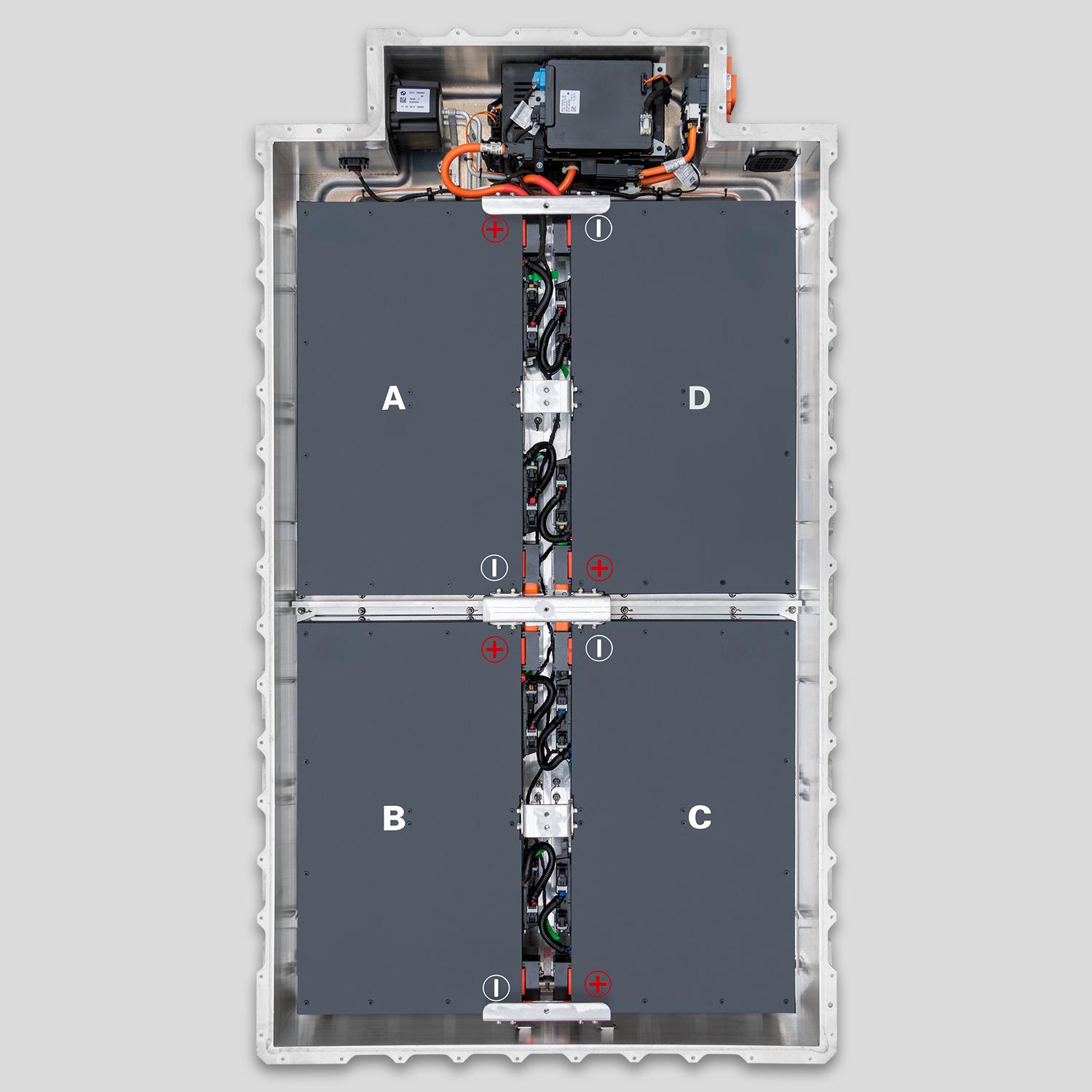
Before diving into diagnostics, it’s crucial to understand what’s under the hood (or rather, under the floor). The BMW i3 utilizes a high-voltage lithium-ion battery pack. Over the years, the capacity has evolved, with common variants including the 45kWh, 50kWh, and 62kWh models.
The core of the problem often lies not just in the cells, but in the communication between them. The Battery Management System (BMS) is the brain of the operation. It monitors the voltage, temperature, and state of charge of each individual cell and module. When a BMS fails or a module goes bad, the car shuts down to prevent thermal runaway.
Common Diagnostic Trouble Codes (DTCs)
While every situation is unique, there are three primary failure modes we see in our service center:
- BMS Communication Errors: The car might start but then immediately throw a “Check Control” message. This usually indicates a dead BMS board.
- Module Imbalance: The car drives, but the range is drastically reduced, or it enters “Limp Mode.” This is often due to one or two modules failing, causing the entire voltage curve to drop.
- Physical Swelling: In severe degradation cases, the prismatic cells physically swell, putting pressure on the casing. This is a safety hazard and requires immediate replacement.
The Hidden Costs of OEM Replacement vs. Aftermarket Upgrades
When you receive a “High Voltage Battery Malfunction” warning, the dealership typically offers two options: a full battery replacement or a “refurbishment” using recycled cells.
Let’s break down the cost analysis based on our client data:
| Solution Type | Estimated Cost (USD) | Longevity Expectancy | Risk Factor |
|---|---|---|---|
| BMW OEM New Battery | $16,000 – $20,000 | 8-10 Years | Low (but expensive) |
| Dealership Refurb | $8,000 – $12,000 | 2-3 Years | High (Used/Recycled Cells) |
| CNS BATTERY Pack | $6,500 – $9,000 | 5-8 Years | Low (Brand New Cells) |
Note: Prices are approximate and vary by region and battery capacity (e.g., 45kWh vs 62kWh).
As you can see, the dealership refurbishment often uses salvaged cells from other crashed vehicles. These cells are already aged and have unknown charge cycles. At CNS BATTERY, we believe this is a false economy. Instead, we offer brand-new, premium-grade cells (specifically CATL cells) for a fraction of the OEM price.
Why Choose a CNS BATTERY for Your i3?
As a specialist in BMW and Nissan electric powertrains, CNS BATTERY is designed to solve the exact problems you are facing with superior engineering.
1. Factory-Grade Compatibility, Not Just a Copy
We don’t just assemble random cells into a box. Our packs are engineered to meet OEM standards. This means:
- Plug-and-Play Installation: No modifications to wiring or brackets are necessary.
- Perfect Fitment: Our packs are designed to fit the BMW i3 chassis (including the unique “T” shape for some models) without interfering with the interior or trunk space.
- BMS Compatibility: Our proprietary BMS software is calibrated to communicate seamlessly with the BMW i3’s Instrument Cluster and DME (Digital Motor Electronics), ensuring you won’t get false error codes.
2. The CATL Cell Advantage
The heart of our battery is the cell chemistry. We utilize brand-new CATL (Contemporary Amperex Technology Co. Limited) cells. CATL is a global leader in lithium-ion technology, and their cells are chosen for their:
- High Energy Density: This translates directly to the range you get per charge.
- Thermal Stability: Safety is paramount. CATL cells have a proven track record of resisting thermal runaway.
- Cycle Life: You can expect over 3,000 charge cycles while maintaining 70%+ capacity.
3. Unbeatable Warranty Protection
We back our confidence in the product with a 24-month / 80,000 km warranty. This far exceeds the warranty offered on most recycled/refurbished batteries on the market. This warranty covers defects in materials and workmanship, and we guarantee the battery maintains at least 70% capacity over the warranty period.
The Upgrade Process: From Diagnosis to Drive
If you are reading this, your car is likely in the driveway, and you need a solution. Here is how our process works to get you back on the road safely:
Step 1: VIN Verification (Crucial!)
Not all BMW i3 batteries are the same. The software version and physical dimensions changed slightly between model years (2014-2023). Before you buy anything, contact our technical experts. Provide your VIN number, and we will confirm the exact compatibility for your vehicle. This step prevents costly mistakes.
Step 2: Installation Guidance
Whether you are a DIY mechanic or a professional shop, installing a high-voltage battery requires care. We provide:
- High-Definition Video Tutorials: Step-by-step guides showing the disconnection of the old battery and the installation of the new CNS pack.
- Technical Support Hotline: If you get stuck on a bolt or a connector, our engineers are available to answer your questions.
Step 3: Programming and Commissioning
Once installed, the battery needs to be commissioned with the car. Our BMS is designed for a “first-try” programming success. However, if you encounter a communication glitch, our team offers remote video guidance to walk you through the reset procedure.
Frequently Asked Questions (FAQ)
Q1: My BMW i3 says “High Voltage Battery Malfunction.” Can I just replace a few modules, or do I need the whole pack?
A: It depends on the root cause. If only 1 or 2 modules are faulty and the rest of the pack is healthy (rare in older i3s), module replacement might work. However, mixing old and new modules creates an imbalance, leading to rapid degradation. For long-term reliability and safety, we strongly recommend replacing the entire pack with a new 45kWh or 62kWh CNS BATTERY to ensure uniform cell health.
Q2: Is the CNS BATTERY legal and safe for my car?
A: Absolutely. Our batteries are engineered to meet international safety standards (UN38.3, MSDS) for lithium transport and use. They are designed as OEM-compatible replacements, meaning they match the voltage, dimensions, and communication protocols of the original BMW battery. We use non-hazardous materials and robust casing to prevent swelling and leaks.
Q3: How much range will I get with a new CNS BATTERY?
A: You can expect performance that matches or exceeds the original specifications. For example, a 62kWh CNS BATTERY installed in a compatible BMW i3 can restore your range to approximately 200-220 miles (320 km) under standard driving conditions. This is a significant improvement over a degraded OEM battery, which might only give you 80-100 miles.
Q4: What if I’m not in China? Do you ship internationally?
A: Yes, we support international sales to over 50 countries. We handle customs compliance and offer DDP (Delivered Duty Paid) service to most regions. Because lithium batteries are classified as dangerous goods (UN 3480), we partner with specialized carriers like DHL and FedEx to ensure safe delivery to your door.
Ready to Restore Your BMW i3?
Don’t let a battery fault sideline your car. With CNS BATTERY, you are not just buying a replacement; you are upgrading to a safer, higher-capacity powertrain solution at half the price of the dealership.
Take the first step towards a reliable fix: