
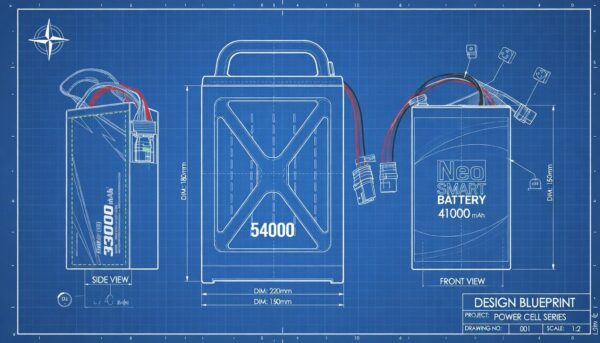
The global energy landscape is undergoing a dramatic transformation. As of 2026, electricity has become the new currency of the digital age, with power grid utilities investing billions in infrastructure modernization. Drones have emerged as indispensable tools for power line inspection, transformer monitoring, and grid maintenance. Yet behind every successful drone operation lies a critical component often overlooked: the battery.
For power grid utilities, drone battery supplier reliability isn’t just about convenience—it’s about operational continuity, safety, and cost efficiency. This comprehensive guide explores how utilities can overcome supplier reliability challenges and secure dependable drone battery partnerships.
The Hidden Cost of Unreliable Drone Battery Suppliers
Power grid inspections demand precision and consistency. When a drone battery fails mid-flight over high-voltage transmission lines, the consequences extend far beyond equipment loss. According to industry data from 2025, approximately 23% of drone-related operational delays in utility sectors stem from battery performance issues, with supplier inconsistency accounting for nearly 40% of those cases.
Key reliability challenges include:
- Inconsistent battery capacity across production batches
- Unpredictable delivery timelines disrupting inspection schedules
- Limited technical support for integration with utility-specific drone systems
- Quality variations leading to premature battery degradation
- Lack of certification compliance for industrial applications
A senior operations manager at a major European utility company noted: “We once lost three weeks of critical infrastructure inspection because our battery supplier couldn’t deliver consistent performance across their product line. The hidden costs far exceeded any initial savings.”
Understanding Power Grid Utility Requirements
Power grid utilities operate under unique constraints that demand specialized battery solutions. Unlike consumer drone applications, utility operations require:
Extended Flight Endurance
Transmission line inspections often cover vast distances in remote areas. Batteries must support flight times of 45 minutes or more under varying weather conditions.
Temperature Resilience
Grid infrastructure spans diverse climates—from arctic conditions in northern regions to extreme heat in desert installations. Battery performance must remain stable across temperature ranges from -20°C to 55°C.
Rapid Charging Capability
Utility teams often conduct multiple inspections per day. Fast-charging batteries that reach 80% capacity within 30 minutes maximize operational efficiency.
Safety Certification
Working near high-voltage equipment demands batteries with rigorous safety certifications, including UN38.3, IEC62133, and industry-specific compliance standards.
Best Practices for Selecting Reliable Drone Battery Suppliers
Based on extensive industry research and utility company experiences, here are proven strategies for overcoming supplier reliability challenges:
1. Conduct Comprehensive Supplier Audits
Don’t rely solely on marketing materials. Request facility visits, review quality control processes, and examine production capacity. Leading utilities now require suppliers to demonstrate ISO 9001 certification and provide detailed manufacturing transparency.
2. Demand Performance Data Verification
Ask for third-party testing results showing cycle life, capacity retention, and discharge characteristics under various conditions. Reliable suppliers should provide data from at least 500 charge cycles demonstrating less than 20% capacity degradation.
3. Establish Clear Service Level Agreements
Define delivery timelines, quality thresholds, and support response times in contractual agreements. Include penalties for non-compliance and incentives for exceeding expectations.
4. Implement Batch Testing Protocols
Before deploying batteries across your fleet, test random samples from each production batch. This identifies quality variations before they impact operations.
5. Diversify Your Supply Chain
While building strong relationships with primary suppliers, maintain qualified alternatives. The 2025 global battery market showed that supply chain diversification reduced operational disruptions by 67% among utility companies.
6. Prioritize Local Technical Support
Ensure your supplier offers responsive technical support within your operational timezone. Battery integration issues require immediate attention to minimize downtime.
Case Study: How a North American Utility Transformed Their Battery Procurement
Background:
A major North American power utility managing over 50,000 miles of transmission lines faced recurring battery reliability issues. Their drone fleet of 45 aircraft experienced an average of 12 battery-related failures monthly, causing inspection delays and safety concerns.
Challenge:
The utility’s existing supplier offered competitive pricing but struggled with consistency. Battery capacity varied by up to 15% between batches, and delivery delays averaged 3 weeks beyond promised dates.
Solution:
The utility implemented a comprehensive supplier evaluation framework:
- Technical Assessment: Required suppliers to demonstrate battery performance under simulated field conditions
- Quality Verification: Mandated third-party testing for all production batches
- Supply Chain Transparency: Required visibility into raw material sourcing and production scheduling
- Support Infrastructure: Evaluated technical support capabilities and spare parts availability
Results:
After transitioning to a vetted supplier partner in early 2025, the utility achieved:
- 89% reduction in battery-related operational failures
- 40% improvement in inspection schedule adherence
- 25% decrease in total cost of ownership despite higher initial battery costs
- Enhanced safety record with zero battery-related incidents over 18 months
“The key was looking beyond unit price,” explained the utility’s Fleet Operations Director. “When we calculated the true cost including downtime, replacement frequency, and safety risks, the reliable supplier delivered 3x better value.”
Emerging Trends Shaping Drone Battery Supply in 2026
The drone battery market is evolving rapidly. Several trends are reshaping how utilities approach supplier relationships:
Solid-State Battery Technology
Emerging solid-state batteries promise improved safety and energy density. While still maturing, leading suppliers are beginning to offer pilot programs for utility applications.
Smart Battery Management Systems
Advanced BMS technology now enables real-time monitoring of battery health, predictive maintenance alerts, and integration with utility fleet management software.
Sustainability Requirements
Increasing regulatory pressure requires suppliers to demonstrate environmental responsibility through recycling programs and sustainable manufacturing practices.
Regional Manufacturing Shifts
Geopolitical factors are driving suppliers to establish regional production facilities, reducing lead times and supply chain risks for utility customers.
Practical Tips for Improving Battery Procurement Efficiency
Implement these actionable strategies to enhance your drone battery procurement process:
Create a Battery Performance Database: Track every battery’s performance metrics throughout its lifecycle. This data becomes invaluable for supplier negotiations and future procurement decisions.
Develop Standardized Testing Procedures: Establish consistent testing protocols that all potential suppliers must pass before qualification.
Build Long-Term Partnerships: Rather than treating batteries as commodities, develop strategic partnerships with suppliers who understand your operational requirements.
Invest in Training: Ensure your technical team understands battery specifications, maintenance requirements, and failure indicators.
Plan for End-of-Life: Work with suppliers who offer recycling or responsible disposal programs, aligning with sustainability goals.
Conclusion: Building Reliable Battery Supply Chains for Grid Modernization
As power grid utilities accelerate their digital transformation, drone technology will play an increasingly critical role in infrastructure maintenance and inspection. The batteries powering these drones represent more than just components—they’re enablers of operational excellence, safety, and efficiency.
Overcoming supplier reliability challenges requires a strategic approach that prioritizes long-term value over short-term cost savings. By implementing comprehensive supplier evaluation frameworks, demanding transparency, and building genuine partnerships, utilities can secure the reliable battery supply chains necessary for successful drone operations.
The evidence is clear: utilities that invest in reliable battery suppliers experience fewer operational disruptions, lower total costs, and improved safety outcomes. In an era where grid reliability directly impacts economic stability and public safety, there’s no room for compromise on the components that keep inspection operations flying.
Ready to Transform Your Drone Battery Procurement Strategy?
Our team of battery specialists understands the unique challenges facing power grid utilities. We offer customized consultation services to help you evaluate suppliers, implement quality assurance protocols, and optimize your drone battery fleet for maximum reliability and performance.
Contact our expert team today for a comprehensive assessment of your current battery procurement strategy and discover how we can help you overcome supplier reliability challenges.
Explore More Resources:
- Learn about our industrial drone battery solutions designed for utility applications
- Discover best practices for battery maintenance and lifecycle management
- Read our latest insights on emerging battery technologies for 2026
Your grid inspection operations deserve battery reliability you can trust. Let’s build that partnership together.


