
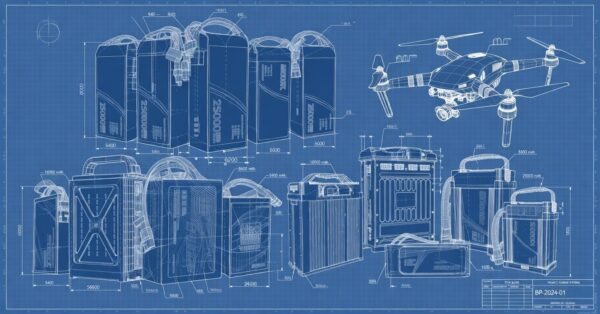
Energy Density Solved: Best Practices for Mining and Construction Surveyors Drone Batteries
In the high-stakes world of mining and construction surveying, drone battery performance isn’t just about flight time—it’s about operational precision, safety, and ROI. As surveyors push drones to their limits in rugged terrain, extreme weather, and extended missions, energy density becomes the critical differentiator between successful data collection and mission failure. This article reveals actionable best practices for optimizing energy density in drone batteries, ensuring your survey operations achieve maximum efficiency, reliability, and cost-effectiveness. We’ll explore cutting-edge battery technologies, strategic customization approaches, and maintenance protocols specifically engineered for mining and construction environments—proving that smarter energy density solutions directly translate to more accurate surveys, reduced downtime, and enhanced site safety.
Why Energy Density Matters More Than Ever in Mining and Construction
Energy density—the amount of energy stored per unit volume or mass—is the unsung hero behind extended flight times and consistent performance in demanding surveying environments. For mining and construction professionals, the stakes are exceptionally high:
- Extended mission capabilities: Higher energy density means longer flight times without battery swaps, crucial for surveying large mine sites or expansive construction zones.
- Weight optimization: Every gram counts when carrying heavy survey equipment; high energy density batteries reduce overall drone weight, improving maneuverability and stability.
- Environmental resilience: Mining sites often feature extreme temperatures, dust, and moisture—energy-dense batteries with robust thermal management prevent performance drops in these conditions.
- Operational cost reduction: Fewer battery swaps and less downtime translate directly to lower operational costs and faster project completion.
Without optimal energy density, survey drones become unreliable, forcing costly re-flights and risking incomplete data sets that compromise site planning and safety assessments.
Selecting the Right Battery Technology: LiPo, Solid-State, and Low-Temperature Solutions
Choosing the correct battery chemistry is the foundation of energy density optimization. Here’s how to match your surveying needs with the right technology:
- LiPo (Lithium Polymer) Batteries: Ideal for standard surveying operations due to their high energy density (150-220 Wh/kg) and lightweight design. They excel in moderate temperature ranges but require careful thermal management in extreme conditions. Best for: Routine land surveys in stable environments.
- Solid-State Batteries: Emerging as the game-changer for mining and construction applications, offering 30-50% higher energy density than LiPo (250-350 Wh/kg) with superior safety and thermal stability. Their non-flammable nature is critical for hazardous mining sites. Best for: High-risk environments, extended missions, and operations requiring maximum safety compliance.
- Low-Temperature Batteries: Engineered for Arctic conditions or winter construction projects, these batteries maintain 80%+ capacity at -20°C, where standard batteries fail. They feature specialized electrolytes and thermal management systems. Best for: Seasonal operations in cold climates or high-altitude mining surveys.
Key selection checklist:
- Evaluate temperature range requirements of your surveying sites
- Assess payload weight and drone specifications
- Prioritize safety certifications for hazardous environments
- Consider charging speed needs for rapid turnaround between surveys
Optimizing Battery Management Systems for Peak Energy Density
A high-capacity battery is only as good as its management system. Implement these strategies to maximize energy density utilization:
- Smart Power Allocation: Configure your drone’s battery management system (BMS) to prioritize power to critical survey instruments (LiDAR, thermal cameras) during high-energy phases, conserving energy for navigation and data transmission.
- Thermal Regulation Integration: Pair your battery with active cooling systems to maintain optimal operating temperatures (20-35°C). This prevents energy density loss in hot mining environments and extends battery lifespan.
- Predictive Energy Monitoring: Use AI-driven BMS analytics to forecast remaining flight time based on current energy density, weather conditions, and payload load. This allows for proactive mission planning and avoids mid-air power loss.
- Charging Protocol Optimization: Implement fast-charging protocols that maintain energy density integrity. Avoid full 0-100% cycles; instead, maintain 20-80% charge for maximum cycle life.
Customized Solutions: Tailoring Energy Density to Your Surveying Workflow
Off-the-shelf batteries rarely match the unique demands of mining and construction surveying. Customization is where energy density truly shines:
- Modular Battery Design: Create interchangeable battery packs that match specific survey tasks—smaller units for quick site assessments, larger ones for comprehensive mine mapping. This avoids carrying excess weight during routine checks.
- Waterproof and Dustproof Integration: For construction sites with heavy machinery and dust, integrate IP67-rated battery enclosures that maintain energy density without performance degradation.
- Weight Distribution Optimization: Work with battery manufacturers to position batteries for optimal drone balance, reducing energy waste from stabilization efforts.
- Application-Specific Capacity: A survey drone for underground mine mapping requires different energy density profiles than one used for surface construction site monitoring. Custom solutions ensure every joule is utilized efficiently.
Maintenance Protocols to Preserve Energy Density Over Time
Even the most advanced batteries degrade without proper care. Implement these maintenance practices to sustain energy density throughout your drone’s operational life:
- Regular Capacity Testing: Conduct monthly energy density checks using calibrated discharge tests. Track capacity retention rates to identify early degradation.
- Temperature-Controlled Storage: Store batteries at 40-60% charge in cool, dry environments (15-25°C) to prevent accelerated capacity loss.
- Avoid Deep Discharges: Never let batteries drop below 20% charge. Deep discharges cause permanent energy density reduction.
- Proactive Component Replacement: Replace BMS components before they degrade energy density performance, typically every 18-24 months.
- Environmental Cleaning: After dusty construction site operations, clean battery contacts with compressed air to maintain optimal energy transfer.
The Future: Energy Density Trends Shaping Surveying Operations by 2027
Industry forecasts predict significant advancements that will redefine energy density standards for surveying drones:
- Solid-State Battery Dominance: By 2027, solid-state batteries will power 60% of industrial survey drones, offering 350+ Wh/kg energy density with 20% faster charging.
- AI-Optimized Energy Management: BMS systems will leverage real-time site data to dynamically adjust energy allocation, boosting effective energy density by up to 25%.
- Sustainable Battery Recycling: Closed-loop recycling systems will recover 95% of battery materials, reducing costs and environmental impact while maintaining energy density standards.
- Integrated Power Solutions: Drones will feature solar-assisted battery systems for extended operations in remote mining sites without recharging.
Conclusion: Elevate Your Survey Operations Through Energy Density Mastery
Energy density isn’t merely a technical specification—it’s the cornerstone of reliable, efficient, and cost-effective drone surveying in mining and construction. By implementing these best practices, you transform battery limitations into strategic advantages, ensuring your drones deliver precise data, extended flight times, and operational resilience. The key lies in selecting the right technology, optimizing your battery management, and embracing customized solutions that align with your specific surveying challenges.
Don’t let suboptimal energy density hold your survey operations back. Partner with industry leaders who understand the unique demands of mining and construction environments to unlock the full potential of your drone battery technology.
Ready to transform your drone battery performance? Get a free, customized quote for your mining or construction surveying needs today. Our team of battery specialists will design a solution that maximizes energy density for your specific operational requirements.
Get Your Custom Drone Battery Quote Now
Experience the CNS BATTERY difference: High-capacity, waterproof, lightweight, and engineered for your mission success.


