Easy Install Nissan Leaf Plus LFP Battery for Repair Shops
The Nissan Leaf has long been a staple in the EV market, but as these vehicles age, battery degradation becomes a significant hurdle for both owners and repair shops. For automotive technicians and repair shops, the complexity of EV battery replacement can be a major deterrent. However, the introduction of the Nissan Leaf Plus LFP (Lithium Iron Phosphate) battery has revolutionized this process, offering a solution that is not only efficient but also easy to install. This guide is designed to walk repair shops through the seamless process of upgrading to a Leaf Plus LFP battery, highlighting the benefits for both the shop and the customer.
The Challenge of Traditional Battery Replacements
Before diving into the specifics of the Leaf Plus LFP battery, it is essential to understand the challenges that repair shops typically face with traditional battery replacements. Conventional lithium-ion batteries often require intricate cooling system setups, complex BMS (Battery Management System) configurations, and extensive safety protocols. This complexity can lead to longer labor times, increased risk of errors, and higher costs for the customer. For repair shops, this means a higher barrier to entry for offering EV services and potential dissatisfaction from customers due to high repair bills.
Why Choose the Leaf Plus LFP Battery?
The Leaf Plus LFP battery stands out as a superior option for several reasons. First and foremost, it utilizes brand-new, high-quality battery cells, ensuring optimal performance and longevity. Unlike refurbished batteries, which are often sourced from discarded units and come with unpredictable lifespans, the Leaf Plus LFP battery is built to OEM standards, providing a reliable and durable solution.
One of the most significant advantages of the LFP chemistry is its inherent safety. LFP batteries are less prone to thermal runaway, making them safer to handle during installation. Additionally, they offer a longer cycle life compared to traditional NMC (Nickel Manganese Cobalt) batteries, meaning the customer will enjoy a longer-lasting solution before needing another replacement.
Streamlined Installation Process
For repair shops, the ease of installation is a game-changer. The Leaf Plus LFP battery is designed with a plug-and-play approach, minimizing the need for complex modifications. Here is a breakdown of the installation process:
- Pre-Installation Check: Before beginning, ensure the vehicle is powered down and the high-voltage system is isolated. This is a standard safety protocol for any EV work.
- Removal of the Old Battery: This step involves disconnecting the old battery pack and removing the mounting brackets. On average, this takes about 50 minutes for a professional technician.
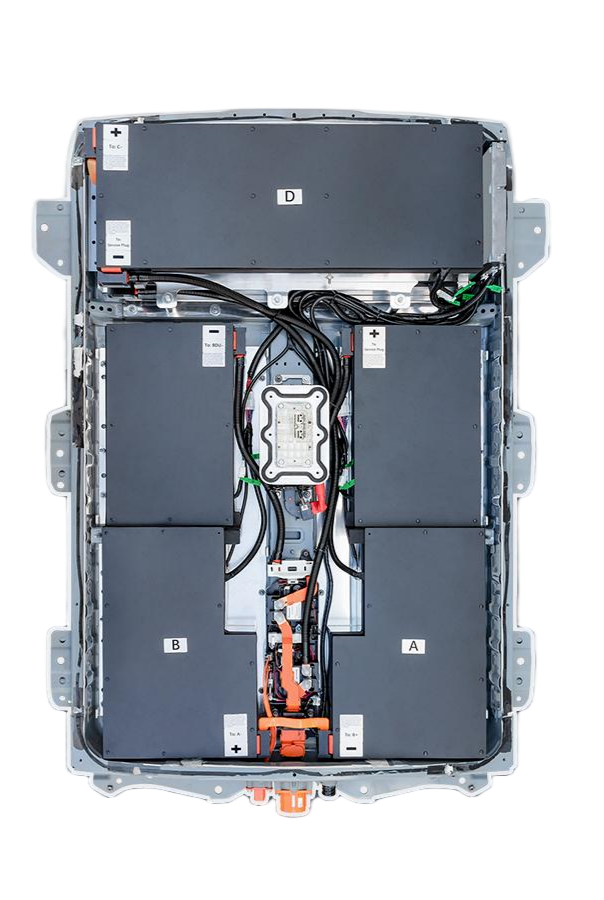
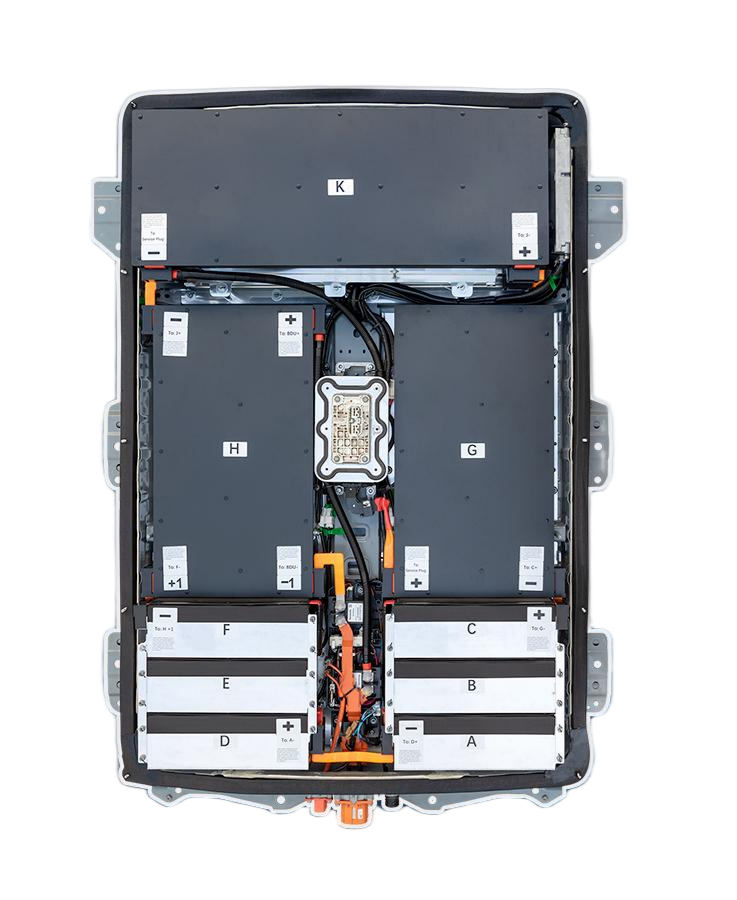
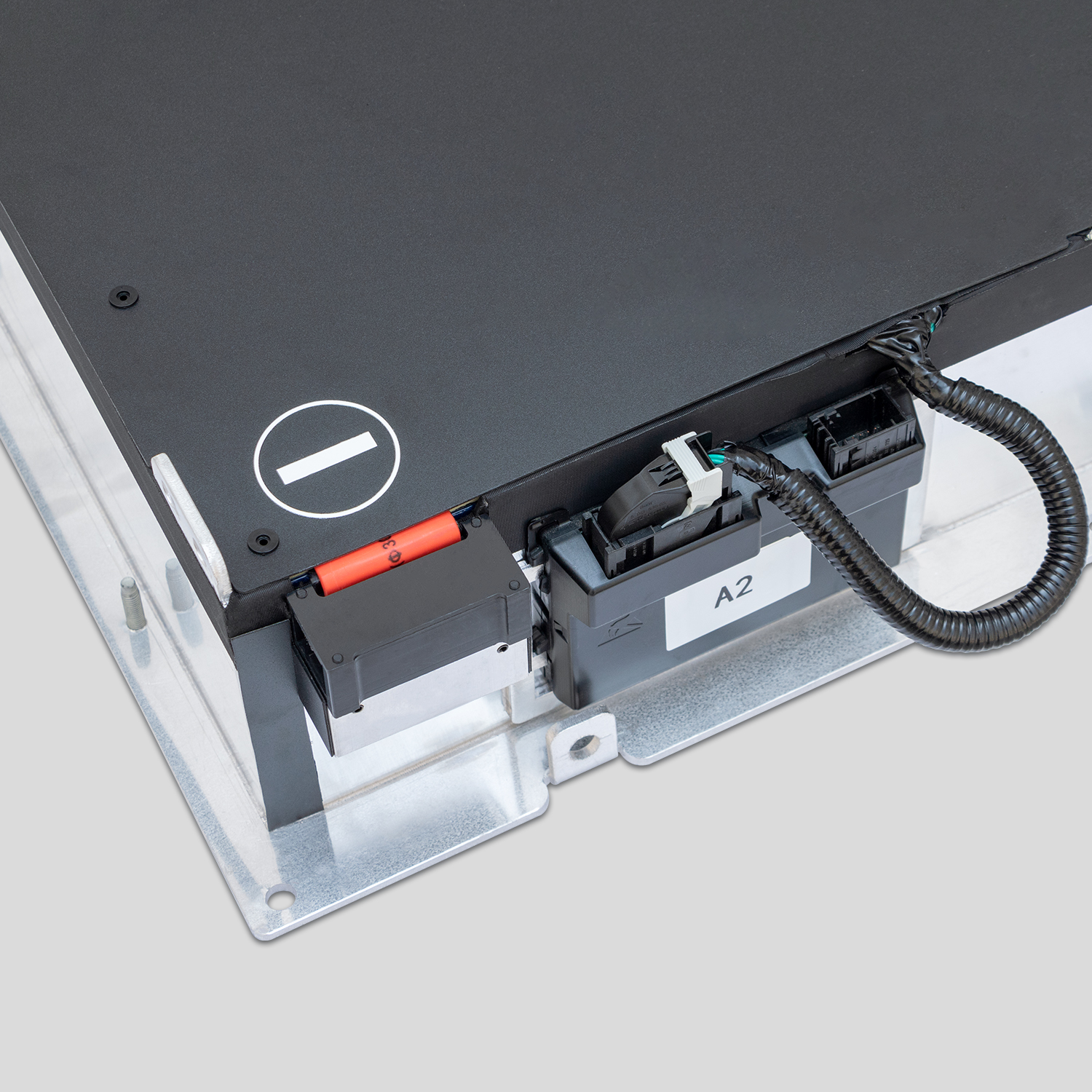
- Installation of the New Battery: The new Leaf Plus LFP battery is designed to fit seamlessly into the existing mounting points. The connectors are color-coded and keyed to prevent incorrect connections, reducing the risk of human error.
- System Integration and Testing: Once the battery is physically installed, the system integration is straightforward. The BMS is pre-programmed to match the vehicle’s specifications, and in most cases, the programming is successful on the first try. A final voltage test and diagnostic check ensure everything is functioning correctly.
Benefits for Repair Shops
By offering the Leaf Plus LFP battery upgrade, repair shops can tap into a growing market of Nissan Leaf owners looking for affordable and reliable solutions. The ease of installation means that shops can complete the job faster, increasing their throughput and profitability. Furthermore, the high reliability of the battery reduces the likelihood of comebacks, protecting the shop’s reputation.
Customer Satisfaction and Cost Savings
From the customer’s perspective, the Leaf Plus LFP battery offers a significant upgrade at a fraction of the cost of a new vehicle or an OEM replacement. For example, upgrading from a 40kWh to a 62kWh battery can increase the driving range from approximately 120km to over 430km, revitalizing the vehicle’s performance. The cost savings are substantial, with the Leaf Plus LFP battery costing about 50% less than an OEM replacement, making it an attractive option for budget-conscious consumers.
Technical Support and Warranty
To ensure a smooth experience, comprehensive technical support is available for repair shops. Whether it is assistance with the installation process or troubleshooting any issues, a dedicated team of experts is on hand to provide guidance. Additionally, the battery comes with a robust warranty, typically covering 2 years or 80,000km, whichever comes first. This warranty provides peace of mind for both the shop and the customer, ensuring that any defects in materials or workmanship are covered.
Conclusion
The Nissan Leaf Plus LFP battery represents a win-win solution for repair shops and their customers. By offering an easy-to-install, high-performance battery at a competitive price, repair shops can expand their services and meet the growing demand for EV maintenance. With the right tools and support, upgrading a Nissan Leaf to a Leaf Plus LFP battery is a straightforward process that can breathe new life into older EVs.
Frequently Asked Questions (FAQ)
1. How long does the installation take?
The installation process typically takes between 1 to 2 hours. For a professional technician, the physical installation and connection can be completed in about 50 minutes, with additional time required for system diagnostics and testing.
2. Is the battery compatible with all Nissan Leaf models?
The Leaf Plus LFP battery is designed to be compatible with a wide range of Nissan Leaf models, including the ZE0, AZE0, and ZE1 series. However, it is always recommended to check the specific model and VIN code to ensure perfect compatibility.
3. What kind of warranty is offered?
The battery comes with a comprehensive warranty that covers 2 years or 80,000km, whichever comes first. This warranty includes protection against defects in materials and workmanship, as well as prorated coverage for performance degradation.
4. Do I need special tools for the installation?
No special tools are required beyond the standard wrenches and screwdrivers found in most automotive workshops. The battery is designed for a plug-and-play installation, and a free toolkit, including insulated gloves and terminal cleaner, is often provided.
5. What if I encounter issues during installation?
Comprehensive technical support is available via phone, email, or online chat. If you encounter any issues, a team of experts can provide real-time guidance, including video call support, to help resolve any problems quickly and efficiently.
For more information and to get a free custom quote, contact our technical experts today.