Here is the SEO-optimized article tailored for the Nissan Leaf and e-NV200 audience, focusing on the value proposition of aftermarket upgrades versus OEM replacements.
The Ultimate Guide: Easy Install Nissan Leaf Plus Battery Upgrade vs Original OEM
Is your Nissan Leaf or e-NV200 losing its range? If you are facing the dreaded “battery degradation” warning, you are not alone. Many Leaf owners find themselves at a crossroads: pay the exorbitant price for a brand-new Original Equipment Manufacturer (OEM) battery at a dealership or look for a more affordable solution.
The reality is that replacing a Nissan Leaf battery with a brand-new OEM unit can cost upwards of $16,000 USD. For most drivers, this price tag is simply a deal-breaker, often forcing them to sell their car for scrap or consider buying a completely new vehicle.
But there is a smarter, more cost-effective path. Aftermarket battery upgrades, specifically designed for the Nissan Leaf (including ZE0, ZE1, and AZE0 models) and e-NV200, offer a “Leaf Plus” style upgrade at a fraction of the cost. This guide will break down the real differences between an OEM replacement and a high-quality aftermarket upgrade, focusing on cost, installation ease, and performance.
Why the OEM Price Tag is Hard to Swallow
Before we dive into the alternatives, let’s understand why the OEM route is so expensive. When you walk into a dealership for a battery replacement, you are paying for:
- Brand Premium: You are paying for the Nissan badge and the established supply chain.
- Labor & Overhead: Dealerships have high overhead costs, which are factored into the service price.
- Limited Supply: OEMs often have a monopoly on the specific parts for your vehicle model.
As mentioned, the sticker shock of $12,000 to $16,000 means that even if your car is otherwise in perfect mechanical condition, the math often doesn’t add up. This is where the “Leaf Plus” upgrade strategy comes in.
The “Leaf Plus” Aftermarket Upgrade: More Bang for Your Buck
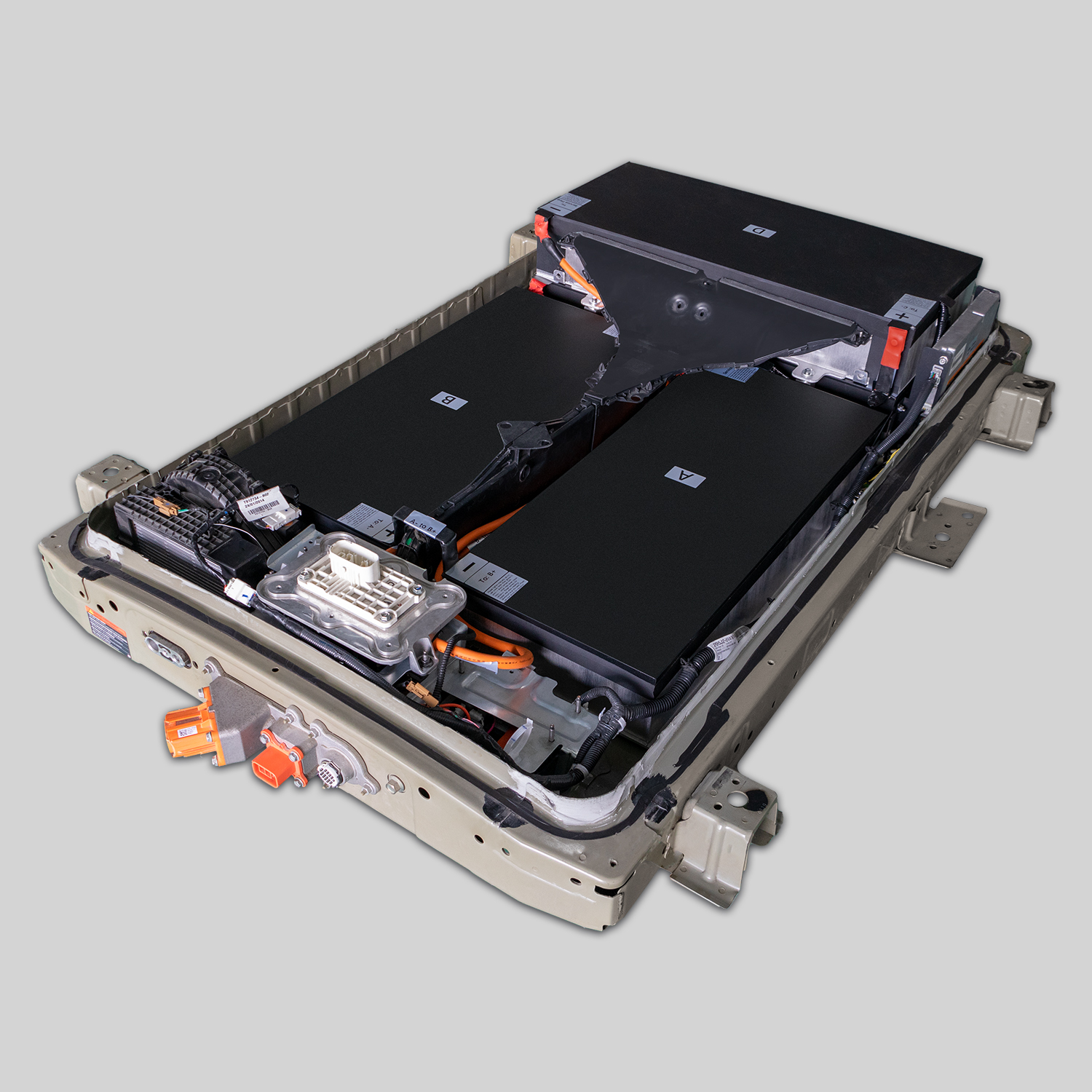
An aftermarket Nissan Leaf Plus battery upgrade allows you to install a higher capacity pack (such as a 62kWh or even 68kWh) into your older model Leaf (like a 24kWh or 30kWh), effectively turning it into a “Leaf Plus” with double the range.
Here is how this compares to the OEM solution:
1. Cost Comparison: Saving Over 50%
This is the most significant factor. High-quality aftermarket manufacturers, like CNS Battery, utilize the same Tier-1 cell suppliers (such as CATL) but without the massive dealership markup.
| Feature | Original OEM Battery | Premium Aftermarket (Leaf Plus) |
|---|---|---|
| Price Range | $12,000 – $16,000+ | $7,000 – $8,500 |
| Savings | $0 (Baseline) | Over 50% Savings |
| Cell Source | Proprietary OEM Supply | Direct from CATL (same chemistry) |
| Warranty | Standard Manufacturer Warranty | 2 Years / 80,000 km |
By choosing an aftermarket route, you save thousands of dollars—money that could go toward installing a Level 2 home charger or simply keeping more cash in your pocket.
2. Installation: Plug-and-Play vs. Complex Labor
One of the biggest fears owners have is the complexity of the swap. However, modern aftermarket solutions are designed with OEM compatibility in mind.
- OEM Replacement: Requires a technician to disconnect the old pack, lift out the heavy module, and integrate the new one with the factory Battery Management System (BMS). It is labor-intensive and requires specialized diagnostic tools.
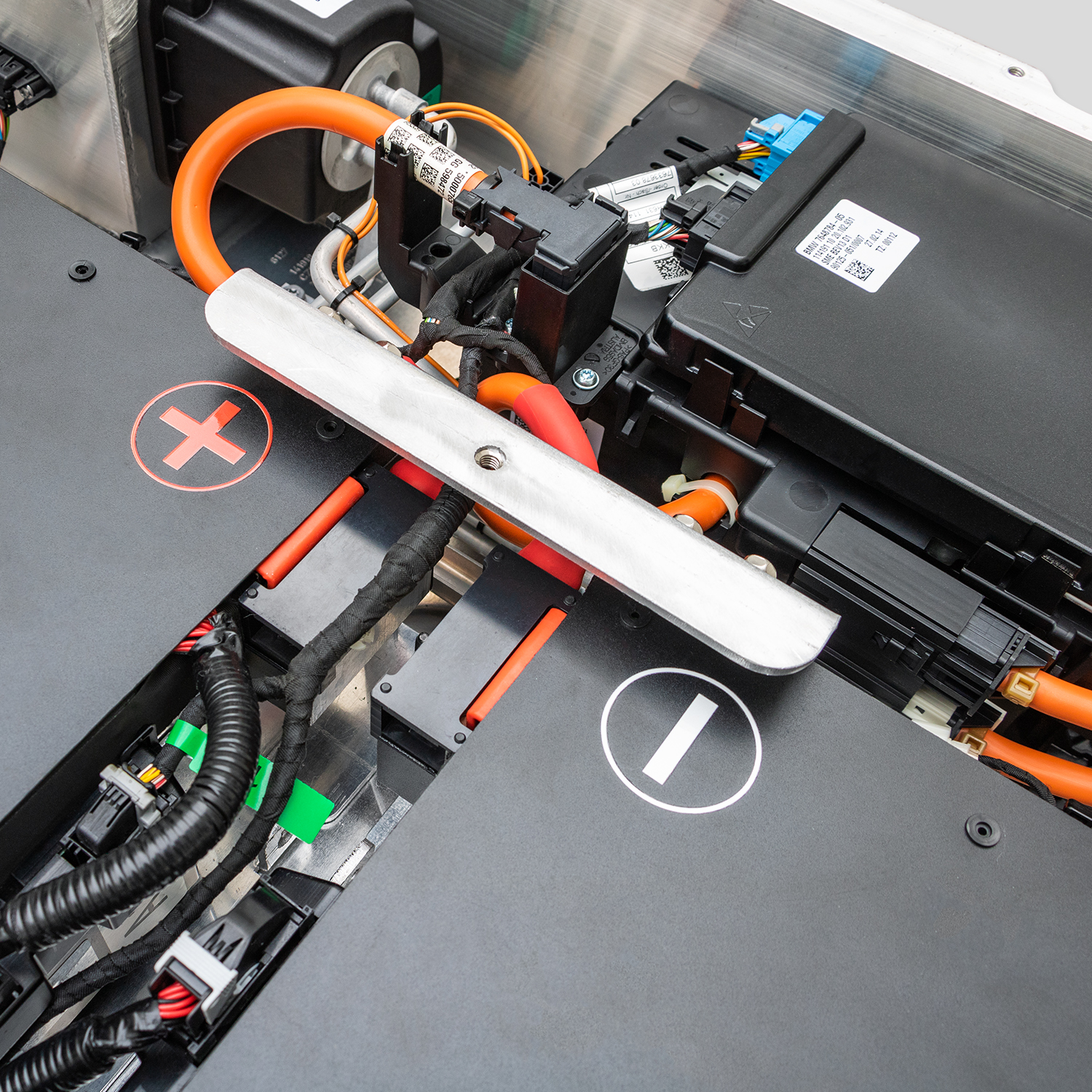
- Aftermarket “Leaf Plus” Upgrade: Many modern aftermarket packs are designed as direct drop-in replacements. They utilize the same voltage and interface matching (Type 2 connectors) as the original factory parts. As noted by users who have performed these swaps, the wiring connectors are often color-coded to match the factory harness, making it a true “plug-and-play” experience for a qualified mechanic.
Expert Tip: While the hardware is designed for easy installation, we always recommend having a certified technician handle the job to ensure safety and avoid voiding your warranty. Most professional installations take approximately 1-2 hours.
3. Performance and Range: The “New Car” Feeling
The goal of a Nissan Leaf Plus upgrade isn’t just to fix the car; it is to improve it. If you have an early 2011-2013 Leaf with a degraded 24kWh pack, replacing it with a brand-new 62kWh aftermarket module transforms your driving experience.
- Old Range: Approximately 80km (50 miles) when degraded.
- New Range (After Upgrade): Approximately 430km (267 miles) on a full charge.
This massive jump in range means you can finally use your Leaf for highway commutes and long-distance travel without anxiety. Furthermore, because these are brand-new cells (not refurbished), you get the “zero-failure reliability” and thermal stability that comes with fresh Lithium-ion technology.
Addressing the Elephant in the Room: Quality & Safety
We understand your hesitation. “If it is so much cheaper, is it safe?”
The answer lies in the supply chain. Reputable aftermarket manufacturers do not cut corners on chemistry. They source brand-new, A-grade cells from the same factories that supply the automotive giants.
- Cell Quality: Premium aftermarket batteries use new cells, unlike some “budget” options that reuse old cells from salvage yards. New cells mean no risk of swelling, sudden power failure, or rapid degradation.
- Warranty Protection: A strong warranty is your safety net. Look for providers offering a 2-year or 80,000 km warranty. This coverage should include protection against defects in materials and workmanship, as well as prorated coverage if the battery capacity drops below 70%.
- BMS Integration: The Battery Management System is the brain of the pack. A high-quality aftermarket battery will come pre-programmed or with clear instructions for programming to ensure it communicates seamlessly with your Leaf’s dashboard.
Making the Decision: Is an Upgrade Right for You?
If you love your Nissan Leaf but hate the shrinking battery life, an aftermarket “Leaf Plus” upgrade is arguably the best value in the EV market today.
You are not just repairing your car; you are upgrading it. You get a brand-new, high-capacity battery pack with a modern chemistry (often Lithium Iron Phosphate or updated NMC) for less than half the price of a factory replacement.
Before you proceed, ensure you work with a supplier that offers:
- VIN Compatibility Checks: To guarantee the pack fits your specific model year.
- Transparent Pre-Sales Support: So you know exactly what you are buying.
- Lifetime Technical Support: In case you have questions about charging optimization or maintenance.
Don’t let the dealership price tag force you into selling a car that could easily have another 10 years of life. Explore the aftermarket upgrade path and get back on the road with confidence.
Frequently Asked Questions (FAQ)
Q1: Is installing an aftermarket battery difficult? Will I need special tools?
A: For a professional technician, the installation is straightforward and typically takes 1-2 hours. You will need basic automotive tools like wrenches and screwdrivers. The process is designed to be safe and simple, often described as “plug-and-play” because the connectors match the original factory harness. However, due to high-voltage safety risks, we strongly recommend having a certified EV technician perform the work rather than a DIY attempt unless you are highly experienced.
Q2: Will an aftermarket battery void my car’s remaining warranty?
A: A properly installed aftermarket battery should not void your entire car warranty. However, it is crucial to get a compatibility assessment before purchasing. Reputable suppliers will ask for your VIN number to confirm that the battery voltage and communication protocols match your vehicle perfectly, ensuring no conflicts with the original car systems.
Q3: How much range can I expect after a “Leaf Plus” upgrade?
A: The range increase is dramatic. If you upgrade an older Leaf (like a ZE0 or ZE1) with a 62kWh pack, you can expect a full charge range of approximately 430km to 440km (about 267 miles). This is a massive improvement over the original 120km-180km range of older, degraded batteries, effectively giving your car the range of a brand-new EV.
Q4: What kind of warranty should I look for?
A: You should look for a warranty that matches or exceeds industry standards. A benchmark to look for is a 2-year / 80,000 km warranty. This coverage should protect against manufacturing defects and guarantee that the battery maintains at least 70% of its capacity during that period. Avoid suppliers who offer vague or very short warranty terms.
Q5: Are these batteries safe to ship internationally?
A: Yes, but it requires strict compliance. Lithium batteries are classified as dangerous goods (UN 3480). Reputable companies partner with carriers like DHL, FedEx, or UPS and use DDP (Delivered Duty Paid) services. This means they handle all the complex customs paperwork, safety documentation, and import duties so the battery arrives safely at your door without you dealing with regulatory hurdles.
Ready to revive your Nissan Leaf or e-NV200? Get a free, no-obligation quote today to see how much you can save with a premium aftermarket battery upgrade.