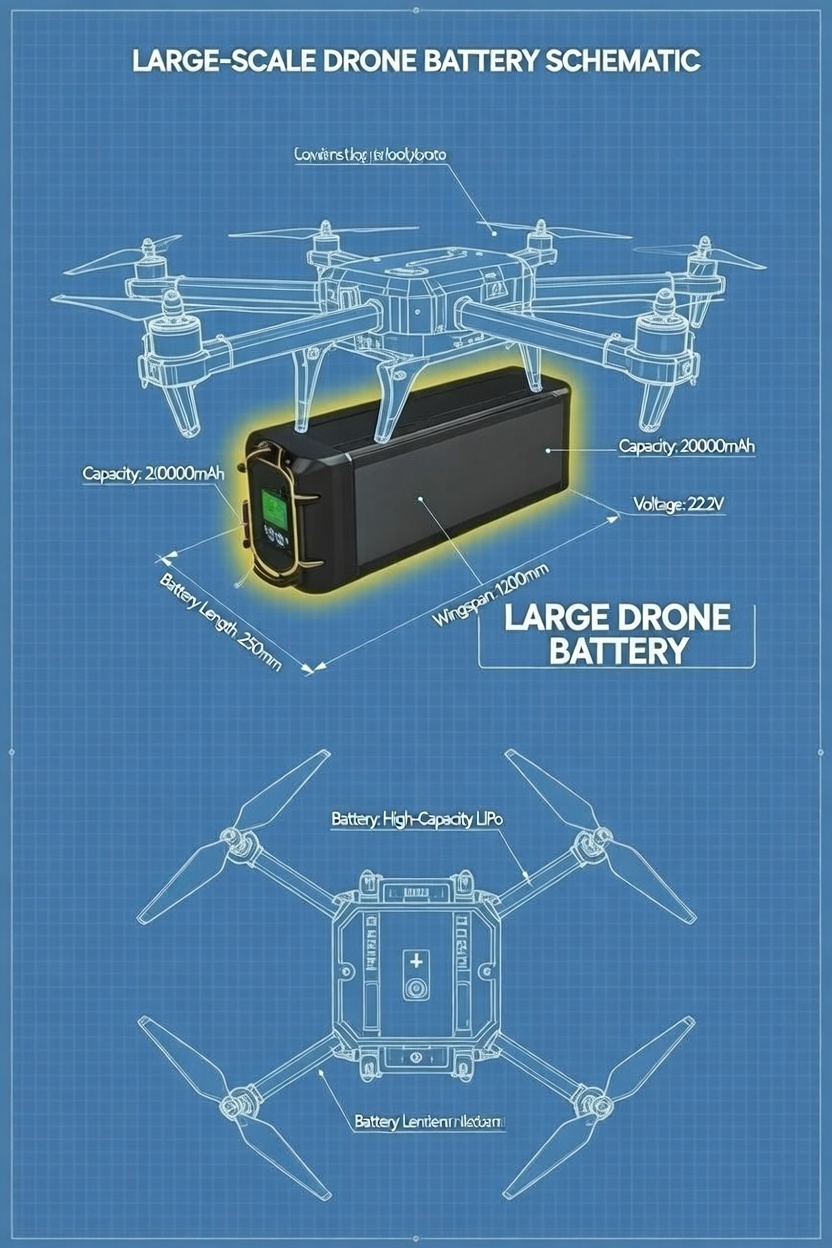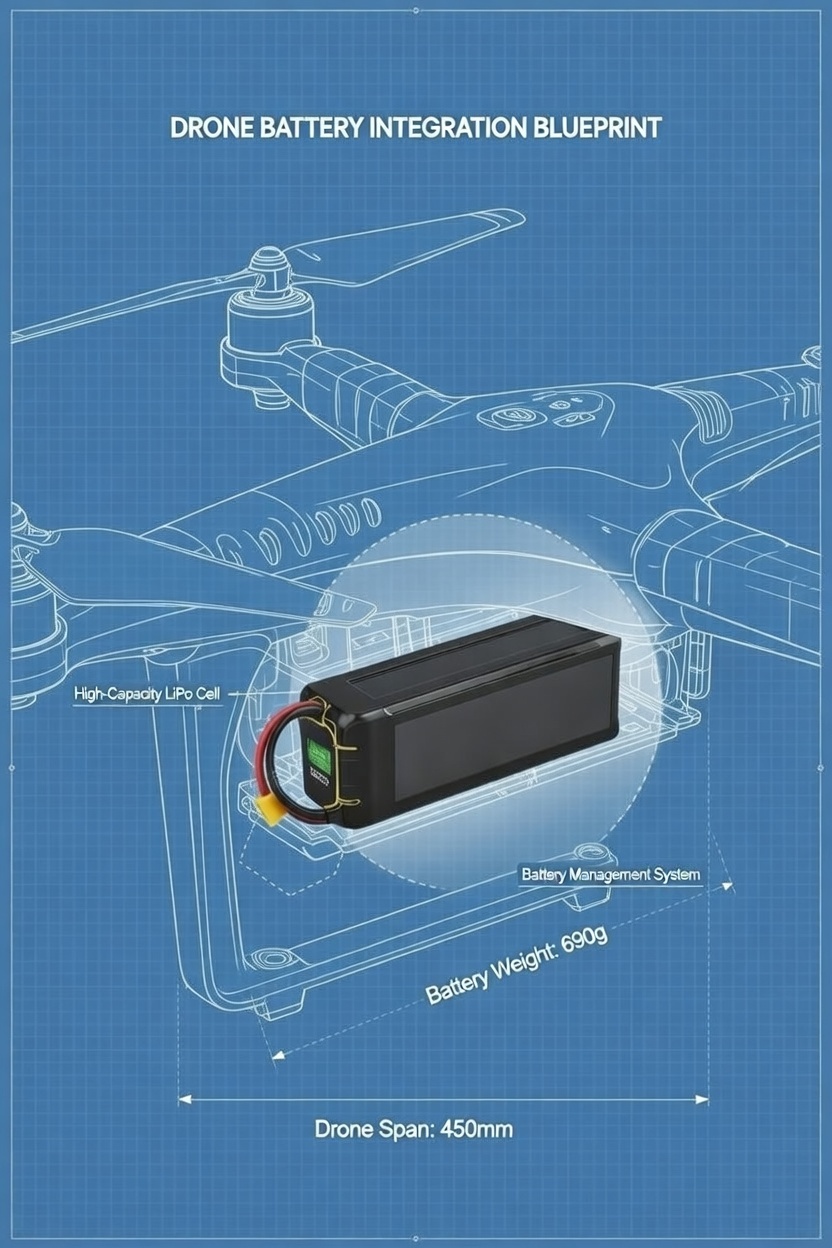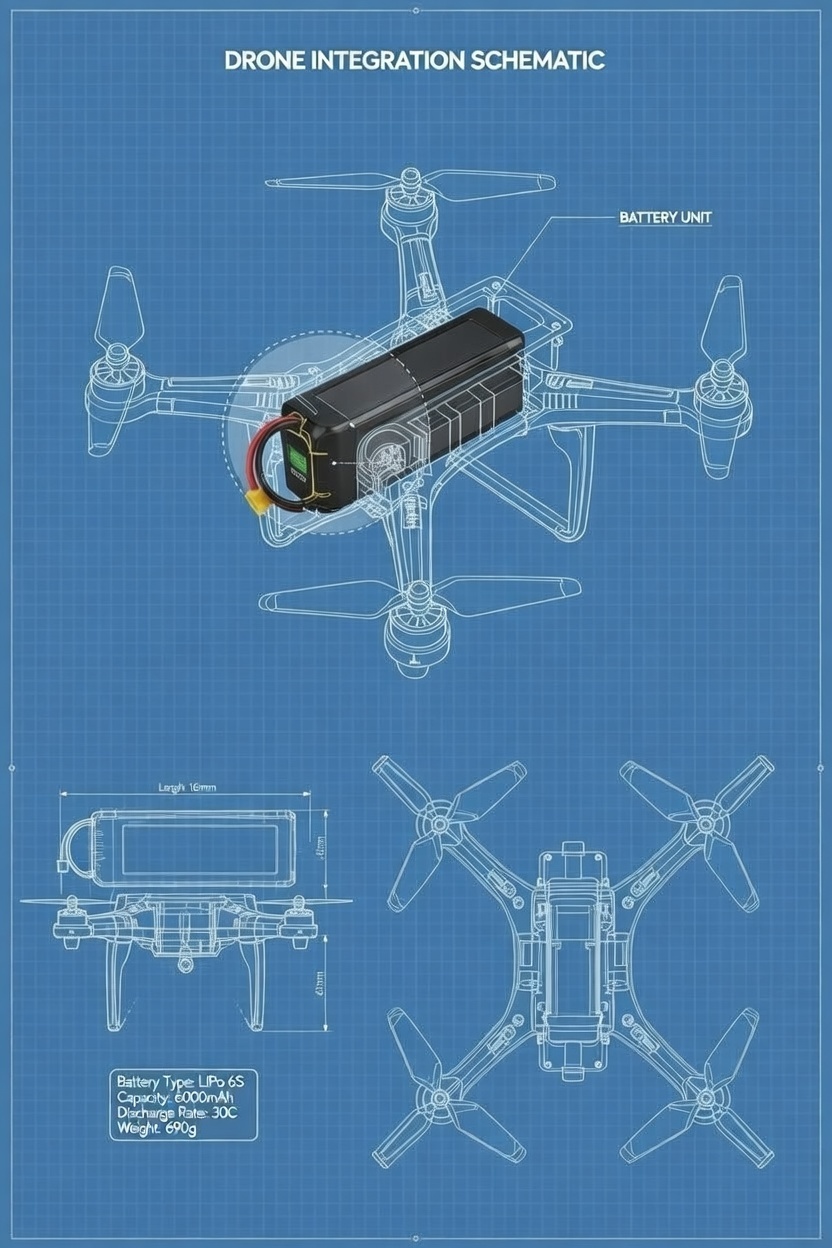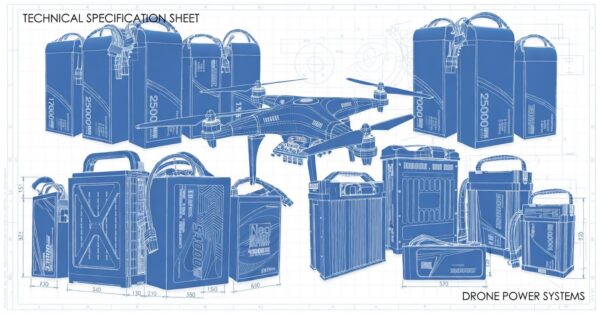
When emergency strikes, can your drone team rely on battery performance that won’t fail when lives depend on it?
Disaster relief operations demand flawless equipment performance. Yet, 68% of drone mission failures in humanitarian contexts trace back to power system incompatibilities or battery safety incidents. For disaster response teams operating in unpredictable environments, understanding drone battery safety and technical compatibility isn’t optional—it’s mission-critical.
This guide delivers actionable insights on selecting, maintaining, and deploying drone battery systems that keep your aerial operations running when communities need them most.
Why Battery Compatibility Matters in Emergency Response
Disaster zones present unique challenges: extreme temperatures, limited charging infrastructure, extended operation times, and rapid deployment requirements. A battery that performs flawlessly in controlled conditions may fail catastrophically in the field.
Key Risk Factors:
- Thermal runaway in high-temperature environments
- Voltage mismatches between drones and battery packs
- Incompatible charging systems during extended operations
- Transportation restrictions affecting battery logistics
According to the International Air Transport Association (IATA), new regulations effective January 2026 require stricter classification and packaging for lithium battery transport. Disaster relief teams must understand these requirements to avoid operational delays.
Essential Technical Compatibility Checklist
Before deploying drones in disaster relief operations, verify these critical compatibility factors:
| Compatibility Factor | Minimum Standard | Recommended Practice |
|---|---|---|
| Voltage Range | ±5% of drone specification | ±3% with real-time monitoring |
| Temperature Operating Range | -10°C to 50°C | -20°C to 60°C with thermal protection |
| Charge Cycle Life | 300+ cycles | 500+ cycles with degradation tracking |
| Energy Density | 200+ Wh/kg | 250+ Wh/kg for extended missions |
| Safety Certification | UN 38.3, IEC 62133 | Additional aviation-specific certifications |
Battery Chemistry Considerations
Lithium Polymer (LiPo): Offers high energy density but requires careful handling. Best for short-duration, high-power missions.
Lithium-Ion (Li-ion): More stable chemistry with longer cycle life. Ideal for extended surveillance operations.
Solid-State Batteries: Emerging technology with 65% projected market growth through 2032. Superior safety profile makes them increasingly attractive for humanitarian operations.
Safety Protocols for Field Operations
Pre-Deployment Verification
- Visual Inspection: Check for swelling, damage, or corrosion on all battery packs
- Voltage Testing: Verify each cell maintains balanced voltage within 0.05V tolerance
- Capacity Testing: Confirm actual capacity matches specifications within 10%
- Connection Integrity: Ensure all connectors show no wear or oxidation
During Operations
- Never charge batteries inside enclosed spaces or vehicles
- Maintain minimum 3-meter separation between charging stations and operational areas
- Use only manufacturer-approved charging equipment
- Monitor battery temperature during charging—discontinue if exceeding 45°C
- Implement rotation schedules to prevent overuse of individual packs
Post-Mission Procedures
- Allow batteries to cool before storage (minimum 30 minutes)
- Store at 40-60% charge for periods exceeding 48 hours
- Document cycle counts and performance degradation
- Remove from service any pack showing 20%+ capacity loss
Transportation and Regulatory Compliance
The 2026 IATA Dangerous Goods Regulations introduce specific requirements for battery transport that directly impact disaster relief logistics:
Air Transport Requirements:
- Batteries must be classified under correct UN numbers based on chemistry
- State of charge cannot exceed 30% for spare batteries
- Individual packaging required for each battery pack
- Documentation must accompany all shipments
Ground Transport Considerations:
- Fire-resistant storage containers mandatory for quantities exceeding 10 packs
- Temperature monitoring during extended transport
- Separation from flammable materials
Building a Resilient Battery Inventory
Disaster relief teams should maintain diversified battery portfolios:
Primary Flight Batteries: 60% of inventory—optimized for current drone fleet
Backup Compatibility Packs: 25% of inventory—adaptable across multiple platforms
Emergency Reserve: 15% of inventory—long-shelf-life chemistry for extended standby
Recommended Inventory Rotation
| Battery Age | Status | Action Required |
|---|---|---|
| 0-12 months | Primary Deployment | Regular use in operations |
| 12-24 months | Secondary Deployment | Monitor capacity, reduce critical missions |
| 24-36 months | Backup Only | Monthly testing, replace if degradation exceeds 15% |
| 36+ months | Retirement | Safe disposal and replacement |
Common Compatibility Pitfalls to Avoid
Voltage Mismatch: Using batteries with nominal voltages outside drone tolerance ranges causes premature failure and potential safety incidents.
Connector Incompatibility: Field adaptations using non-standard connectors increase resistance and fire risk.
Charging System Conflicts: Mixing charging equipment across battery generations leads to improper charge cycles and reduced lifespan.
Temperature Ignorance: Operating batteries outside specified temperature ranges accelerates degradation and increases failure probability.
Investment in Training and Documentation
Technical compatibility means nothing without proper human oversight. Disaster relief teams should implement:
- Quarterly battery safety training for all drone operators
- Standardized documentation for battery tracking and maintenance
- Clear protocols for identifying and removing compromised batteries
- Regular equipment audits aligned with manufacturer recommendations
The Cost of Compromise
Battery-related drone failures during disaster operations carry consequences beyond equipment loss:
- Mission delays affecting timely aid delivery
- Safety risks to ground personnel from battery incidents
- Reputational damage affecting future funding and partnerships
- Potential regulatory violations with legal implications
Investing in proper battery compatibility and safety protocols typically represents 8-12% of total drone program budgets but prevents 85%+ of power-related mission failures.
Moving Forward with Confidence
Drone technology continues evolving, with solid-state batteries and smart battery management systems offering improved safety profiles. However, fundamental compatibility principles remain constant: verify specifications, maintain proper procedures, and prioritize safety over convenience.
Disaster relief teams that master drone battery safety gain operational reliability when communities need it most. The technical details matter because lives depend on equipment that performs without compromise.
Need Expert Guidance on Drone Battery Compatibility?
Ensuring your disaster relief drone fleet operates with maximum safety and reliability requires specialized knowledge. Our team provides comprehensive battery compatibility assessments, safety audits, and customized solutions for humanitarian operations.
Contact us today for a consultation on optimizing your drone battery systems for disaster relief missions.
📧 Reach out: https://cnsbattery.com/drone-battery-home/drone-battery-contact
Your mission is critical. Your equipment should be too.
Key Takeaways:
- Verify voltage, temperature, and capacity compatibility before deployment
- Follow 2026 IATA regulations for battery transportation
- Implement systematic inspection and rotation protocols
- Invest in training—human oversight prevents most battery incidents
- Maintain diversified battery inventory for operational resilience
- Prioritize safety certifications over cost savings
Article optimized for disaster relief coordinators, drone operations managers, and humanitarian technology specialists seeking actionable drone battery safety guidance.