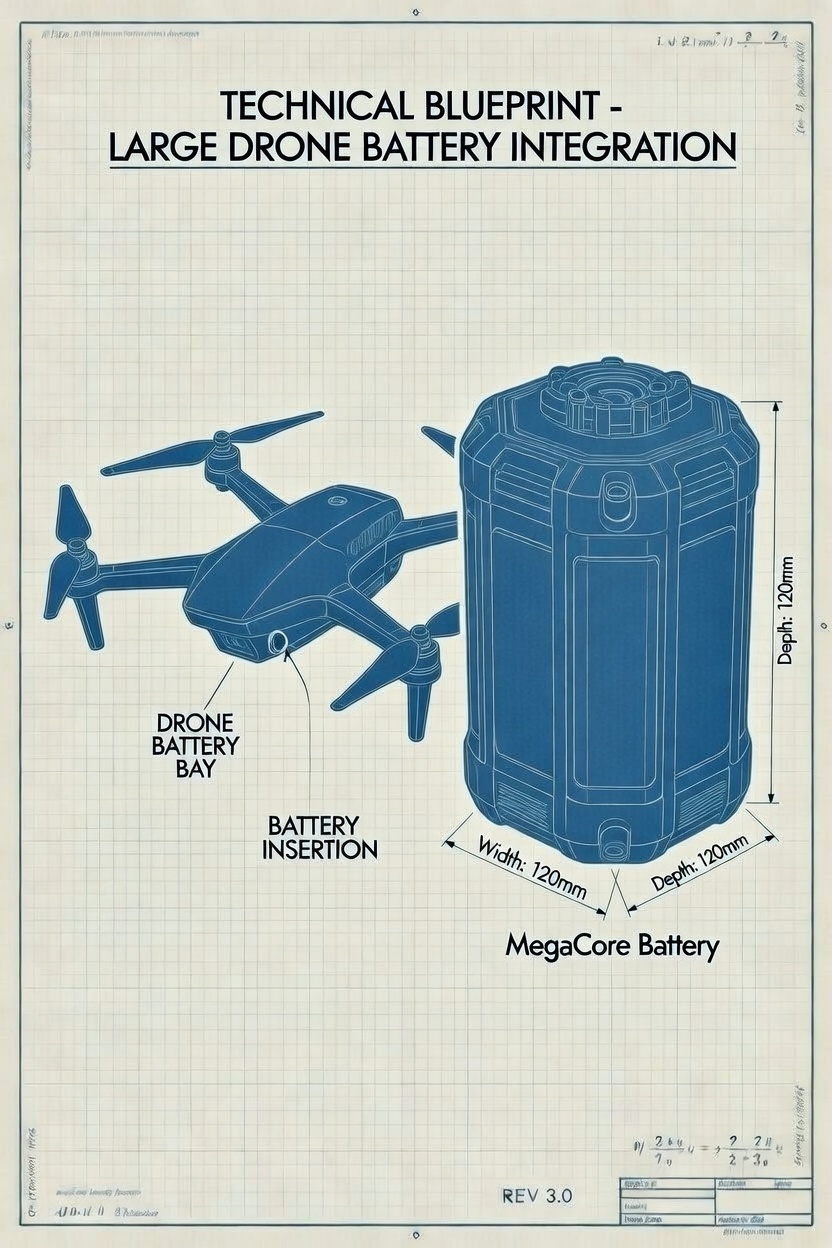
Drone Battery Safety: Essential Regulatory Compliance for Logistics Delivery
The sky is no longer the limit; it is the new highway. As we navigate through 2026, the logistics industry has witnessed a paradigm shift. Autonomous aerial vehicles are no longer prototypes gathering dust in hangars; they are the backbone of last-mile delivery networks spanning from dense urban centers to remote rural outposts. Yet, amidst this technological revolution, one component remains the critical linchpin of safety and operational legality: the power source. Drone battery safety is not merely a technical specification; it is a regulatory imperative that defines the boundary between successful delivery and catastrophic failure.
For logistics managers, safety officers, and fleet operators, understanding the intricate web of regulatory compliance is as crucial as understanding flight paths. This guide dives deep into the essential standards, optimization strategies, and safety protocols required to keep your logistics delivery operations airborne and compliant in the modern era.
The 2026 Regulatory Landscape: Navigating Global Standards
The regulatory environment for unmanned aerial systems (UAS) has matured significantly. In 2026, compliance is no longer optional; it is enforced with stringent penalties. Major aviation authorities, including the Federal Aviation Administration (FAA) in the United States and the European Union Aviation Safety Agency (EASA), have updated their frameworks to address the specific risks associated with high-capacity lithium-ion batteries used in industrial logistics.
According to recent data from the International Air Transport Association (IATA), incidents related to improper battery handling in cargo logistics decreased by 15% in 2025 due to stricter adherence to the Dangerous Goods Regulations (DGR) 67th Edition. However, the risk remains. For drone logistics, the focus is on three core pillars:
- Transport Classification: Batteries are classified as Class 9 Dangerous Goods. Understanding the specific UN numbers (such as UN3480 for lithium-ion batteries) is fundamental for shipping spare packs to distribution hubs.
- State of Charge (SoC) Limits: As of January 1, 2026, regulations mandate that lithium batteries transported by air must not exceed a 30% state of charge unless specific exemptions are granted for installed equipment. This reduces the energy potential available for thermal runaway during transit.
- Battery Passport Implementation: The emerging concept of the “Battery Passport” is gaining traction, requiring digital records of a battery’s health, origin, and compliance history. This ensures traceability throughout the supply chain.
Failure to comply with these standards can ground your fleet. It is not just about avoiding fines; it is about maintaining the trust of your clients and the safety of the public below. For detailed specifications on compliant industrial units, you can 了解我们的工业无人机电池规格.
Core Safety Protocols for Logistics Delivery
Safety in drone logistics extends beyond the flight itself. It encompasses the entire lifecycle of the battery, from storage to charging, and finally to transportation. A robust safety protocol minimizes the risk of thermal events, which can be devastating in a warehouse environment.
Storage and Handling
Proper storage is the first line of defense. Batteries should be kept in fire-resistant containers or cabinets designed specifically for lithium-ion chemistry. Temperature control is vital; extreme heat or cold can degrade cell integrity. In 2026, smart warehouses utilize IoT sensors to monitor battery temperature and humidity in real-time, alerting staff before conditions become hazardous.
Charging Stations
Charging infrastructure must be isolated from general storage areas. Automated charging stations should include overcharge protection and balance charging capabilities. It is recommended to implement a “charging watch” system where active charging sessions are monitored either visually or via remote telemetry.
Transportation of Spare Batteries
When moving spare batteries between distribution centers, packaging must meet UN performance standards. This includes using strong outer packaging, cushioning materials to prevent movement, and clear labeling indicating the presence of lithium batteries. Drivers and handlers must be trained in dangerous goods handling to ensure they know how to react in case of a leak or smoke event.
Optimization Methods for Battery Management
To maximize efficiency while maintaining safety, logistics operators must adopt a proactive approach to battery management. Below are optimized methods to ensure your fleet remains compliant and operational.
- Implement Predictive Maintenance: Utilize data analytics to predict battery health. Instead of waiting for a failure, replace cells that show signs of internal resistance increase or capacity fade. This prevents unexpected downtime and reduces safety risks.
- Standardize Charging Cycles: Avoid deep discharges whenever possible. Keeping batteries within a 20% to 80% charge window during operational cycles can significantly extend their lifespan and maintain chemical stability.
- Regular Compliance Audits: Conduct quarterly audits of your battery storage and handling procedures. Ensure that all labeling is up to date with the 2026 regulations and that staff certifications are current.
- Thermal Runaway Containment: Invest in fire suppression systems specifically rated for lithium-ion fires. Traditional water sprinklers may not be sufficient; specialized agents or containment boxes are recommended for high-density storage areas.
- Digital Logging: Maintain digital logs for every battery pack. Track the number of cycles, charging dates, and any incidents. This data is invaluable for regulatory inspections and warranty claims.
For more in-depth strategies on maintaining your power systems, we encourage you to 了解电池维护最佳实践.
Risk Mitigation and Emergency Response
Despite the best precautions, emergencies can occur. A comprehensive risk mitigation plan is essential for any logistics company operating drone fleets.
Immediate Response Protocol:
In the event of a battery smoking or catching fire, the priority is human safety. Evacuate the area immediately. Do not attempt to move a burning battery unless it is safe to do so with proper protective equipment. Lithium battery fires can reignite, so continuous monitoring is required even after the initial flames are extinguished.
Reporting Requirements:
Regulatory bodies require immediate reporting of significant safety incidents. This includes fires, explosions, or any event that results in injury or significant property damage. Transparent reporting helps the industry improve safety standards and protects your organization from liability claims related to negligence.
Training and Drills:
Regular training drills should be conducted for all ground staff. They must know the location of fire extinguishers, emergency shut-off switches, and evacuation routes. Knowledge is the most effective tool in mitigating risk.
Frequently Asked Questions (FAQ)
Q1: What are the specific labeling requirements for drone batteries in 2026?
A1: In 2026, labels must include the UN number (e.g., UN3480), the proper shipping name, and the new lithium battery handling label which includes a phone number for additional information. The label must be durable and visible on the outer packaging.
Q2: Can I transport damaged drone batteries via air freight?
A2: Generally, no. Damaged or defective batteries are forbidden from air transport unless approved by the relevant national authority and the operator under strict conditions. They should be transported by ground using specific dangerous goods protocols.
Q3: How often should industrial drone batteries be inspected?
A3: For logistics operations, a visual inspection should be conducted before every use. A detailed technical inspection, including voltage checks and internal resistance testing, should be performed monthly or after every 50 cycles, whichever comes first.
Q4: What happens if my battery exceeds the 30% SoC limit during transport?
A4: If a battery exceeds the limit without proper exemption, it may be rejected by the carrier, confiscated, or result in fines. In worst-case scenarios, it could lead to safety incidents during flight. Always verify SoC before handing over to logistics providers.
Q5: Where can I find compliant battery solutions for my fleet?
A5: It is crucial to source batteries from manufacturers who adhere to international safety standards. You can visit our 首页 to explore our range of certified solutions designed for heavy-lift logistics.
Conclusion: Powering the Future Responsibly
The future of logistics is electric, autonomous, and aerial. However, this future rests on the foundation of safety. Drone battery safety is not a static checklist; it is a dynamic commitment to excellence, continuous learning, and strict adherence to evolving regulations. As we move further into 2026, the companies that thrive will be those that prioritize compliance as much as they prioritize speed.
By implementing robust safety protocols, staying updated on regulatory changes, and investing in high-quality, compliant power sources, you ensure that your delivery network remains resilient. The sky is open for business, but only for those who fly safely.
Ready to elevate your logistics safety standards? Our team of experts is ready to assist you in selecting the right power solutions and navigating the complex landscape of battery compliance. Do not leave your operational safety to chance.
联系我们 today to discuss how we can support your fleet’s energy needs with certified, safe, and high-performance drone batteries. Together, let’s build a safer, more efficient future for aerial logistics.