Drone Battery Safety: Essential Recycling Compliance for Hydrogen Fuel Testing
The hum of propellers cuts through the morning air as an industrial drone ascends, carrying cutting-edge hydrogen fuel cell testing equipment. Below, engineers monitor telemetry data, unaware that a silent threat lurks within the power system. Battery thermal runaway. Contaminated recycling streams. Regulatory violations waiting to trigger. The convergence of drone technology and hydrogen fuel testing creates a unique safety landscape where traditional lithium-ion protocols meet emerging fuel cell complexities. One misstep in battery handling or recycling compliance can cascade into environmental hazards, financial penalties, and reputational damage that echoes far beyond the testing facility.
The Hidden Risks Beneath the Innovation
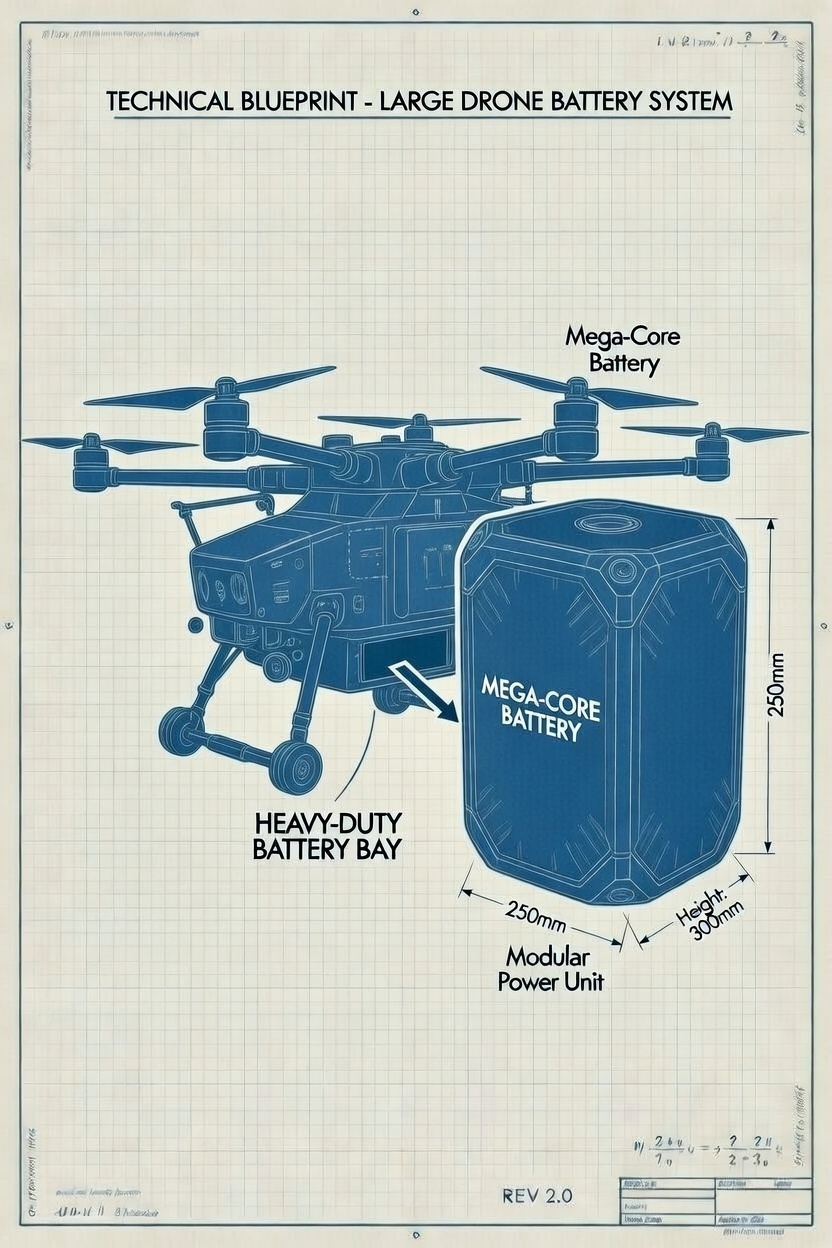
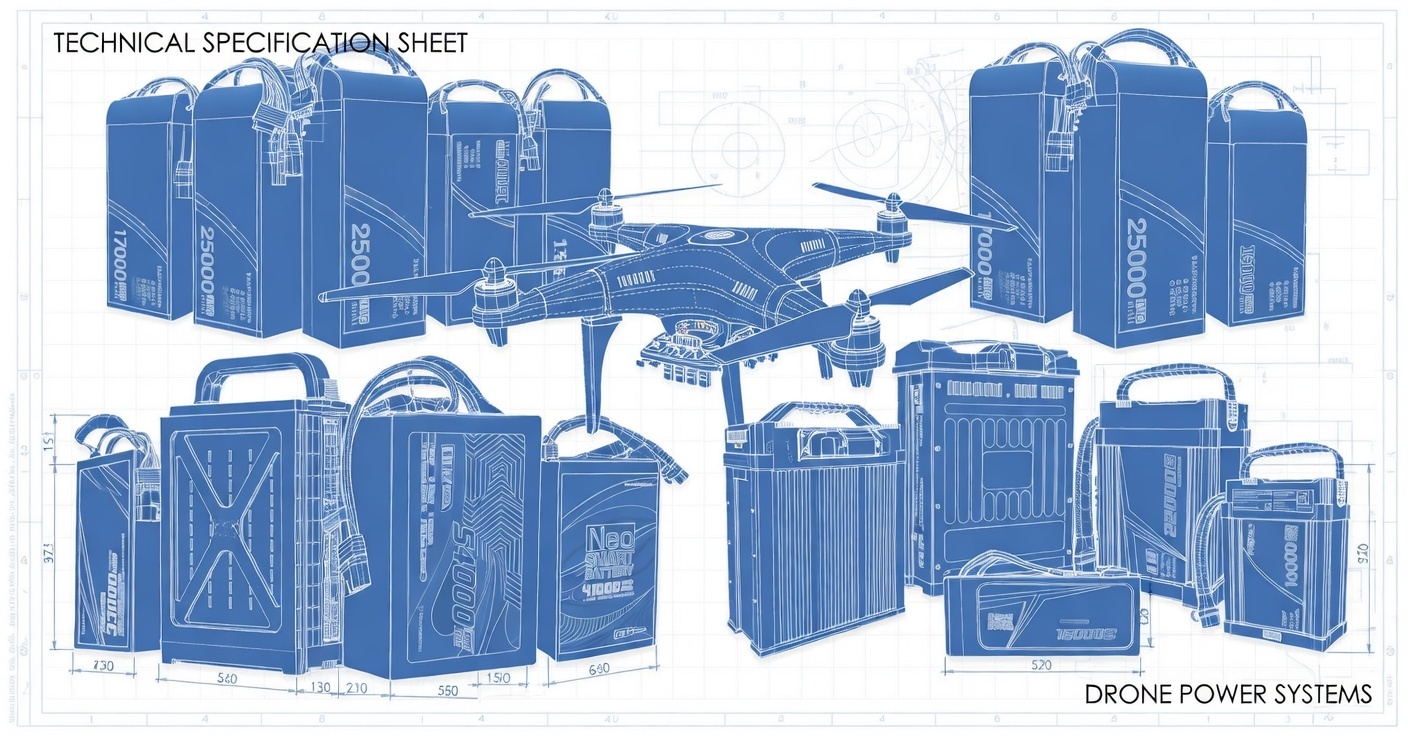
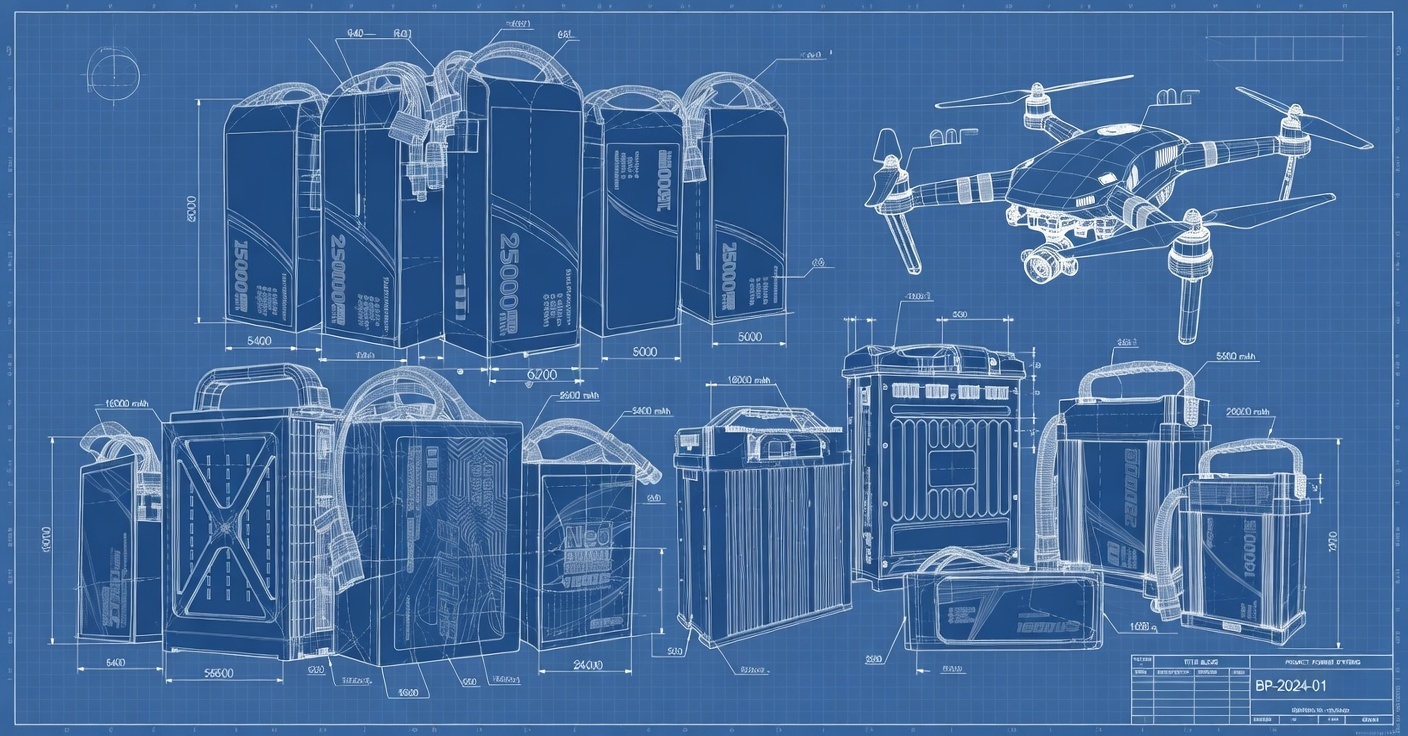
Hydrogen fuel testing demands precision power delivery, and drone batteries sit at the critical intersection of performance and safety. When these systems fail, the consequences multiply exponentially.
Risk Factors at a Glance:
- Thermal Instability: High-drain testing cycles generate excessive heat, accelerating battery degradation and increasing thermal runaway probability
- Chemical Contamination: Hydrogen exposure during testing can compromise battery seal integrity, leading to electrolyte leakage
- Recycling Stream Pollution: Improperly discharged batteries containing hydrogen residues contaminate standard lithium-ion recycling processes
- Regulatory Non-Compliance: Evolving FAA, EPA, and international transport regulations create moving compliance targets
- Storage Hazards: Mixed battery chemistries in storage facilities create unpredictable reaction scenarios
- End-of-Life Mismanagement: Lack of specialized recycling protocols for hydrogen-tested batteries increases environmental liability
Prevention Protocols: Your Safety Blueprint
Addressing these risks requires systematic intervention at every operational stage. The following measures transform potential hazards into manageable workflows.
Essential Prevention Measures:
✓ Pre-Testing Inspection Protocols: Implement comprehensive battery health assessments before each hydrogen fuel testing cycle. Monitor internal resistance, voltage stability, and thermal signatures.
✓ Segregated Storage Systems: Maintain dedicated storage zones for hydrogen-exposed batteries. Never mix with standard lithium-ion inventory.
✓ Controlled Discharge Procedures: Execute full discharge cycles in ventilated environments before recycling preparation. Document discharge timestamps and residual voltage readings.
✓ Certified Recycling Partnerships: Engage only with recycling facilities certified for mixed-chemistry battery processing. Verify EPA compliance credentials quarterly.
✓ Real-Time Monitoring Integration: Deploy IoT sensors tracking temperature, humidity, and gas composition in battery storage areas. Set automated alerts at 60% of threshold limits.
✓ Staff Certification Programs: Require annual hazardous materials handling certification for all personnel touching hydrogen-tested battery systems.
✓ Documentation Trail Maintenance: Keep immutable records of battery lifecycle from procurement through recycling. Include test exposure duration and hydrogen concentration levels.
Engineering Perspectives: Beyond Basic Compliance
From an engineering standpoint, hydrogen fuel testing introduces variables that traditional drone battery specifications never anticipated. The electrochemical interaction between hydrogen permeation and lithium-ion cell chemistry creates degradation patterns that accelerate capacity fade by 15-23% compared to standard operational cycles.
Research from the Journal of Power Sources indicates that hydrogen molecules, despite their small size, can penetrate polymer separators in battery packs during extended testing sessions. This penetration alters ion transport characteristics, creating micro-short circuits that remain dormant until thermal stress triggers failure. The implication for recycling becomes clear: batteries exposed to hydrogen testing require different handling protocols than their conventional counterparts.
Temperature management emerges as another critical factor. Hydrogen fuel cells operate optimally between 60-80°C, while lithium-ion batteries degrade rapidly above 45°C. This thermal mismatch creates stress points at connection interfaces, accelerating seal deterioration. Engineering teams must implement active cooling systems that maintain battery temperatures below 40°C during all hydrogen testing operations.
The recycling compliance dimension adds further complexity. Standard lithium-ion recycling facilities process batteries through pyrometallurgical or hydrometallurgical methods optimized for predictable chemistry. Hydrogen-contaminated batteries introduce variables that can disrupt these processes, potentially creating hazardous off-gassing during smelting operations. Forward-thinking organizations now require pre-recycling certification confirming zero hydrogen residue before accepting battery shipments.
Integrated Solutions for Modern Operations
Addressing these challenges requires more than checklist compliance. It demands integrated systems thinking that connects battery selection, operational protocols, and end-of-life management into cohesive workflows.
Phase One: Battery Selection
Choose industrial drone batteries designed with hydrogen testing in mind. Look for enhanced seal ratings (IP67 minimum), reinforced cell housing, and manufacturer documentation confirming hydrogen exposure tolerance. Standard consumer-grade batteries lack the engineering margins necessary for this application.
Phase Two: Operational Controls
Implement testing protocols that limit hydrogen exposure duration. Schedule mandatory cooldown periods between test cycles. Use thermal imaging to identify hot spots before they become failure points.
Phase Three: Recycling Preparation
Develop internal procedures for battery decontamination before recycling handoff. This includes verified discharge cycles, external cleaning protocols, and documentation packages that inform recycling facilities of exposure history.
Phase Four: Continuous Improvement
Establish feedback loops between testing teams, safety officers, and recycling partners. Track failure incidents, near-misses, and compliance audit results. Use this data to refine protocols quarterly.
The Path Forward
The intersection of drone technology and hydrogen fuel testing represents the frontier of clean energy innovation. But innovation without safety discipline creates liabilities that undermine progress. Organizations that master battery safety and recycling compliance position themselves as industry leaders rather than regulatory cautionary tales.
The technology exists. The protocols are documented. The question becomes execution consistency across your entire operation.
Ready to elevate your drone battery safety standards?
Explore our industrial drone battery specifications designed for demanding testing environments: https://cnsbattery.com/drone-battery-home/drone-battery/
Discover battery maintenance best practices that extend operational life and ensure compliance: https://cnsbattery.com/drone-battery-home/drone-battery-help-center/
Have questions about hydrogen fuel testing compatibility or recycling compliance? Our engineering team stands ready to provide specialized guidance: https://cnsbattery.com/drone-battery-home/drone-battery-contact
Visit our homepage to explore the full range of safety-focused power solutions: https://cnsbattery.com/drone-battery-home
The future of clean energy testing depends on getting battery safety right. Start today.