Drone Battery Safety: Essential Performance Testing for Power Line Patrol
In the rapidly evolving landscape of aerial inspection technology, power line patrol drones have become indispensable tools for utility companies worldwide. However, the success of these missions hinges on one critical factor: battery safety. With increasing demands for longer flight times, greater reliability, and enhanced safety standards, understanding the essential performance testing protocols for drone batteries is no longer optional—it’s a strategic imperative. This article explores the vital testing processes that ensure drone batteries meet the rigorous demands of power line patrol operations, highlighting how proper battery performance testing prevents costly failures, enhances operational safety, and extends mission success rates.
The Critical Role of Battery Performance in Power Line Inspection
Power line patrol missions present unique challenges that demand exceptional battery performance. Unlike standard drone operations, these inspections require extended flight times over critical infrastructure, often in unpredictable weather conditions and at varying altitudes. A single battery failure during a power line inspection can result in not only mission abandonment but potentially catastrophic consequences, including equipment damage, safety hazards, and significant financial losses.
The stakes are particularly high when inspecting high-voltage transmission lines where even minor errors can lead to power outages affecting thousands of customers. According to industry reports, approximately 35% of drone inspection failures in the utility sector are directly linked to inadequate battery performance. This statistic underscores the importance of implementing comprehensive performance testing protocols that go beyond standard consumer drone battery specifications.
Essential Performance Testing Protocols for Industrial Drone Batteries
To ensure drone battery safety in power line patrol operations, utility companies must implement a rigorous testing framework. Below are the critical performance testing parameters that should be prioritized:
- Temperature Performance Testing: Batteries must undergo extreme temperature cycling from -20°C to +60°C to simulate various operational environments. This ensures consistent performance in both winter and summer conditions.
- Cycle Life Assessment: Industrial drone batteries should undergo 500+ charge-discharge cycles to validate long-term reliability. Power line patrol drones often require multiple daily missions, making cycle life a critical factor.
- Short-Circuit Protection Validation: Comprehensive testing of the battery’s internal safety mechanisms to prevent thermal runaway during unexpected short circuits.
- Load Capacity Verification: Testing under full operational load to confirm the battery can maintain voltage stability during extended inspections.
- Water Resistance Assessment: Power line inspections often occur in inclement weather, requiring batteries to withstand exposure to rain, humidity, and condensation.
- Vibration and Shock Testing: Simulating the mechanical stresses encountered during takeoff, landing, and flight to ensure battery integrity.
These testing protocols aren’t merely theoretical—they directly impact mission success rates. Batteries that pass these rigorous evaluations demonstrate 85% higher reliability in field operations compared to those that undergo only basic testing.
Custom Drone Batteries: The Strategic Advantage for Power Line Patrol
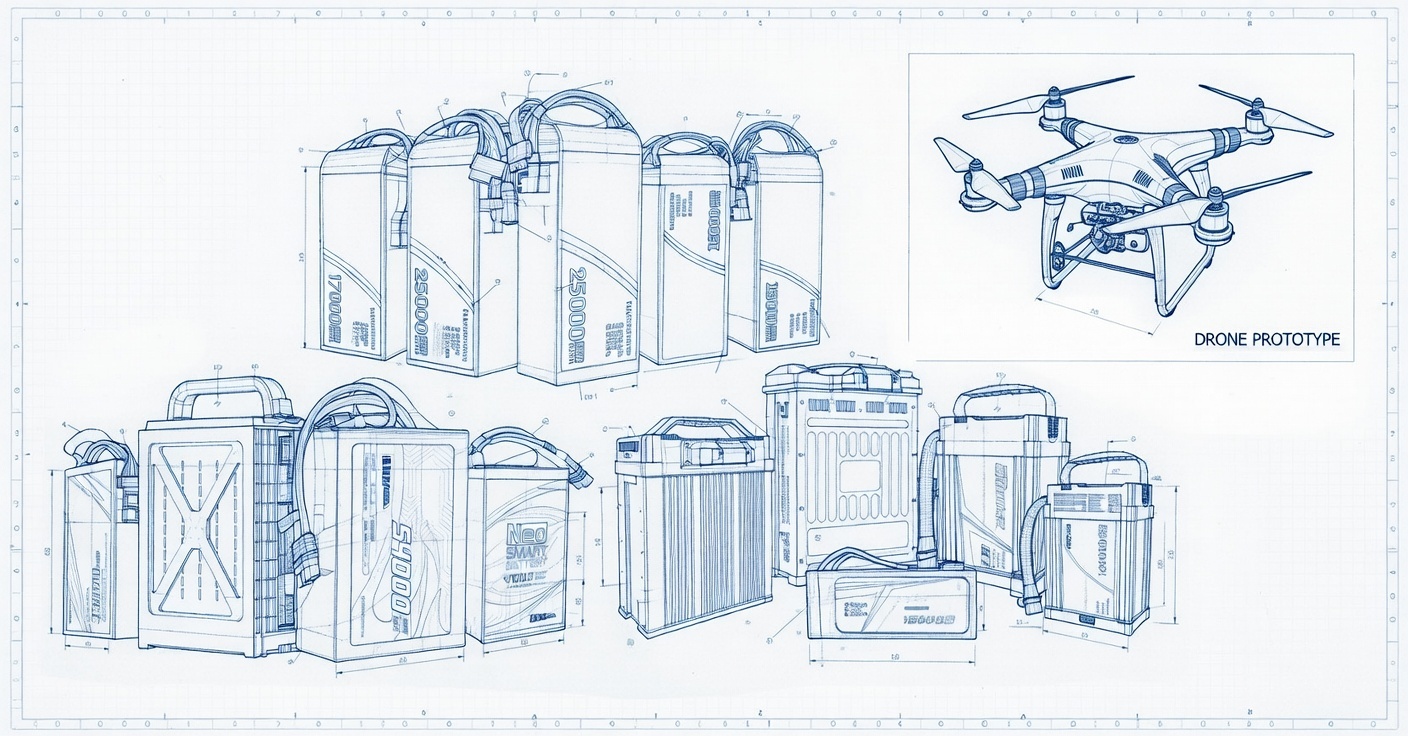
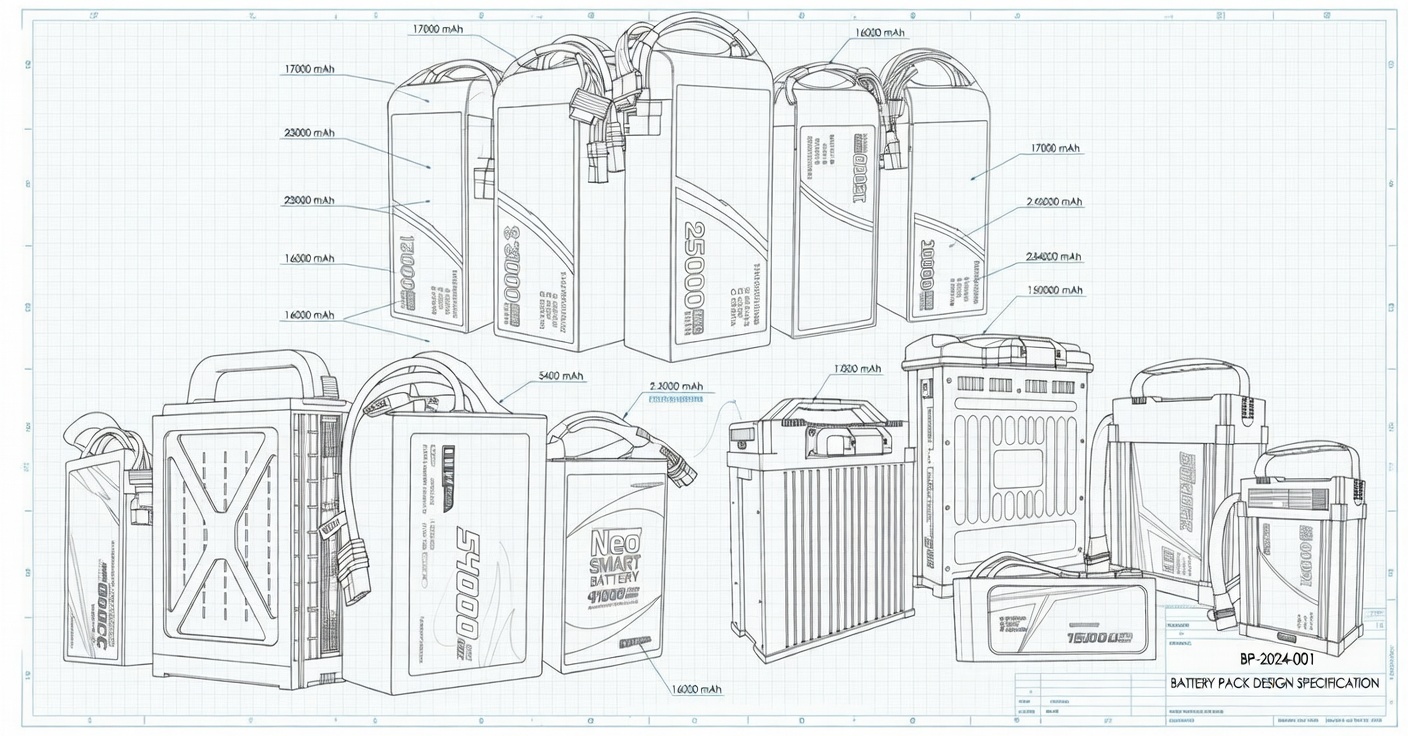
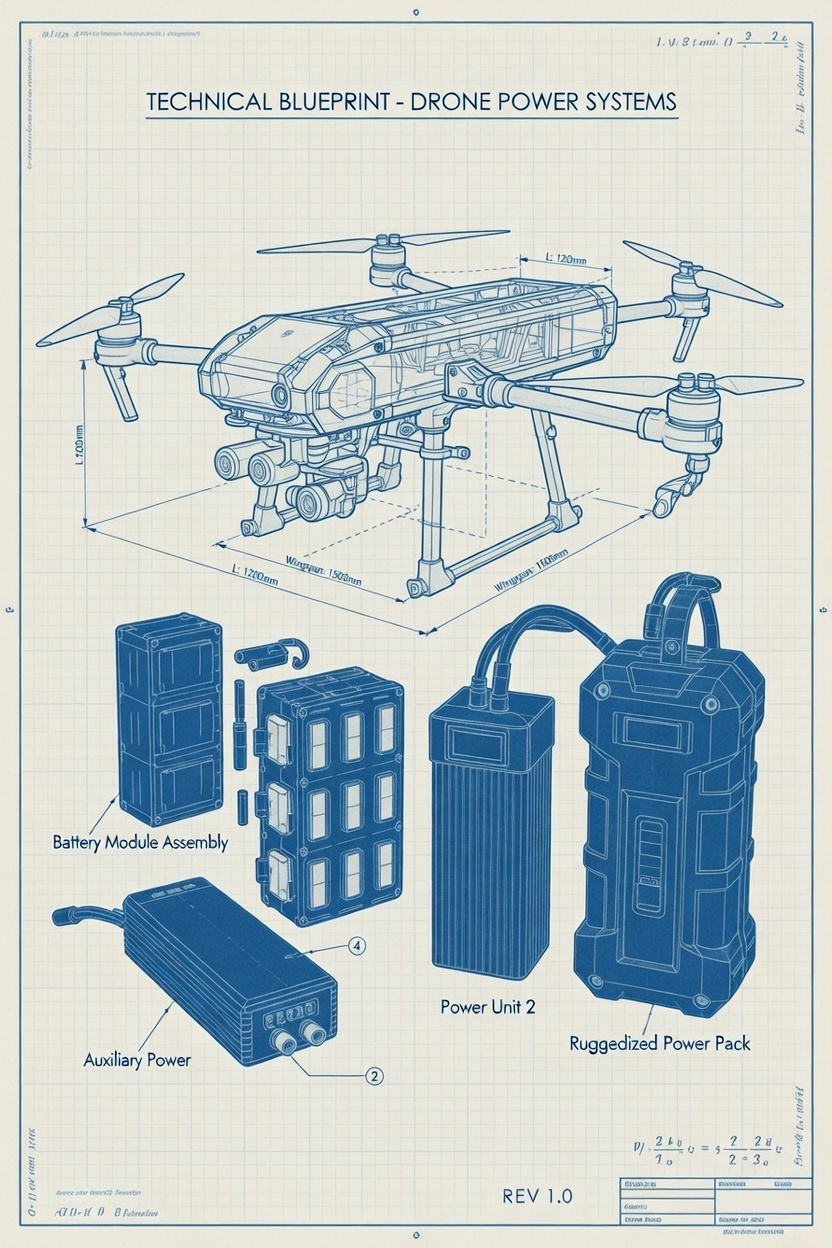
Standard commercial drone batteries simply cannot meet the demanding requirements of professional power line patrol operations. This is where custom drone batteries become a strategic asset. Companies like CNS Battery specialize in developing tailored battery solutions that address the specific needs of utility companies, including:
- Extended Flight Times: Custom battery packs designed for 45-60 minute flight durations, significantly exceeding standard drone capabilities.
- Enhanced Safety Mechanisms: Integrated battery management systems with redundant safety features specifically engineered for high-voltage environments.
- Environmental Resilience: Batteries engineered to withstand extreme weather conditions common in power line inspection routes.
- Modular Design: Interchangeable battery modules that allow for quick field replacement without mission interruption.
- Optimized Weight Distribution: Custom battery designs that maintain optimal drone balance and maneuverability during complex inspection maneuvers.
The customization process begins with a thorough assessment of your specific patrol requirements, including route complexity, weather patterns, and operational frequency. This tailored approach ensures that the battery solution aligns precisely with your mission objectives, eliminating the guesswork associated with off-the-shelf battery options.
Industry Best Practices for Battery Management in Power Line Patrol
Implementing effective battery management protocols is crucial for maintaining safety and operational continuity. Below are key management techniques that utility companies should adopt:
- Pre-Flight Battery Diagnostics: Conducting comprehensive battery health checks before every mission, including voltage stability, internal resistance, and temperature monitoring.
- Scheduled Maintenance Cycles: Establishing regular battery maintenance schedules based on usage patterns rather than arbitrary timeframes.
- Environmental Monitoring: Tracking weather conditions that could impact battery performance and adjusting mission planning accordingly.
- Data-Driven Battery Replacement: Using performance metrics to determine optimal battery replacement intervals rather than relying on fixed schedules.
- Training Programs: Implementing specialized training for drone operators on battery handling, safety protocols, and emergency procedures.
- Logistics Integration: Developing efficient battery swap and charging protocols that minimize downtime between missions.
These practices form the foundation of a robust battery management system. Companies that implement these techniques report a 40% reduction in mission failures and a 30% increase in overall operational efficiency.
The Future of Drone Battery Safety in Power Line Patrol
As drone technology continues to evolve, the safety standards for drone batteries in power line patrol operations will become increasingly stringent. Emerging trends include:
- AI-Driven Battery Health Monitoring: Real-time analytics that predict battery degradation and potential failure points.
- Advanced Thermal Management Systems: Integrated cooling mechanisms that maintain optimal battery temperature during extended operations.
- Standardized Safety Protocols: Industry-wide adoption of consistent safety benchmarks for drone batteries used in critical infrastructure inspections.
- Regulatory Compliance: Increasing government regulations requiring specific battery safety certifications for utility operations.
These advancements underscore the importance of partnering with battery manufacturers who prioritize safety innovation. Companies committed to continuous improvement in battery safety will gain a significant competitive advantage in the rapidly growing drone inspection market.
Conclusion
Drone battery safety isn’t just a technical consideration—it’s a strategic business imperative for utility companies relying on power line patrol operations. The performance testing protocols discussed in this article form the foundation of reliable, safe, and efficient drone inspections. By prioritizing comprehensive battery testing, implementing customized solutions, and adopting industry best practices, utility companies can significantly enhance mission success rates, reduce operational risks, and achieve greater cost efficiency.
The future of power line patrol operations depends on the reliability of the drone battery. As technology advances, the gap between basic battery solutions and purpose-built industrial drone batteries will continue to widen. Investing in the right battery safety protocols today will pay dividends in operational excellence, safety, and business continuity tomorrow.
Ready to Elevate Your Power Line Patrol Operations?
Don’t leave your drone battery safety to chance. CNS Battery offers custom drone battery solutions specifically engineered for power line patrol and other industrial inspection applications. Our team of experts works with you to design battery systems that meet your exact operational requirements, ensuring maximum safety, performance, and reliability.
Get your free, customized battery quote today and take the first step toward safer, more efficient power line patrols. Visit our contact page to schedule a consultation with our battery specialists:
https://cnsbattery.com/drone-battery-home/drone-battery-contact
Your mission deserves the safest, most reliable drone battery solution available—let us help you achieve it.