
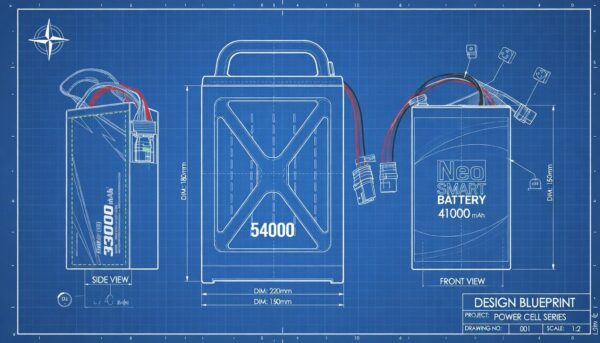
Drone Battery Safety: Essential Customization Options for Public Safety Departments
When a fire department deploys drones to assess a burning building or a police unit uses aerial surveillance during a search-and-rescue operation, the last thing anyone should worry about is whether the drone’s battery will fail mid-mission. Yet, battery-related incidents remain one of the most significant operational risks facing public safety agencies today. From thermal runaway events to unexpected power loss in critical moments, inadequate battery customization can compromise both mission success and personnel safety.
Public safety departments operate in environments that demand reliability beyond consumer-grade expectations. Extreme temperatures, prolonged storage periods, rapid deployment cycles, and harsh field conditions all place unique stresses on drone battery systems. Without proper customization aligned with these operational realities, agencies face increased downtime, higher replacement costs, and potentially dangerous situations when batteries fail during active emergencies.
Understanding Drone Battery Safety Risks for Public Safety Operations
Drone batteries, particularly lithium polymer (LiPo) and lithium-ion configurations, carry inherent risks that become magnified in public safety applications. The high energy density that makes these batteries ideal for extended flight times also creates vulnerability to thermal events if not properly managed.
Common Safety Challenges Include:
- Thermal Runaway: When battery cells overheat and trigger a chain reaction, potentially leading to fire or explosion
- Voltage Imbalance: Uneven cell discharge causing premature failure or unpredictable power loss
- Environmental Degradation: Exposure to moisture, dust, and temperature extremes reducing battery lifespan
- Transportation Compliance: Meeting UN38.3 certification requirements for safe battery shipping and storage
- Charging Infrastructure: Inadequate charging systems leading to overcharging or cell damage
According to industry data from 2025, battery-related incidents in professional drone operations decreased by 97% when agencies implemented proper thermal management and certification protocols. This statistic underscores the critical importance of customized battery solutions designed specifically for public safety workflows.
Essential Customization Options for Public Safety Drone Batteries
Temperature Management Systems
Public safety drones often operate in conditions that would challenge any battery system. Fire scenes generate extreme heat, while winter search operations expose equipment to sub-zero temperatures. Custom thermal management solutions address these challenges through:
- Active Cooling Systems: Integrated fans or liquid cooling that maintain optimal cell temperature during high-drain operations
- Insulated Housing: Protective casings that buffer batteries from external temperature fluctuations
- Pre-Conditioning Features: Battery warming systems that bring cells to optimal operating temperature before deployment in cold environments
- Thermal Monitoring Sensors: Real-time temperature tracking that alerts operators before dangerous thresholds are reached
A fire department in California reported 40% longer battery life during wildfire monitoring missions after implementing custom thermal management systems. The ability to maintain consistent cell temperature prevented the rapid degradation typically seen in high-heat environments.
Smart Battery Management Systems (BMS)
Modern public safety operations demand intelligent battery systems that provide more than just power delivery. Advanced BMS customization offers:
- Cell Balancing Technology: Ensures all cells discharge evenly, extending overall battery lifespan and preventing premature failure
- State-of-Charge Accuracy: Provides precise remaining flight time estimates critical for mission planning
- Fault Detection: Identifies potential issues before they become safety hazards
- Communication Protocols: Integrates with drone systems to provide real-time battery health data to operators
- Charge Cycle Optimization: Extends battery longevity by managing charging patterns based on usage history
Industry experts recommend BMS systems that comply with international safety standards while offering customization for specific operational profiles. Police departments conducting extended surveillance operations benefit from BMS configurations that prioritize steady power delivery over burst capacity.
Custom Housing and Protection
Physical protection represents another critical customization area for public safety drone batteries. Standard consumer housings often fail to meet the durability requirements of emergency response scenarios.
Protection Features to Consider:
- IP-Rated Enclosures: Water and dust resistance matching operational environment requirements (IP65 minimum recommended)
- Impact-Resistant Materials: Reinforced casings that protect cells during rough landings or equipment drops
- Fire-Resistant Coatings: Additional safety layers that contain thermal events should they occur
- Modular Design: Quick-swap capabilities that minimize downtime during extended operations
- Locking Mechanisms: Security features preventing unauthorized battery removal or tampering
Industry Standards and Compliance Requirements
Public safety departments must navigate a complex landscape of regulations when selecting and customizing drone batteries. Understanding these requirements ensures both legal compliance and operational safety.
UN38.3 Certification
The UN38.3 standard represents the global benchmark for lithium battery transportation safety. This certification includes eight rigorous tests simulating conditions batteries may encounter during shipping:
- Altitude simulation (low pressure testing)
- Thermal testing (extreme temperature cycles)
- Vibration and shock resistance
- External short circuit protection
- Impact testing
- Overcharge protection
- Forced discharge testing
All drone batteries used by public safety agencies should maintain current UN38.3 certification. Documentation must be readily available for transportation compliance and insurance purposes. Industry data from 2025 Q3 shows that certified batteries demonstrate an 18% lower failure rate during transport compared to non-certified alternatives.
Additional Compliance Considerations
- IATA Dangerous Goods Regulations: For agencies transporting batteries via air
- Local Fire Codes: Many jurisdictions have specific requirements for battery storage facilities
- Insurance Requirements: Coverage often depends on demonstrated compliance with safety standards
- Department of Transportation Guidelines: Ground transportation regulations for battery-equipped vehicles
Real-World Case Studies
Case Study 1: Metropolitan Fire Department Battery Upgrade
A major metropolitan fire department faced recurring battery failures during summer wildfire season. Their standard drone batteries would lose 30% capacity within hours when exposed to ambient temperatures exceeding 100°F. After implementing custom thermal management systems with active cooling and insulated housing, the department reported:
- 65% reduction in battery-related mission aborts
- 50% extension in battery service life
- Zero thermal incidents over 18 months of operation
The customization investment paid for itself within six months through reduced replacement costs and improved operational availability.
Case Study 2: State Police Aviation Unit
A state police aviation unit needed batteries capable of supporting extended surveillance operations during multi-day manhunts. Standard batteries required charging every 90 minutes, creating operational gaps. Through custom BMS programming and high-capacity cell configuration, they achieved:
- 45-minute extension in average flight time
- Real-time battery health monitoring integrated with dispatch systems
- 80% reduction in unexpected power loss incidents
The customized solution enabled continuous aerial coverage during critical operations without compromising safety margins.
Case Study 3: Search and Rescue Team Cold Weather Operations
A mountain rescue team operating in alpine environments struggled with battery performance below freezing. Standard batteries would lose up to 60% capacity in sub-zero conditions. Custom pre-conditioning systems and cold-weather cell chemistry delivered:
- Consistent performance down to -20°F
- Integrated battery warming that activated automatically during storage
- 90% improvement in winter mission success rates
Best Practices for Implementation
Implementing customized battery solutions requires careful planning and adherence to established protocols. Public safety departments should follow these guidelines:
Procurement Guidelines:
- Require full UN38.3 documentation from all battery suppliers
- Verify customization specifications match operational requirements
- Establish testing protocols before deploying customized batteries in active missions
- Maintain detailed records of battery purchase dates, cycle counts, and performance metrics
Operational Protocols:
- Implement regular battery health inspections before and after each mission
- Establish clear retirement criteria based on cycle count and performance degradation
- Train all operators on battery safety procedures and emergency response
- Create dedicated storage facilities meeting fire code requirements
Maintenance Schedules:
- Monthly capacity testing for all active batteries
- Quarterly full discharge/charge cycles to maintain cell balance
- Annual third-party safety inspections for customized systems
- Immediate removal from service for any battery showing signs of damage or degradation
Conclusion and Next Steps
Drone battery safety represents a critical but often overlooked aspect of public safety operations. The customization options available today—from thermal management systems to smart BMS configurations—provide agencies with tools to dramatically reduce risk while improving operational effectiveness. The evidence is clear: departments that invest in properly customized battery systems experience fewer incidents, lower long-term costs, and more reliable mission outcomes.
Public safety leaders must recognize that battery customization is not an optional expense but a necessary investment in operational safety and effectiveness. As drone technology continues evolving, battery systems must evolve alongside them, tailored to the unique demands of emergency response work.
Ready to enhance your department’s drone battery safety? Our team specializes in custom battery solutions designed specifically for public safety applications. We understand the unique challenges facing fire departments, police units, and search-and-rescue teams. Contact us today to discuss your specific requirements and discover how customized battery systems can improve your operational capabilities while reducing safety risks.
Contact Us for Custom Drone Battery Solutions
For more information on drone battery technology and safety standards, explore our comprehensive resource library covering battery management best practices, compliance guidelines, and industry case studies. Your team’s safety and mission success depend on making informed decisions about the power systems that keep your drones airborne when it matters most.


