Drone Battery Safety: Essential Customization Options for Plant Protection
The skies above modern agriculture are buzzing with innovation. Agricultural drones have transformed plant protection from a labor-intensive chore into a precision science. Yet beneath every successful flight lies a critical component that demands unwavering attention: the battery. Drone battery safety isn’t merely a technical consideration—it’s the foundation upon which entire harvests depend. This article explores essential customization options that keep your agricultural drones airborne, your crops protected, and your operations running smoothly. We’ll dive into practical management techniques, safety protocols, and strategic choices that separate thriving operations from costly setbacks.
The Critical Intersection of Safety and Performance
Agricultural drone operations face unique challenges that urban or recreational pilots never encounter. Chemical exposure, extended flight times, variable weather conditions, and remote field locations create a perfect storm of risk factors. Your drone battery must withstand these pressures while delivering consistent power throughout demanding spray missions.
Customization options exist precisely because one-size-fits-all solutions fail in agricultural environments. The right battery configuration can mean the difference between completing a 50-acre spray job efficiently or grounding your fleet midway through critical pest control windows.
Understanding Battery Customization Fundamentals
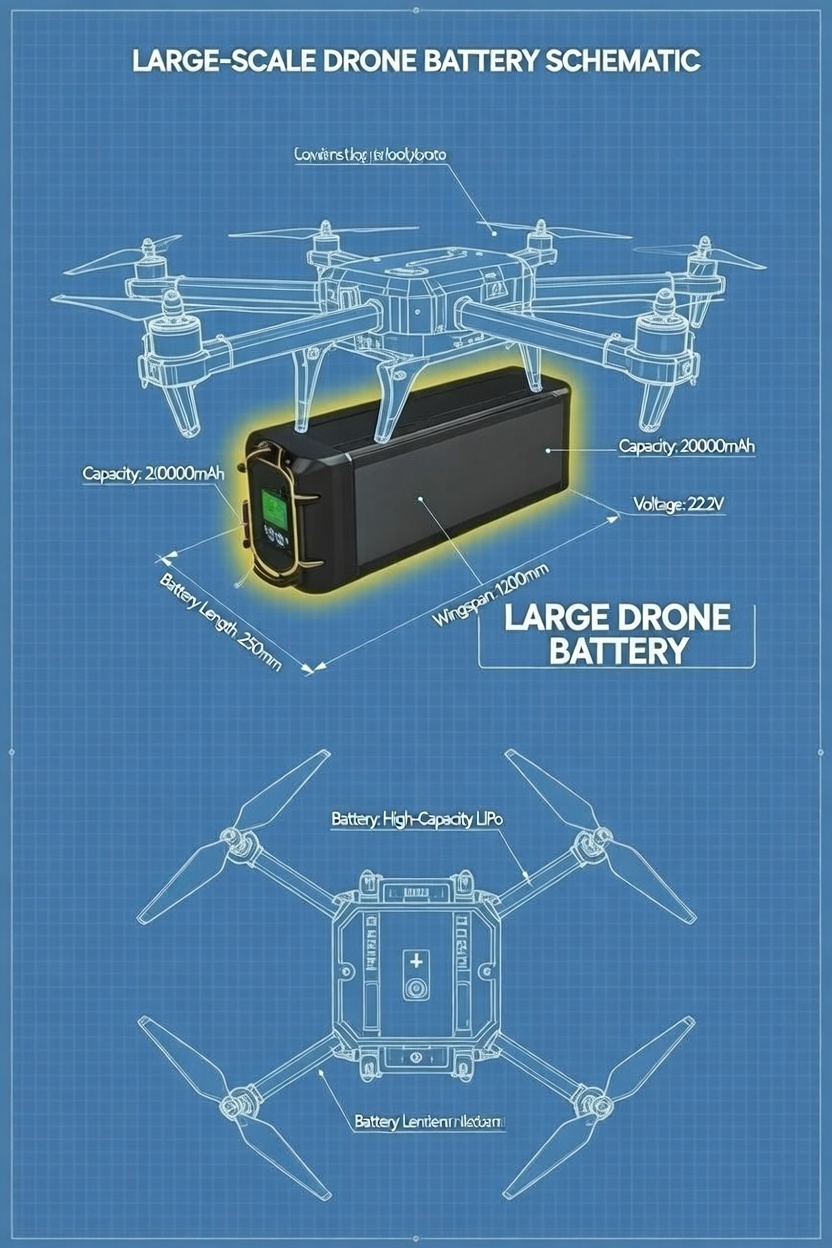
Before diving into safety protocols, operators must grasp what customization actually entails. Battery customization for plant protection drones involves several key parameters:
- Capacity Selection: Matching amp-hour ratings to your specific drone model and mission requirements
- Voltage Configuration: Ensuring compatibility with motor systems and electronic speed controllers
- Thermal Management: Implementing cooling or heating systems based on regional climate conditions
- Connector Types: Choosing ruggedized connections that resist chemical corrosion and vibration
- Smart Battery Features: Integrating communication protocols for real-time monitoring and diagnostics
Each decision point affects not only performance but also long-term safety outcomes. A battery optimized for hot climates may fail catastrophically in cold conditions without proper thermal customization.
Safety-First Customization Strategies
Chemical Resistance Protection
Plant protection drones operate in environments saturated with pesticides, herbicides, and fertilizers. These chemicals can degrade battery housings, corrode connections, and compromise sealing integrity over time. Custom battery solutions should include:
- Chemical-resistant outer casings manufactured from specialized polymers
- Sealed connector ports with IP67 or higher ratings
- Corrosion-resistant terminal materials such as gold-plated or nickel-coated contacts
- Protective sleeves for cable assemblies exposed during loading and maintenance
Thermal Management Systems
Battery temperature directly impacts both safety and longevity. Agricultural operations span diverse climates from tropical regions to temperate zones with significant seasonal variation. Custom thermal solutions include:
- Active cooling systems for hot climate operations exceeding 35°C ambient temperatures
- Integrated heating elements for cold weather flying below 10°C
- Temperature sensors with automatic discharge limiting when thresholds are exceeded
- Insulated battery compartments that maintain stable internal temperatures
Intelligent Monitoring Integration
Modern drone battery safety extends beyond physical protection into digital monitoring realms. Customization should enable:
- Real-time cell voltage monitoring with individual cell balancing
- State-of-charge accuracy within 3% tolerance
- Cycle counting for predictive maintenance scheduling
- Fault code logging for troubleshooting and warranty claims
- Wireless telemetry integration with ground control stations
Operational Management Techniques
Even the most sophisticated battery customization cannot replace disciplined operational practices. Implement these management techniques to maximize safety and performance:
Pre-Flight Inspection Protocol
- Visually inspect battery housing for cracks, swelling, or chemical residue
- Verify connector cleanliness and seating integrity
- Check voltage levels across all cells using diagnostic equipment
- Confirm firmware versions match drone controller requirements
- Document inspection results in maintenance logs
Charging Station Best Practices
- Designate fire-resistant charging areas away from combustible materials
- Use manufacturer-approved chargers with automatic shutoff features
- Never leave charging batteries unattended during active cycles
- Maintain ambient temperatures between 15°C and 25°C during charging
- Implement charging schedules that avoid overnight unattended sessions
Storage and Transportation Guidelines
- Store batteries at 50-60% state-of-charge for extended periods
- Maintain storage temperatures between 10°C and 25°C
- Use dedicated transport cases with shock absorption and ventilation
- Separate damaged batteries immediately and label clearly
- Rotate inventory using first-in-first-out principles to prevent aging
Recognizing Warning Signs Before Failure
Battery failures rarely occur without warning. Train your team to recognize these critical indicators:
- Swelling or Deformation: Any visible expansion of battery casing indicates internal gas buildup
- Excessive Heat: Batteries exceeding 45°C during normal operation require immediate attention
- Voltage Imbalance: Cell voltage differences greater than 0.1V suggest degradation
- Reduced Flight Time: Capacity loss exceeding 20% from original specifications
- Error Messages: Persistent fault codes indicating communication or protection circuit issues
When any warning sign appears, remove the battery from service immediately. Continuing operations with compromised batteries risks catastrophic failure, equipment damage, and potential injury.
Cost-Benefit Analysis of Customization
Investing in customized battery solutions requires upfront capital but delivers substantial long-term returns. Consider these factors:
- Reduced replacement frequency extends overall battery lifecycle by 40-60%
- Minimized downtime during critical spray windows protects crop yields
- Lower insurance premiums result from documented safety protocols
- Decreased equipment damage from battery-related failures
- Improved resale value for well-maintained drone fleets
The true cost of battery failure extends far beyond replacement expenses. Grounded drones during pest outbreaks can devastate entire harvests. Customization investments protect against these existential risks.
Building a Safety Culture Around Battery Management
Technical solutions alone cannot ensure safety. Organizations must cultivate cultures that prioritize battery care at every level:
- Establish clear accountability for battery maintenance responsibilities
- Conduct regular training sessions on emerging safety protocols
- Reward teams for identifying potential issues before failures occur
- Document all incidents thoroughly for continuous improvement
- Share lessons learned across operational teams and seasons
When battery safety becomes embedded in organizational DNA, compliance transforms from burden to shared value.
The Future of Agricultural Drone Battery Technology
Emerging innovations promise even greater safety and performance improvements. Solid-state batteries offer enhanced thermal stability and energy density. Artificial intelligence integration enables predictive failure analysis before problems manifest. Wireless charging systems reduce connector wear and chemical exposure risks.
Stay informed about these developments through manufacturer communications and industry publications. Early adoption of proven technologies can provide competitive advantages while enhancing safety margins.
Conclusion: Powering Safe Skies Above Your Fields
Drone battery safety in plant protection operations demands thoughtful customization, disciplined management, and unwavering commitment to best practices. The customization options explored throughout this article provide frameworks for building resilient, reliable power systems that keep your agricultural drones mission-ready.
Remember that every battery represents both an investment and a responsibility. Treat them with the care they deserve, and they will deliver consistent performance season after season. Neglect them, and the consequences extend far beyond equipment costs into crop losses and safety incidents.
Your fields depend on reliable aerial protection. Your batteries make that protection possible. Choose customization wisely, manage diligently, and fly safely.
Take Action Today
Ready to elevate your drone battery safety standards? Explore our comprehensive industrial drone battery specifications and discover customization options tailored to your specific agricultural operations. Visit our help center for detailed battery maintenance best practices that keep your fleet airborne.
Contact our expert team today to discuss your unique requirements and receive personalized recommendations for your plant protection drone fleet. Your crops—and your peace of mind—depend on getting this right.
Learn about our industrial drone battery specifications
Discover battery maintenance best practices