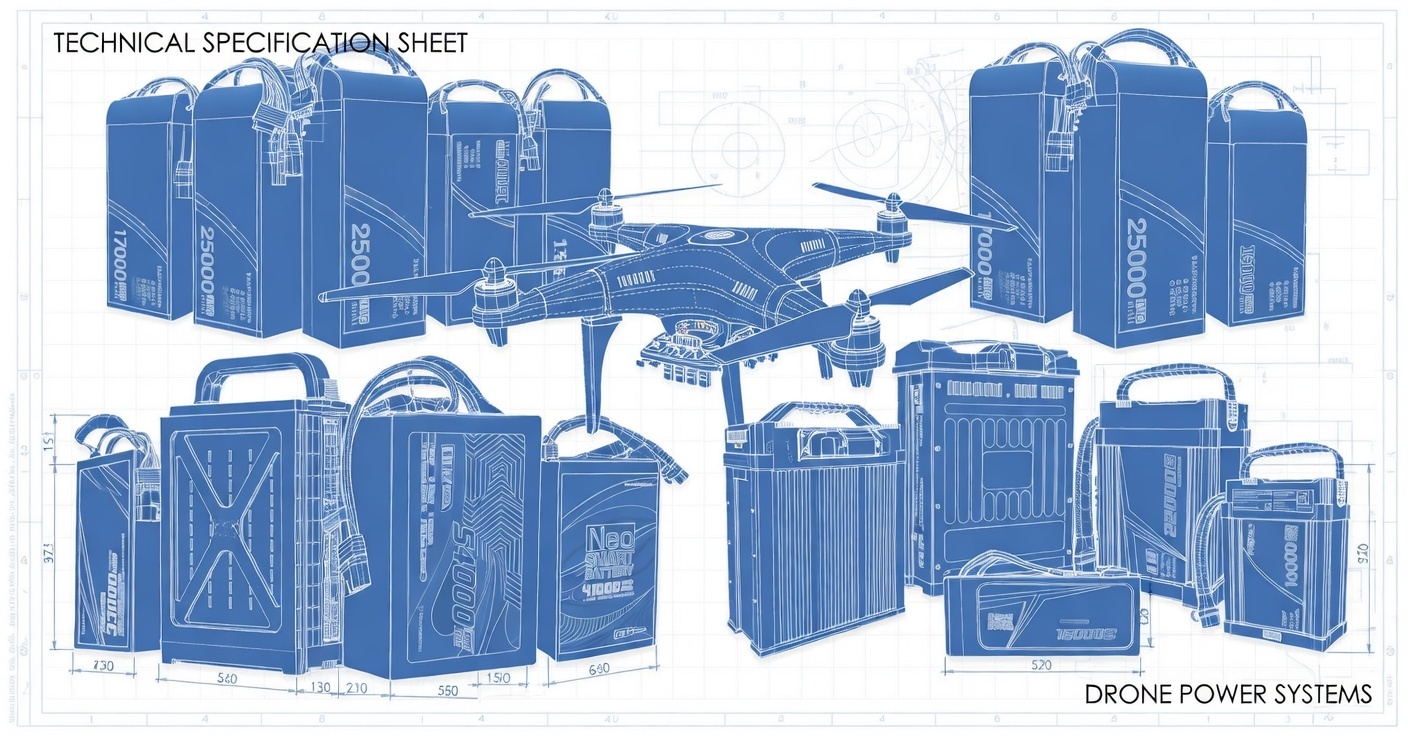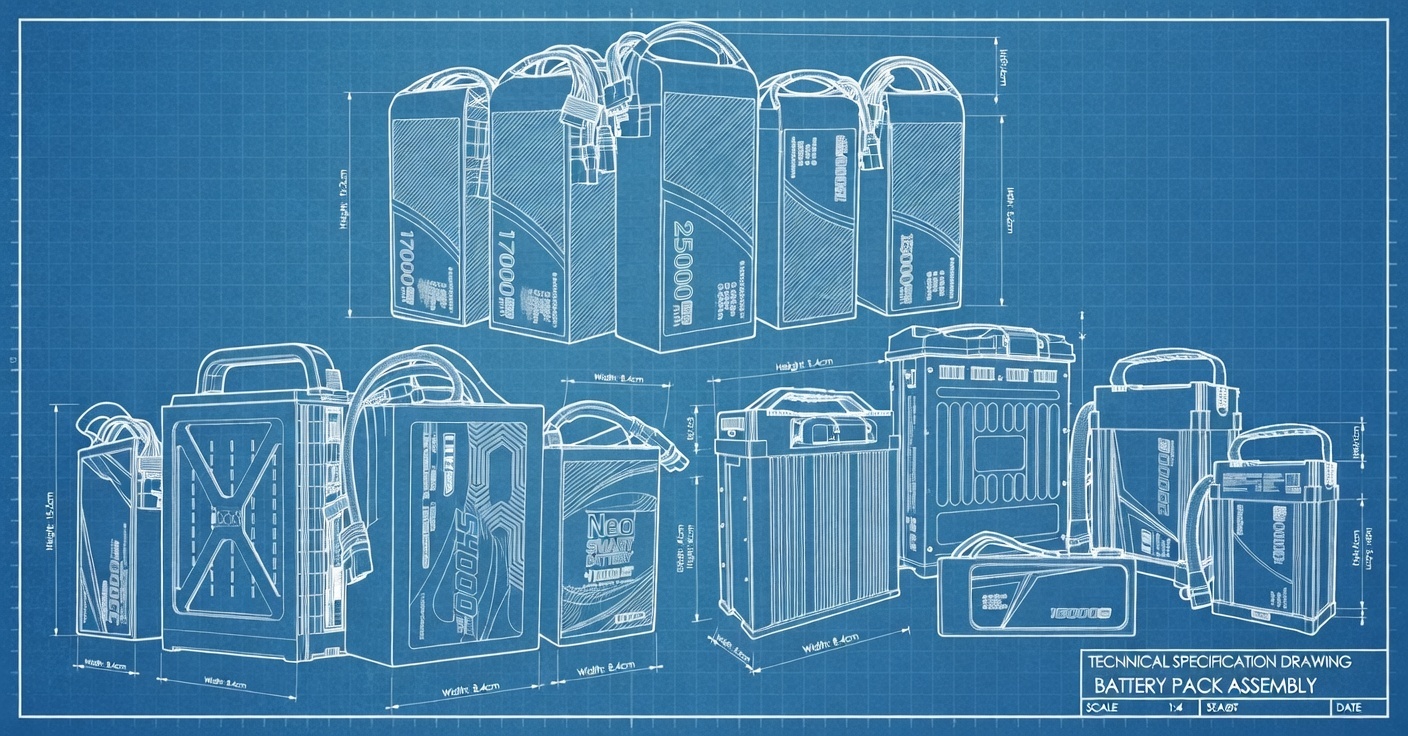
Drone Battery Safety: Essential Customization Options for Plant Protection
Are your agricultural drones experiencing unexpected battery failures during critical spraying seasons? Do you worry about thermal runaway risks when operating in high-temperature field conditions? You’re not alone. According to recent industry data, battery-related incidents account for nearly 35% of all agricultural drone downtime, costing farmers thousands in lost productivity and equipment damage. The solution lies in understanding essential battery customization options designed specifically for plant protection operations.
Understanding the Unique Challenges of Agricultural Drone Batteries
Plant protection drones operate in some of the most demanding environments imaginable. Unlike recreational or inspection drones, agricultural UAVs face constant exposure to:
- Chemical sprays and corrosive substances
- Extreme temperature fluctuations (from early morning cold to midday heat)
- High humidity and dust particles
- Continuous high-discharge cycles during spraying operations
- Frequent takeoff and landing patterns
These conditions place extraordinary stress on battery systems. Standard consumer-grade batteries simply cannot withstand the rigorous demands of commercial agricultural operations. According to ISO 6469-1/A1 standards implemented in 2025, thermal runaway risk mitigation has become a mandatory consideration for all professional drone battery systems.
Critical Safety Features for Plant Protection Battery Systems
1. Advanced Battery Management System (BMS)
A smart BMS serves as the brain of your drone battery system. Modern agricultural drone batteries require multi-layered protection including:
| Protection Feature | Function | Benefit for Plant Protection |
|---|---|---|
| Cell Balancing | Ensures equal charge across all cells | Extends battery life by 40-60% |
| Temperature Monitoring | Real-time thermal tracking | Prevents overheating during summer operations |
| Over-Current Protection | Limits discharge rates | Protects against motor surge during heavy payload |
| Short-Circuit Prevention | Instant power cutoff | Eliminates fire risk from electrical faults |
| State-of-Charge Accuracy | Precise capacity reporting | Prevents unexpected mid-flight power loss |
Research from battery safety studies shows that drones equipped with advanced BMS experience 78% fewer critical failures compared to basic battery systems.
2. Thermal Runaway Prevention Technology
The 2025 ADR regulations and IATA Dangerous Goods Regulations emphasize thermal management as a critical safety requirement. For plant protection drones, this means:
- Semi-solid state cell technology: Next-generation cells offer higher energy density with reduced thermal risk
- Independent gas venting systems: Channel hazardous gases away from critical components
- Thermal insulation barriers: Prevent heat propagation between cells
- Active cooling integration: Optional cooling systems for extreme climate operations
3. Customizable Capacity and Voltage Configurations
Different agricultural operations require different power profiles. Customization options should include:
Capacity Options:
- 10,000-15,000 mAh for light-duty spraying (small farms, orchards)
- 20,000-30,000 mAh for medium operations (standard field coverage)
- 35,000+ mAh for heavy-duty applications (large-scale farming, extended missions)
Voltage Configurations:
- 6S (22.2V) for entry-level plant protection drones
- 12S (44.4V) for professional-grade systems
- 14S-16S (51.8V-59.2V) for heavy-lift agricultural UAVs
Matching your battery specifications to your drone’s power requirements ensures optimal performance and safety margins.
Environmental Protection Considerations
Plant protection drones operate in chemically active environments. Battery customization must address:
Chemical Resistance
Battery enclosures should feature:
- IP67 or higher ingress protection ratings
- Corrosion-resistant coating on all external contacts
- Sealed connector systems preventing spray penetration
- Anti-corrosion terminal materials (gold-plated or nickel-coated)
Temperature Adaptation
Agricultural operations span various climate zones. Custom battery systems should support:
- Operating temperature range: -20°C to 60°C
- Storage temperature range: -30°C to 70°C
- Built-in heating elements for cold weather operations
- Thermal management for hot climate performance
Maintenance Best Practices for Extended Battery Life
Proper maintenance dramatically extends battery lifespan and maintains safety standards. Follow these evidence-based recommendations:
Daily Operations
- Pre-flight inspection: Check for physical damage, swelling, or connector corrosion
- Temperature acclimatization: Allow batteries to reach ambient temperature before charging
- Charge level management: Store batteries at 40-60% capacity when not in use
- Cycle tracking: Monitor charge cycles and plan replacement at 80% capacity retention
Seasonal Maintenance
- Deep cleaning after each spraying season to remove chemical residue
- Firmware updates for BMS optimization
- Professional capacity testing before peak season
- Contact inspection and cleaning
According to battery lifecycle research, following proper maintenance protocols can extend agricultural drone battery service life from 300 cycles to 500+ cycles, representing a 67% improvement in total cost of ownership.
Regulatory Compliance and Certification
Operating commercial plant protection drones requires adherence to multiple safety standards:
- UN 38.3: Transportation safety testing for lithium batteries
- IEC 62133: Safety requirements for portable sealed secondary cells
- ISO 6469-1/A1: Thermal runaway risk assessment (2025 mandatory for commercial operations)
- Local aviation authority requirements: CAAC, FAA, or EASA regulations
Ensure your battery supplier provides complete certification documentation. This protects your operation from liability and ensures insurance coverage validity.
Cost-Benefit Analysis of Custom Battery Solutions
While customized battery systems carry higher upfront costs, the long-term benefits significantly outweigh initial investment:
| Factor | Standard Battery | Custom Agricultural Battery |
|---|---|---|
| Initial Cost | $200-400 | $500-900 |
| Expected Lifespan | 300 cycles | 500+ cycles |
| Downtime Risk | High (35% failure rate) | Low (8% failure rate) |
| Safety Incidents | 12% per season | 2% per season |
| Total 3-Year Cost | $2,400 (including replacements) | $1,200 (single investment) |
The data clearly shows that investing in purpose-built agricultural drone batteries reduces total cost of ownership by approximately 50% over three years.
Making the Right Choice for Your Operation
Selecting the optimal battery customization requires evaluating your specific operational needs:
- Assess your flight patterns: Calculate average mission duration and daily cycle requirements
- Evaluate environmental conditions: Consider temperature extremes and chemical exposure levels
- Review drone specifications: Match voltage and discharge rates to motor requirements
- Plan for scalability: Choose systems that allow future capacity upgrades
- Verify supplier support: Ensure access to technical support and warranty services
Conclusion: Safety First, Performance Always
Agricultural drone operations demand battery systems that prioritize safety without compromising performance. The essential customization options discussed—advanced BMS, thermal runaway prevention, environmental protection, and proper maintenance protocols—form the foundation of reliable plant protection operations.
As the industry evolves with 2025-2026 regulatory changes, investing in certified, customized battery solutions becomes not just a best practice but a business necessity. The data supports what experienced operators already know: quality battery systems pay for themselves through reduced downtime, extended equipment life, and peace of mind during critical spraying seasons.
Ready to optimize your agricultural drone battery system?
Contact our battery specialists for personalized customization consultations tailored to your plant protection operations.
Explore More Resources:
- Visit our homepage for complete product offerings
- Learn about our industrial drone battery specifications
- Discover battery maintenance best practices
Your operation’s safety and efficiency start with the right power solution. Make the informed choice today.