Drone Battery Safety: Essential Customization Options for Plant Protection
Understanding the Critical Risks in Agricultural Drone Operations
Agricultural drones have revolutionized plant protection, enabling precise pesticide application, crop monitoring, and large-scale farm management. However, beneath this technological advancement lies a critical safety concern that demands immediate attention: drone battery safety. Thermal runaway incidents, unexpected power failures, and battery degradation can lead to catastrophic consequences including crop damage, equipment loss, and even personnel injury. According to industry reports from 2025, approximately 23% of agricultural drone accidents were directly attributed to battery-related failures, with thermal events accounting for the most severe incidents.
The unique operating conditions of plant protection drones create additional stress on battery systems. Continuous exposure to chemical sprays, temperature fluctuations, vibration during flight, and frequent charge-discharge cycles accelerate battery wear. Without proper customization and safety protocols, these factors compound to create significant operational risks that threaten both investment protection and worker safety.
Key Risk Factors: A Comprehensive Analysis
Primary Risk Causes
- Thermal Management Failures: Inadequate heat dissipation during high-load operations causes cell temperature escalation beyond safe thresholds (typically above 60°C)
- Chemical Exposure Damage: Pesticide and fertilizer residues corrode battery housing and connection points, compromising electrical integrity
- Over-Discharge Scenarios: Unexpected power depletion during critical spraying operations forces emergency landings in hazardous terrain
- Charging Protocol Violations: Improper charging practices including rapid charging without temperature monitoring accelerate cell degradation
- Mechanical Stress Fractures: Vibration from flight operations creates micro-cracks in battery cells and connection interfaces
- Environmental Extremes: Operating in temperatures below -10°C or above 45°C significantly reduces battery performance and safety margins
Essential Prevention Measures
- Implement Active Thermal Management Systems: Integrate liquid cooling or advanced air circulation designs that maintain optimal operating temperatures between 15°C-35°C
- Apply Protective Coatings: Use IP67-rated enclosures with chemical-resistant materials to shield battery compartments from agricultural chemicals
- Deploy Smart BMS Technology: Install Battery Management Systems with real-time monitoring of voltage, current, temperature, and state-of-charge with automatic shutdown protocols
- Establish Charging Standards: Follow manufacturer-specified charging rates (typically 0.5C-1C) with mandatory cooling periods between charge cycles
- Conduct Regular Inspections: Implement weekly visual inspections and monthly comprehensive testing including internal resistance measurements
- Create Environmental Operating Guidelines: Define clear temperature and weather condition parameters for safe drone operations
Engineering Solutions for Enhanced Battery Safety
Professional agricultural drone operators require customized battery solutions that address the specific challenges of plant protection work. Engineering best practices demonstrate that purpose-built battery systems significantly outperform generic alternatives in both safety and longevity metrics.
Cell Chemistry Selection: Lithium Iron Phosphate (LiFePO4) technology offers superior thermal stability compared to traditional Lithium Polymer configurations. With thermal runaway thresholds exceeding 270°C versus 150°C for standard LiPo cells, LiFePO4 provides enhanced safety margins for agricultural applications where battery access during operation is limited.
Modular Design Architecture: Implementing swappable battery modules enables operators to maintain continuous operations while ensuring each battery receives proper maintenance and cooling time. This approach reduces stress on individual battery packs and extends overall system lifespan by 40-60% according to field studies conducted in 2025.
Integrated Sensor Networks: Advanced battery systems now incorporate distributed temperature sensors, voltage monitoring at cell level, and acceleration detectors that identify abnormal flight conditions. These sensors feed data to central BMS units that can predict failures before they occur, enabling proactive maintenance scheduling.
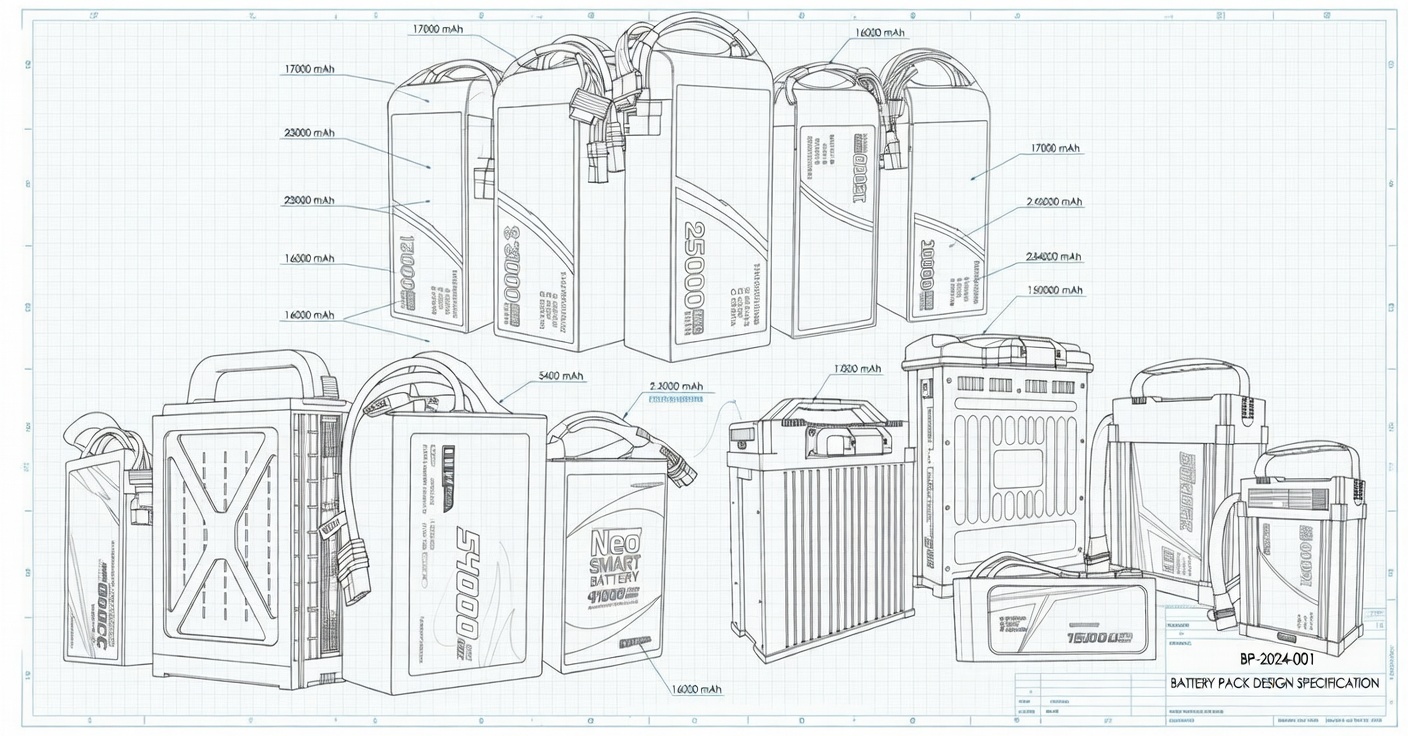
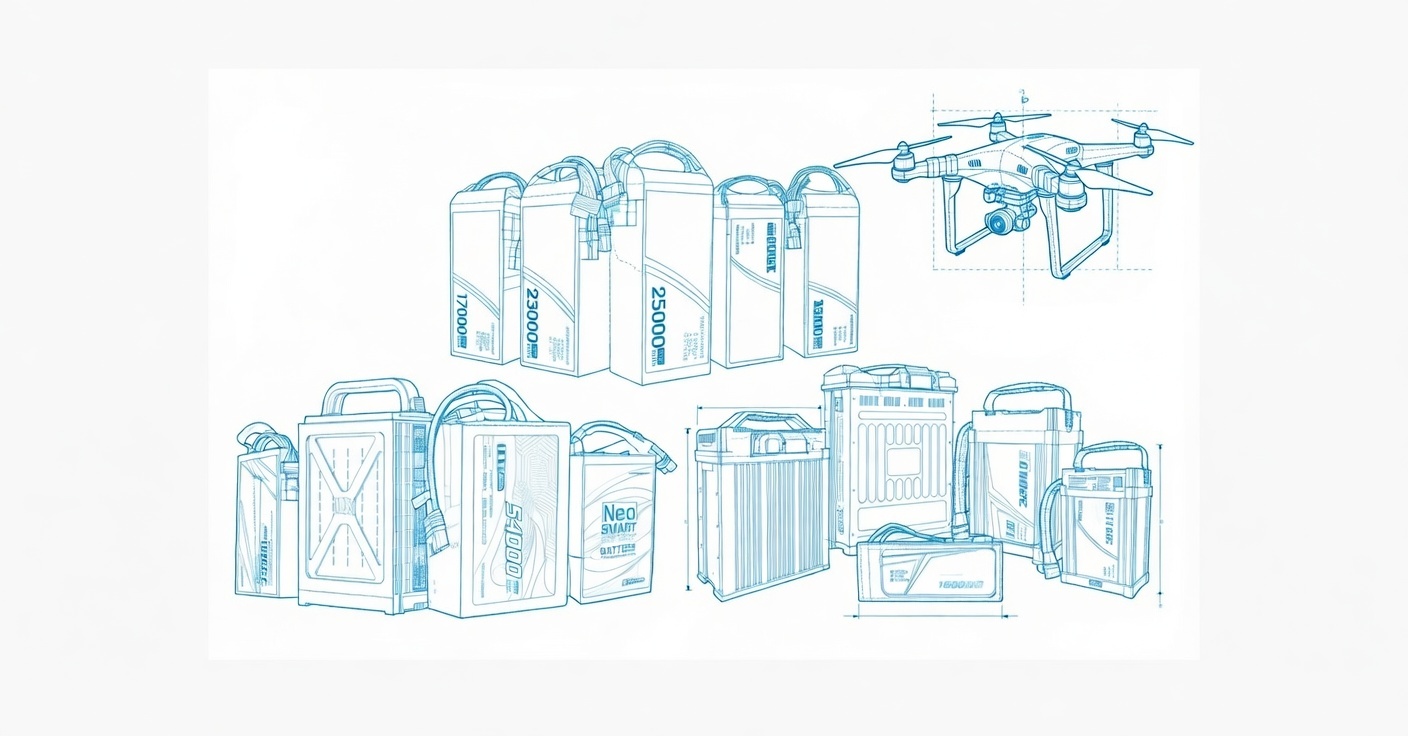
Customized Capacity Configurations: Plant protection drones require specific energy density balances. Heavy spraying operations benefit from higher capacity batteries (20,000-30,000 mAh) with reinforced structural supports, while survey missions prioritize weight reduction with optimized capacity ratings. Working with experienced manufacturers ensures proper capacity-to-weight ratios that maintain flight stability while maximizing operational time.
Implementation Framework for Safety Optimization
Successful battery safety programs require systematic implementation across multiple operational dimensions. Organizations should establish documented procedures covering battery receipt inspection, storage protocols, pre-flight checks, in-operation monitoring, post-flight maintenance, and end-of-life disposal.
Training programs must certify all personnel handling drone batteries on proper procedures including personal protective equipment requirements, emergency response protocols, and hazard recognition. Documentation should include battery history tracking with serial number logging, charge cycle counting, and performance degradation monitoring.
Regular auditing of battery safety practices ensures compliance with evolving industry standards. Third-party certification from recognized testing laboratories provides objective validation of battery system safety and helps maintain insurance coverage for commercial operations.
Making the Right Choice for Your Operations
Investing in properly customized drone battery systems represents one of the most critical decisions for agricultural aviation businesses. The initial cost premium for safety-optimized batteries pays dividends through reduced downtime, extended equipment life, and most importantly, protection of personnel and assets.
Operators should prioritize manufacturers with proven track records in agricultural applications, comprehensive warranty support, and accessible technical documentation. Customization capabilities allow battery systems to match specific drone platforms, operational requirements, and environmental conditions unique to each farming operation.
Ready to enhance your plant protection drone battery safety? Explore our industrial drone battery specifications at https://cnsbattery.com/drone-battery-home/drone-battery/ to find solutions engineered for agricultural excellence. For personalized consultation on your specific requirements, visit our contact page at https://cnsbattery.com/drone-battery-home/drone-battery-contact where our technical team stands ready to assist.
Discover comprehensive battery maintenance best practices at https://cnsbattery.com/drone-battery-home/drone-battery-help-center/ and learn how proper care extends battery life while maximizing safety. Return to our homepage at https://cnsbattery.com/drone-battery-home to explore our complete range of drone power solutions designed for the demanding world of agricultural aviation.
Your investment in quality battery systems protects not just your equipment, but your entire operation’s future. Make safety your priority today.