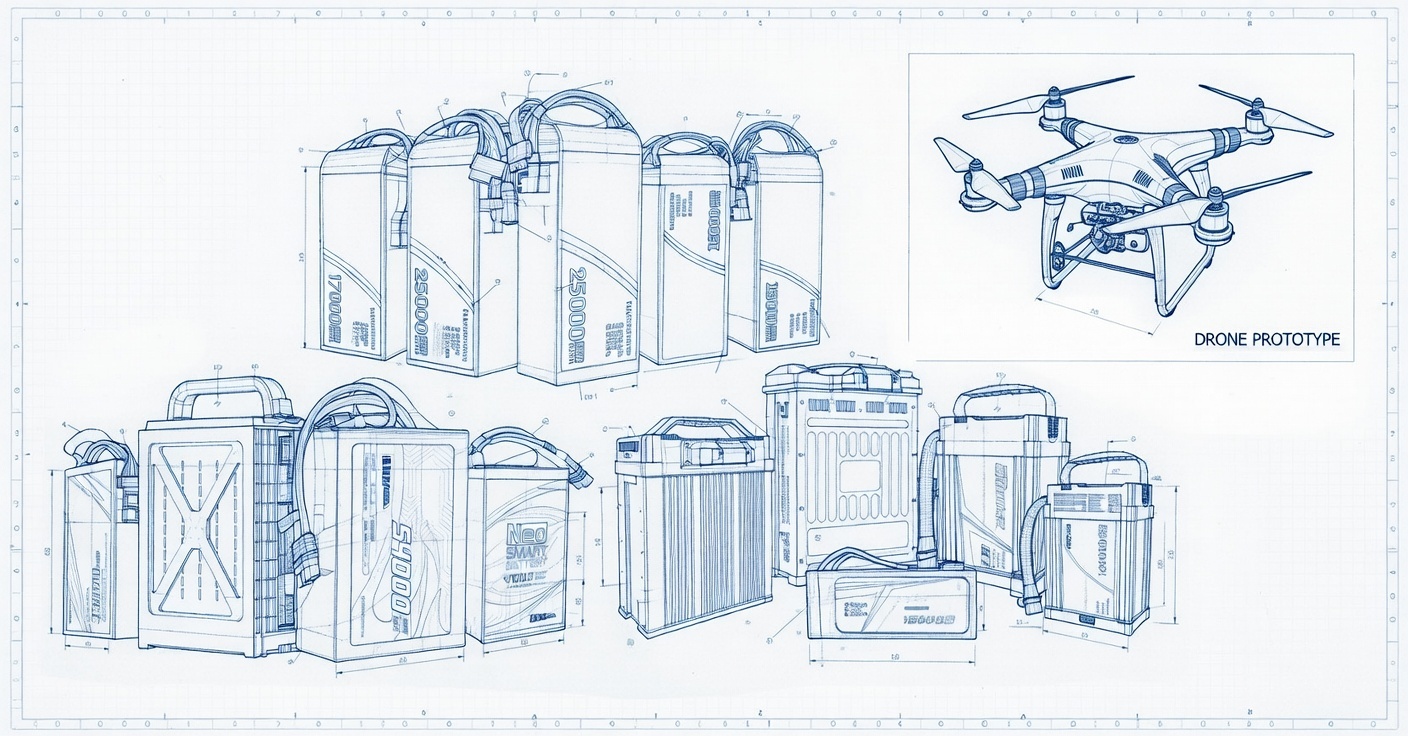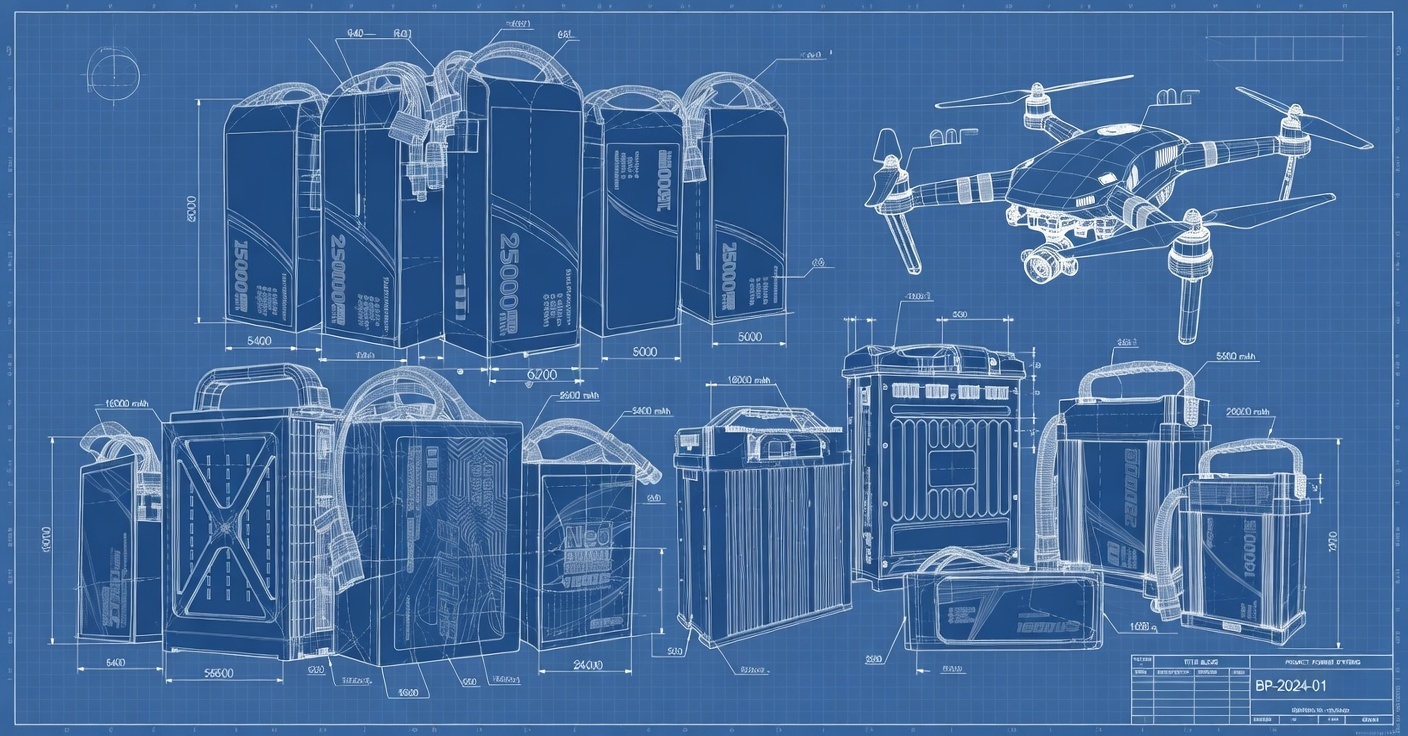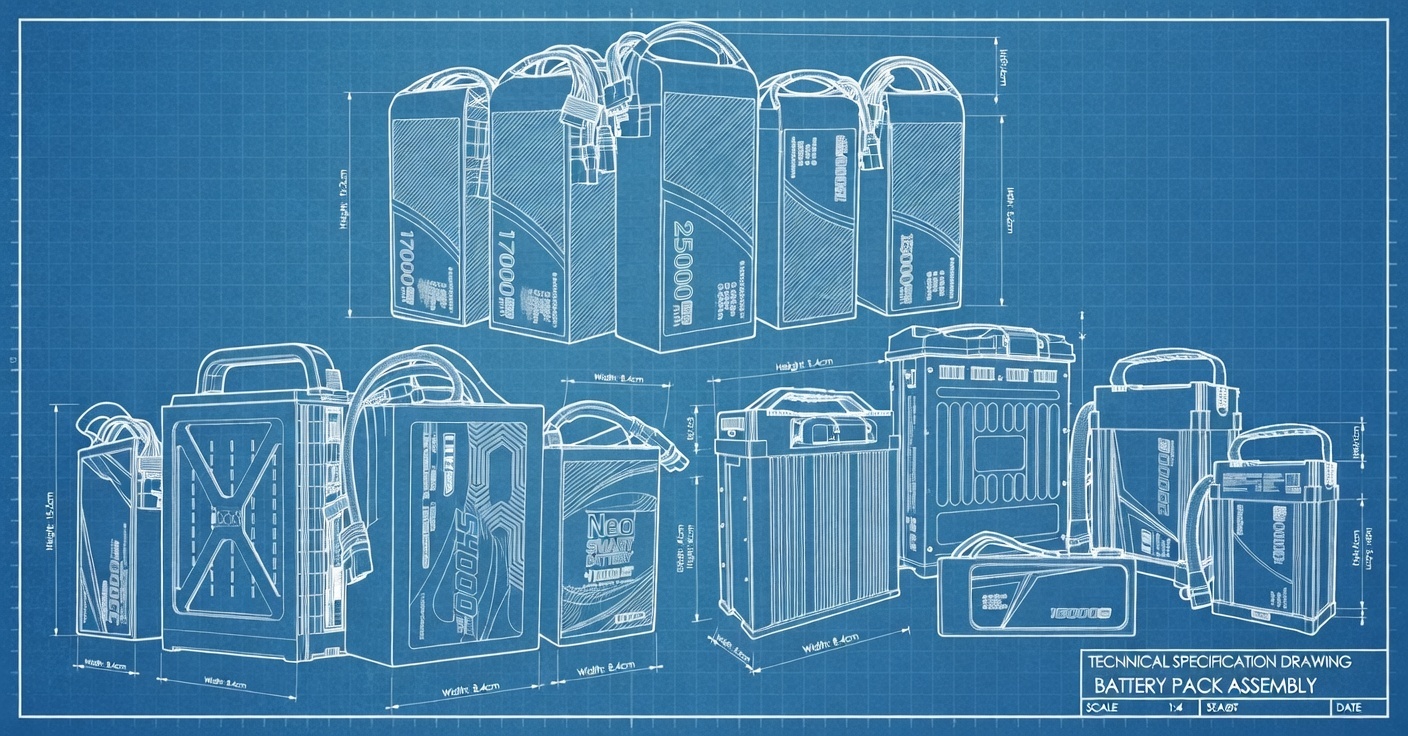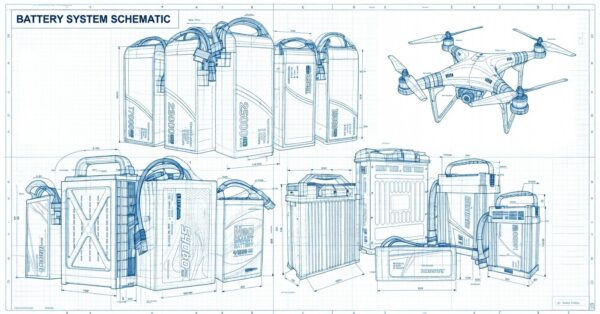
In the high-stakes world of film production and aerial photography, drone battery safety isn’t just a technical consideration—it’s a critical operational requirement. Professional crews depend on reliable power systems to capture once-in-a-lifetime shots while maintaining the highest safety standards. This comprehensive guide explores essential customization options that film and aerial photography teams need to know in 2026.
Understanding Drone Battery Fundamentals for Professional Use
Modern drones predominantly utilize Lithium Polymer (LiPo) and Lithium-ion (Li-ion) batteries, each offering distinct advantages for different production scenarios. LiPo batteries deliver high discharge rates and lightweight construction, making them ideal for dynamic aerial cinematography. Li-ion batteries provide superior cycle life and stability, perfect for extended shooting schedules.
Key Battery Parameters Every Crew Should Monitor
- Voltage Configuration: Standard configurations range from 2S (7.4V) to 6S (22.2V), with professional cinema drones typically requiring 4S or higher
- Capacity (mAh): Determines flight time; professional teams often customize capacity based on payload requirements
- Discharge Rate (C-rating): Critical for high-performance maneuvers and heavy camera payloads
- Temperature Range: Operating between 15°C to 35°C ensures optimal performance and safety
Essential Safety Protocols for Film Production Teams
According to the 2026 IATA Dangerous Goods Regulations (DGR) 67th Edition, lithium battery transportation now requires stricter state-of-charge controls. Professional film crews must adapt their battery management protocols accordingly.
Storage Best Practices
Proper battery storage extends lifespan and prevents safety incidents:
- Storage Voltage: Maintain cells at 3.7–3.85V per cell for long-term storage
- Temperature Control: Store in climate-controlled environments between 10°C to 25°C
- Fire-Resistant Containers: Use certified LiPo safety bags or fireproof storage cabinets
- Regular Inspection: Check for swelling, damage, or unusual heat before each use
Critical Warning: Never store batteries at 100% charge for extended periods. This accelerates degradation and increases thermal runaway risk.
Charging Safety Guidelines
Professional charging stations should incorporate multiple safety layers:
- Balanced Charging: Always use balance chargers to ensure equal cell voltage
- Supervised Charging: Never leave batteries charging unattended, especially overnight
- Cooling Periods: Allow batteries to cool to ambient temperature before recharging
- Designated Areas: Establish dedicated charging zones away from flammable materials
Customization Options for Production-Specific Needs
Every film production has unique power requirements. Customization ensures your battery system matches your operational demands while maintaining safety compliance.
Capacity Customization
Work with manufacturers to develop batteries with specific capacity ratings:
| Production Type | Recommended Capacity | Flight Time Estimate |
|---|---|---|
| Commercial Photography | 4000-5000mAh | 20-25 minutes |
| Cinema Production | 6000-8000mAh | 25-35 minutes |
| Survey & Mapping | 8000-10000mAh | 35-45 minutes |
| Extended Range | 10000mAh+ | 45+ minutes |
Connector and Form Factor Options
Custom connectors streamline workflow on busy sets:
- Quick-Release Systems: Enable rapid battery swaps during critical shots
- Waterproof Connectors: Essential for outdoor and marine productions
- Low-Profile Designs: Reduce drag and improve aerodynamics for cinematic movements
- Modular Systems: Allow capacity expansion for extended shoots
Smart Battery Management Integration
Modern custom batteries incorporate intelligent monitoring:
- Real-Time Cell Monitoring: Track individual cell voltage during flight
- Temperature Sensors: Provide early warnings for overheating conditions
- Cycle Counting: Monitor battery health and predict replacement needs
- GPS Integration: Log battery performance data with location information
Building E-E-A-T Compliant Battery Operations
Establishing Experience, Expertise, Authoritativeness, and Trustworthiness in your battery operations protects both your crew and your reputation.
Documentation and Training
Maintain comprehensive records demonstrating safety commitment:
- Battery Log Books: Track charge cycles, storage conditions, and performance metrics
- Safety Certifications: Ensure all crew members complete recognized battery safety training
- Incident Reports: Document any anomalies for continuous improvement
- Manufacturer Compliance: Verify all batteries meet UN38.3 and relevant aviation standards
Quality Assurance Protocols
Implement systematic quality checks:
- Pre-Flight Inspection: Visual examination for damage, swelling, or connector wear
- Performance Testing: Regular capacity testing to identify degradation
- Retirement Criteria: Establish clear thresholds for battery replacement
- Vendor Verification: Source batteries only from certified manufacturers with traceable supply chains
Frequently Asked Questions
Q: Can I use slightly swollen batteries for non-critical shots?
A: No. Swollen batteries indicate internal cell damage and pose serious safety risks. Immediately retire and properly dispose of any battery showing swelling, regardless of production urgency.
Q: How often should professional drone batteries be replaced?
A: Industry standards suggest replacement after 300-500 charge cycles or when capacity drops below 80% of original specifications. High-intensity film production may require more frequent replacement.
Q: What’s the safest way to transport drone batteries between locations?
A: Follow 2026 IATA DGR guidelines: maintain state-of-charge at 30% or below, use UN-certified packaging, label appropriately, and declare batteries as dangerous goods when shipping commercially.
Q: Can I customize batteries for specific camera payloads?
A: Yes. Reputable manufacturers offer customization for voltage, capacity, connector types, and physical dimensions to match your specific drone and camera configuration.
Q: What temperature ranges should I avoid during outdoor shoots?
A: Avoid operating below 0°C or above 40°C. Extreme cold reduces capacity and can cause permanent damage. Extreme heat increases thermal runaway risk. Plan shoots accordingly or use battery warming/cooling solutions.
Maximizing Battery Investment Through Proper Care
Professional drone batteries represent significant capital investment. Proper maintenance extends operational life and protects your bottom line:
- Rotate Battery Stock: Use all batteries evenly to prevent uneven aging
- Seasonal Calibration: Perform full charge-discharge cycles quarterly to maintain accuracy
- Firmware Updates: Keep battery management systems updated for optimal performance
- Insurance Coverage: Ensure your production insurance covers battery-related incidents
Taking Action: Your Next Steps Toward Safer Operations
Implementing comprehensive drone battery safety requires commitment, expertise, and the right partnerships. Whether you’re managing a single drone or coordinating multiple aircraft for large-scale productions, customization options exist to match your specific requirements.
Ready to elevate your drone battery safety standards? Our team specializes in custom battery solutions designed specifically for film and aerial photography professionals. We understand the unique demands of production environments and deliver batteries that balance performance, safety, and reliability.
Contact us today to discuss your customization needs and discover how tailored battery solutions can enhance your production capabilities while maintaining the highest safety standards.
📧 Get in Touch: Visit our contact page at https://cnsbattery.com/drone-battery-home/drone-battery-contact to speak with our battery specialists and request a customized quote for your production team.
This guide reflects current industry standards and regulations as of 2026. Always verify compliance with local aviation authorities and stay updated on evolving safety requirements. Professional training and certification remain essential for all drone battery operations.