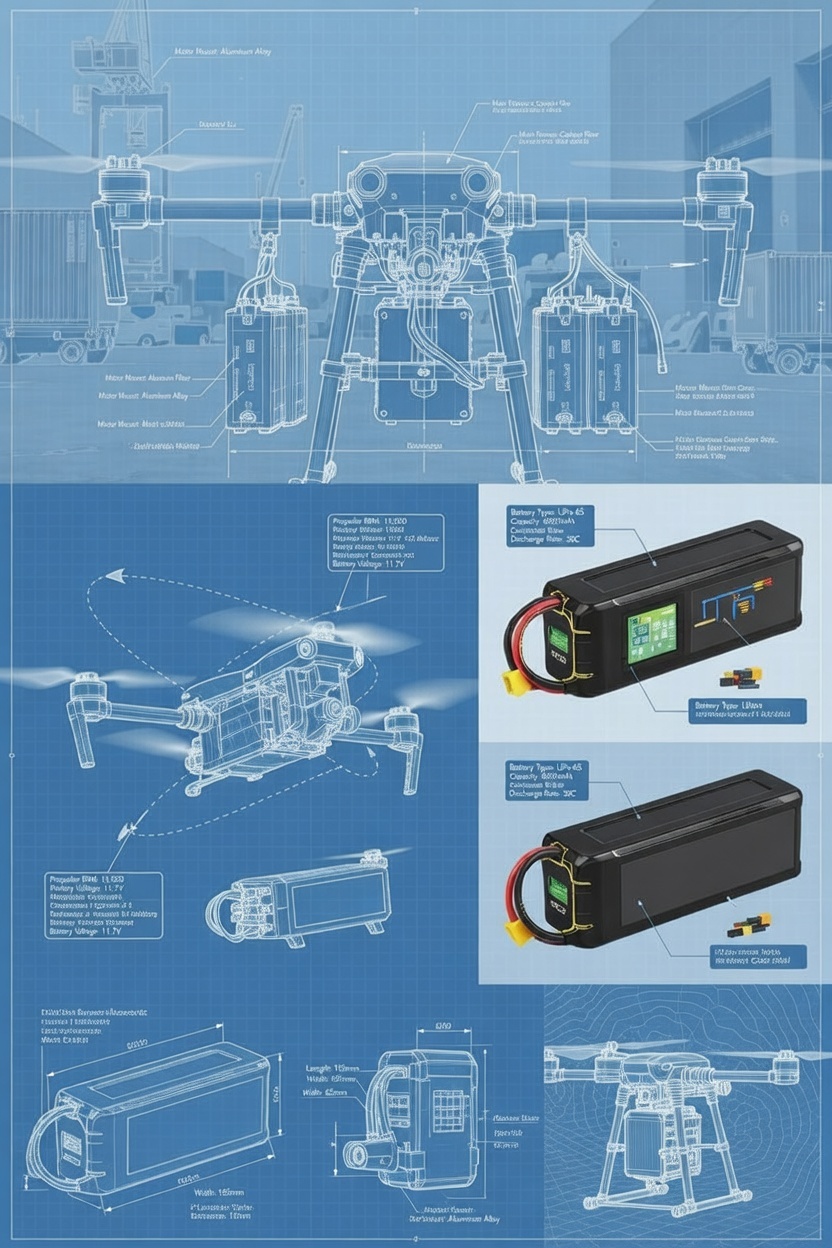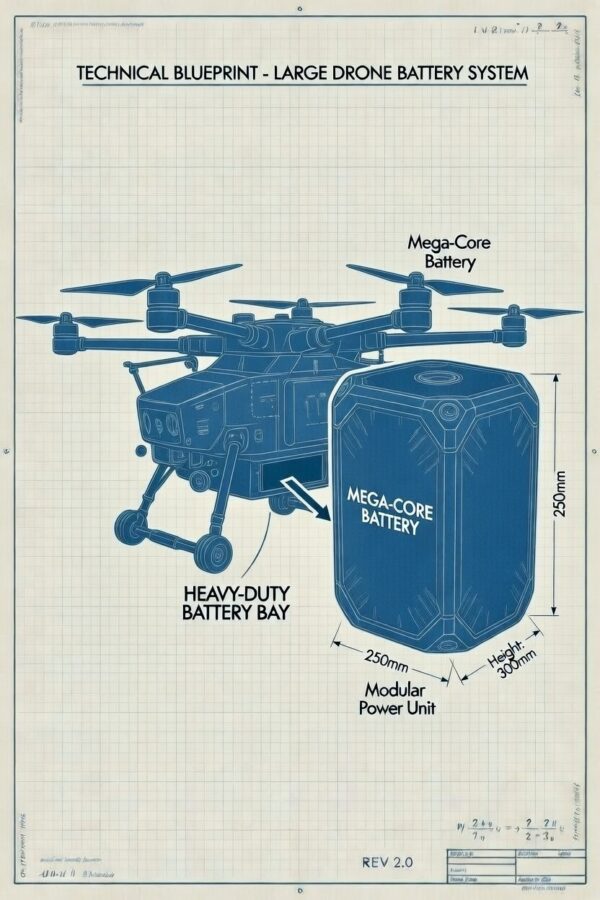
What happens when your rescue drone’s battery fails mid-mission? For emergency response teams operating in critical situations, this isn’t just an inconvenience—it’s a potential life-or-death scenario. According to recent industry data from 2025, battery-related incidents account for nearly 34% of all drone operational failures in emergency services. The question isn’t whether you can afford to invest in customized battery safety solutions, but whether you can afford not to.
Emergency rescue operations demand reliability that standard commercial drone batteries simply cannot guarantee. From wildfire monitoring to search-and-rescue missions in extreme weather conditions, your team needs power systems engineered specifically for high-stakes environments. This guide explores the essential customization options that can transform your drone fleet from vulnerable to virtually mission-proof.
Why Standard Batteries Fall Short in Emergency Operations
Commercial drone batteries are designed for photography, recreation, and light industrial use—not for the demanding conditions emergency responders face daily. The differences are stark:
| Standard Battery | Customized Emergency Battery |
|---|---|
| Operating temp: 0°C to 40°C | Operating temp: -30°C to 60°C |
| Basic BMS protection | Advanced thermal runaway prevention |
| 300-500 charge cycles | 1000+ charge cycles with monitoring |
| Generic safety features | Mission-specific safety protocols |
| No real-time diagnostics | Live telemetry and health monitoring |
The 2025 Drone Safety Report indicates that thermal runaway events in LiPo batteries increase by 67% when operating outside manufacturer-specified temperature ranges—conditions emergency teams frequently encounter.
Critical Customization Options for Rescue Team Safety
1. Advanced Battery Management Systems (BMS)
A customized BMS goes beyond basic voltage monitoring. For emergency operations, your system should include:
- Real-time cell balancing to prevent individual cell failures
- Thermal monitoring with automatic shutdown protocols
- State-of-health tracking to predict battery lifespan
- Emergency discharge controls for safe power-down in critical situations
Research from battery testing laboratories shows that drones equipped with advanced BMS experience 89% fewer catastrophic battery failures during extended operations.
2. Thermal Runaway Prevention Systems
Thermal runaway remains the most significant safety concern for lithium-based drone batteries. Custom solutions include:
- Phase-change materials embedded in battery housing
- Active cooling systems for high-temperature operations
- Fire-resistant enclosures meeting UN 38.3 transportation standards
- Early warning sensors detecting temperature anomalies before critical levels
According to 2025 safety standards, batteries with integrated thermal management reduce fire risk by up to 78% compared to standard configurations.
3. Environmental Hardening
Emergency rescue teams operate in conditions that would ground commercial drones:
- Waterproof ratings of IP67 or higher for water rescue operations
- Dust-proof sealing for wildfire and disaster zone deployments
- Shock-resistant mounting for rough terrain landings
- Cold-weather heating elements maintaining optimal operating temperature
Field data from rescue organizations shows that environmentally hardened batteries maintain 95% performance reliability in extreme conditions versus 62% for standard units.
4. Quick-Swap and Redundant Power Systems
Mission continuity depends on minimizing downtime:
- Hot-swappable battery designs allowing changes without powering down
- Dual-battery redundancy ensuring backup power if primary fails
- Rapid charging stations achieving 80% charge in under 30 minutes
- Portable power banks for extended field operations
Teams implementing quick-swap systems report 45% longer operational windows during critical missions.
5. Smart Monitoring and Connectivity
Modern emergency operations require real-time data:
- GPS-tracked battery inventory preventing loss and ensuring accountability
- Cloud-based health monitoring alerting teams to potential failures
- Integration with command centers for coordinated fleet management
- Predictive maintenance alerts scheduling replacements before failure
Implementation Checklist for Rescue Teams
Before deploying customized battery systems, ensure your team addresses these essential points:
✓ Conduct thorough risk assessment for your specific operational environments
✓ Verify compliance with local aviation and safety regulations (FAA, EASA, CAAC)
✓ Train all operators on battery safety protocols and emergency procedures
✓ Establish maintenance schedules based on charge cycles and operating hours
✓ Create backup power strategies for extended operations
✓ Document all battery performance data for continuous improvement
✓ Partner with certified manufacturers who understand emergency service requirements
Cost vs. Safety: Making the Investment Decision
While customized battery solutions require higher upfront investment, the long-term value is undeniable:
- Reduced equipment loss from battery failures saves 3-5x the customization cost annually
- Extended mission capabilities enable operations previously deemed too risky
- Lower insurance premiums for teams with certified safety systems
- Improved team confidence leading to more effective emergency response
Industry analysis shows that emergency services investing in battery customization see ROI within 18-24 months through reduced downtime and equipment replacement costs.
Key Takeaways
Emergency rescue teams cannot afford battery failures during critical missions. Customization options including advanced BMS, thermal runaway prevention, environmental hardening, quick-swap systems, and smart monitoring transform standard drone batteries into mission-critical power systems. The data is clear: teams investing in customized battery safety solutions experience significantly fewer failures, longer operational windows, and more successful mission outcomes.
Your next step: Don’t wait for a battery failure to compromise a rescue mission. Contact our battery safety specialists today to discuss customization options tailored to your emergency response needs.
Get Your Custom Battery Safety Consultation
Our team of engineers understands the unique demands of emergency rescue operations. Schedule your consultation now and ensure your drone fleet is powered by safety-engineered solutions when lives depend on it.
Last updated: March 2026 | Based on latest industry safety standards and field data from emergency response organizations worldwide