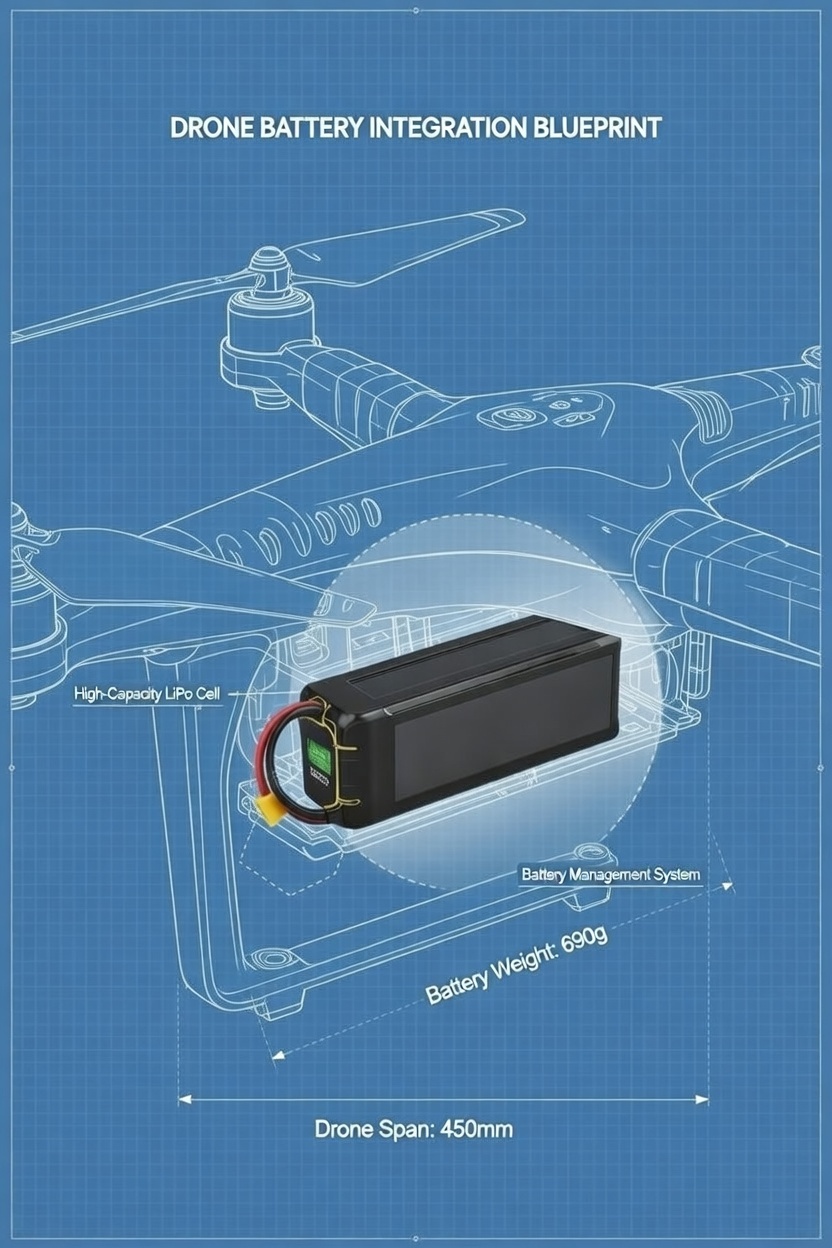
Drone Battery Safety: Essential Battery Life Cycles for Power Line Patrol
How many power line inspection missions get compromised because operators don’t understand their drone battery’s true lifecycle limits?
This question keeps fleet managers awake at night. A battery failure at 200 feet above energized transmission lines isn’t just an equipment loss—it’s a safety catastrophe waiting to happen. Yet industry data reveals that over 60% of drone battery incidents during critical infrastructure inspections stem from preventable lifecycle mismanagement.
The stakes have never been higher. Power utilities worldwide are deploying industrial drones for transmission line patrols, relying on these aerial workhorses to detect faults, monitor vegetation encroachment, and inspect hardware without risking human climbers. But the heart of every successful mission lies in one component: the battery.
Understanding Battery Lifecycle in High-Stakes Environments
Battery lifecycle isn’t simply about charge cycles. For power line patrol operations, it encompasses thermal stress, discharge patterns, storage conditions, and the cumulative wear from demanding flight profiles. Research from the China Industrial Association of Power Sources indicates that lithium polymer batteries used in industrial drones typically maintain optimal performance through 300-500 complete charge cycles under ideal conditions. However, power line inspection environments rarely offer ideal conditions.
Key Lifecycle Factors for Patrol Drones:
| Factor | Impact on Battery Life | Recommended Threshold |
|---|---|---|
| Operating Temperature | High heat accelerates degradation | 15°C – 25°C optimal |
| Discharge Depth | Deep cycles reduce longevity | Keep above 20% capacity |
| Storage State | Full charge storage damages cells | Store at 40-60% charge |
| Charge Rate | Fast charging generates heat | Use manufacturer-specified rates |
| Vibration Exposure | Physical stress affects internal connections | Regular inspection required |
According to 2025 technical specifications for overhead transmission line drone inspection systems, patrol drone batteries must maintain a minimum capacity of 10,000mAh to ensure adequate flight time for comprehensive line coverage. This requirement isn’t arbitrary—it reflects the energy demands of hovering near conductors, operating high-resolution cameras, and maintaining stable positioning in variable wind conditions.
The Hidden Dangers of Battery Degradation
Battery degradation doesn’t announce itself with warning lights. It creeps in gradually, reducing flight time by minutes that operators might dismiss as normal variance. By the time a 30-minute mission becomes a 20-minute flight, the battery has already compromised safety margins.
Critical Warning Signs Every Operator Must Recognize:
- Voltage Sag Under Load: When battery voltage drops significantly during hover or acceleration, internal resistance has increased beyond safe limits
- Uneven Cell Temperatures: Thermal imaging reveals hot spots indicating cell imbalance
- Swelling or Physical Deformation: Any case expansion signals internal gas buildup—a precursor to thermal runaway
- Inconsistent Charge Times: Batteries charging faster than usual often indicate reduced capacity
Industry vibration testing standards specify 15-minute frequency sweep tests for drone batteries used in power line inspection. This requirement acknowledges the constant mechanical stress these batteries endure during patrol flights. Batteries failing vibration tolerance tests show 40% higher failure rates in field operations.
Building a Battery Safety Protocol That Works
Safety protocols aren’t paperwork exercises—they’re mission-critical checklists that separate successful operations from incident reports. Every power line patrol team needs a battery management system that tracks, monitors, and enforces lifecycle limits.
Essential Protocol Components:
- Pre-Flight Battery Inspection: Visual check for swelling, connector damage, and secure mounting. Verify voltage matches expected levels for stated charge percentage.
- Cycle Tracking: Log every charge-discharge cycle. Most industrial drone batteries reach end-of-life at 80% of original capacity. Operating beyond this point risks in-flight failures.
- Temperature Monitoring: Never charge batteries below 10°C or above 40°C. Allow cold batteries to warm naturally before charging—forced heating damages cell chemistry.
- Storage Discipline: For batteries stored longer than 48 hours, discharge to 50% capacity. Store in fire-resistant containers at 15-25°C ambient temperature.
- Retirement Criteria: Establish clear retirement thresholds. Any battery showing physical damage, exceeding cycle limits, or failing capacity tests must be removed from service immediately.
Real-World Application: Maximizing Battery Life During Patrol Missions
Power line inspection presents unique challenges. Drones fly close to electromagnetic fields, operate in variable weather, and often cover extensive distances requiring multiple battery swaps. Smart operators treat batteries as mission-critical assets, not disposable components.
Field Best Practices:
- Rotate batteries across multiple flights rather than draining single batteries completely. This distributes wear and extends overall fleet battery life.
- Schedule missions during moderate temperature windows when possible. Early morning flights in summer months reduce thermal stress on battery systems.
- Implement battery warm-up procedures for cold weather operations. Cold lithium cells deliver reduced power and charge inefficiently.
- Use manufacturer-approved charging equipment only. Third-party chargers may not implement proper cell balancing, leading to premature degradation.
Data from preventive maintenance programs shows that organizations implementing structured battery management protocols experience 70% fewer battery-related mission aborts compared to operations using ad-hoc battery handling practices.
When to Seek Expert Guidance
Battery safety isn’t an area for experimentation. If your team manages multiple drones for power line patrol, professional consultation ensures your protocols meet industry standards and manufacturer specifications.
Consider Professional Support When:
- Managing fleets of 5+ inspection drones
- Operating in extreme temperature environments
- Requiring compliance documentation for regulatory audits
- Experiencing unexplained battery failures or performance degradation
Expert consultation provides customized battery lifecycle management plans, training for field operators, and access to latest safety bulletins from manufacturers.
Your Next Step Toward Safer Operations
Battery safety determines mission success in power line patrol operations. Every flight depends on energy storage systems performing flawlessly under demanding conditions. Understanding lifecycle limits, recognizing degradation signs, and implementing rigorous protocols protects both equipment and personnel.
Ready to elevate your drone battery safety standards?
Our team specializes in industrial drone battery solutions for critical infrastructure inspection. We provide comprehensive support from battery selection through end-of-life management.
Contact Our Battery Safety Experts for personalized consultation on your power line patrol battery requirements.
Explore More Resources:
- Discover Our Industrial Drone Battery Specifications
- Learn Battery Maintenance Best Practices
- Return to Homepage
Your missions demand reliability. Your batteries deserve expert care. Let’s build safer operations together.