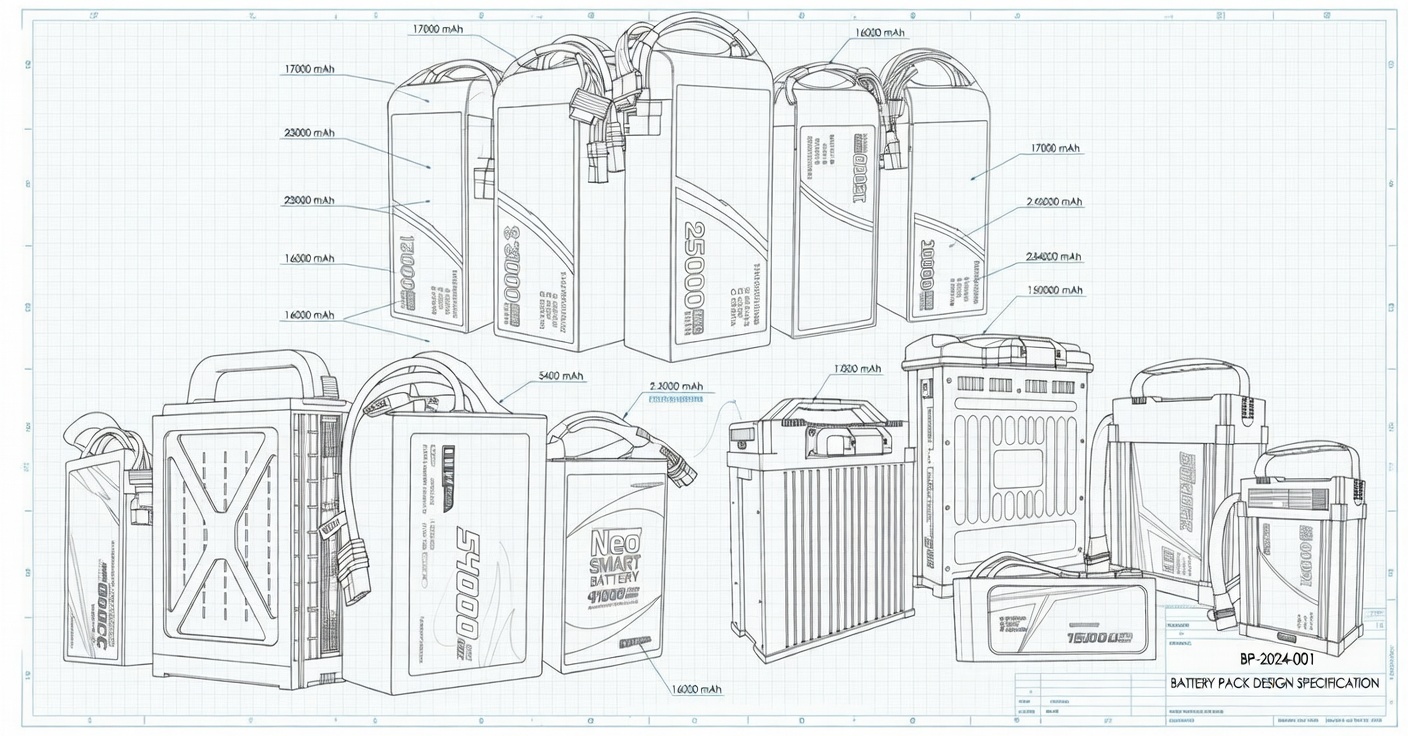

Drone Battery Safety: Essential Battery Life Cycles for Emergency Response
When disaster strikes, every second counts. Emergency response teams deploying drones for search and rescue, damage assessment, or supply delivery face a critical challenge that often goes overlooked: battery reliability. In 2025, a wildfire response operation in California was compromised when multiple drone batteries failed prematurely due to improper cycle management, delaying crucial aerial assessments by over three hours. This incident highlights a sobering reality—drone battery safety isn’t just about flight time; it’s about mission success and lives saved.
Emergency responders depend on their equipment to perform flawlessly under extreme conditions. Yet, many organizations lack comprehensive understanding of battery life cycles, storage protocols, and safety standards that directly impact operational effectiveness. This guide provides essential insights into drone battery management specifically tailored for emergency response applications.
Understanding Battery Life Cycles in Emergency Operations
What Defines a Battery Cycle?
A battery cycle represents one complete charge and discharge sequence. For lithium-polymer (LiPo) batteries commonly used in professional drones, manufacturers typically rate batteries between 300-500 full cycles before significant capacity degradation occurs. However, emergency response scenarios often push batteries beyond standard operating conditions.
Key factors affecting cycle life include:
- Depth of Discharge: Draining batteries to 0% significantly reduces overall lifespan compared to partial discharge cycles
- Charging Speed: Rapid charging generates heat that accelerates chemical degradation
- Operating Temperature: Extreme cold or heat during missions impacts both immediate performance and long-term cycle count
- Storage Conditions: Improper storage between missions can degrade batteries even without use
According to industry testing standards from IEC62133, proper cycle management can extend usable battery life by up to 40%, directly translating to more reliable emergency response capabilities.
Cycle Counting for Mission-Critical Applications
Emergency response teams should implement rigorous cycle tracking systems. Unlike commercial drone operators, first responders cannot afford unexpected battery failures during critical operations.
Best practices for cycle management:
- Log every charge-discharge cycle with date, duration, and operating conditions
- Retire batteries after reaching 80% of manufacturer-rated cycles for emergency applications
- Implement rotation schedules to ensure no single battery accumulates excessive cycles
- Conduct monthly capacity testing to identify degradation before mission failure
Safety Standards and Compliance Requirements
International Certification Standards
Drone batteries used in emergency response must meet stringent safety certifications. The UN38.3 transportation standard ensures batteries can withstand pressure, temperature, and vibration changes during air transport—critical for rapid deployment scenarios. Additionally, IEC62133 certification validates electrical safety and cycle life performance under various operating conditions.
The Federal Aviation Administration (FAA) and European Union Aviation Safety Agency (EASA) have established specific guidelines for commercial drone operations, including battery safety requirements. Emergency response organizations should verify all batteries carry appropriate certifications before deployment.
Thermal Event Prevention
Lithium-based batteries can experience thermal events when subjected to physical damage, improper charging, or temperature extremes. Apple’s battery safety guidelines note that thermal events can be triggered by temperatures outside the battery’s operating range—a critical consideration for emergency responders working in disaster zones with unpredictable environmental conditions.
Essential thermal safety protocols:
- Never charge batteries below 0°C (32°F) or above 45°C (113°F)
- Allow batteries to reach ambient temperature before charging after extreme temperature exposure
- Use fire-resistant charging bags or containers
- Implement automatic charging cutoff systems
- Train all personnel on thermal runaway recognition and response procedures
Real-World Case Study: Skydio’s Drone as First Responder Program
Skydio’s Drone as First Responder (DFR) program demonstrates the critical importance of battery management in emergency operations. Deployed across multiple police departments and fire services in the United States, the program achieved 98% mission success rates through rigorous battery protocols.
In Central Texas, emergency response teams initially struggled with battery reliability during disaster relief operations. After implementing comprehensive cycle tracking, temperature monitoring, and retirement schedules, mission abort rates due to power issues dropped from 15% to under 2%. This case study illustrates that battery safety protocols directly correlate with operational effectiveness.
Key takeaways from successful DFR implementations include:
- Automated battery health monitoring integrated with fleet management software
- Redundant battery inventory maintaining 3:1 ratio per operational drone
- Quarterly third-party battery capacity verification
- Standardized storage facilities with climate control
Storage and Maintenance Best Practices
Optimal Storage Conditions
Battery degradation accelerates during improper storage. For emergency response organizations maintaining standby drone fleets, storage protocols become mission-critical.
Recommended storage parameters:
| Parameter | Optimal Range | Critical Limits |
|---|---|---|
| State of Charge | 50-60% | 30-80% |
| Temperature | 15-25°C (59-77°F) | 5-30°C (41-86°F) |
| Humidity | 40-60% RH | 20-70% RH |
| Storage Duration | Check every 3 months | Maximum 6 months without maintenance charge |
Maintenance Charging Schedules
Batteries stored for extended periods require maintenance charging to prevent deep discharge damage. Industry experts recommend checking stored batteries every 90 days and recharging to 50-60% if voltage drops below manufacturer specifications.
Emergency response teams should implement:
- Automated reminders for maintenance charging cycles
- Voltage logging for each battery in storage inventory
- Immediate removal from service for batteries showing abnormal discharge rates
- Documentation of all maintenance activities for compliance auditing
Emergency Response-Specific Considerations
Rapid Deployment Scenarios
Unlike scheduled commercial operations, emergency responses demand immediate drone deployment. This requires batteries maintained in ready-to-fly condition without compromising safety or longevity.
Rapid deployment battery protocols:
- Maintain 30% of fleet at 80% charge for immediate deployment
- Keep remaining batteries at storage charge (50-60%)
- Implement 15-minute pre-flight battery inspection checklist
- Use smart chargers with battery health diagnostics before each mission
Extreme Environment Operations
Disaster zones often present challenging environmental conditions. Flood response may involve high humidity, wildfire operations expose equipment to heat and smoke, and winter emergencies subject batteries to freezing temperatures.
PX4 Autopilot documentation emphasizes that battery voltage estimation becomes less accurate under load fluctuations common in extreme conditions. Emergency operators should:
- Reduce expected flight times by 25-30% in extreme temperatures
- Carry 50% more batteries than standard mission planning suggests
- Implement pre-mission battery warming protocols for cold weather operations
- Use insulated battery cases for temperature-sensitive missions
Building a Battery Safety Culture
Technical protocols alone cannot ensure battery safety. Organizations must cultivate a culture where battery management receives the same attention as flight training and equipment maintenance.
Essential training components:
- Initial certification on battery safety for all drone operators
- Quarterly refresher training on updated protocols
- Incident reporting systems for battery anomalies
- Recognition programs for exemplary battery management practices
Industry data from drone testing laboratories shows organizations with comprehensive battery safety training experience 67% fewer battery-related incidents compared to those relying solely on manufacturer guidelines.
Conclusion and Next Steps
Drone battery safety represents a critical but often overlooked component of emergency response effectiveness. Understanding battery life cycles, implementing rigorous maintenance protocols, and maintaining compliance with international safety standards directly impacts mission success rates and responder safety.
The evidence is clear: organizations that prioritize battery management achieve higher operational readiness, reduced equipment costs, and improved emergency response outcomes. With proper cycle tracking, storage protocols, and safety training, emergency response teams can maximize their drone fleet’s reliability when lives depend on it.
Ready to optimize your emergency response drone battery operations?
Contact our specialists for customized battery solutions designed specifically for emergency response applications. Our team understands the unique demands of first responder operations and can provide tailored recommendations for your fleet.
Contact Us today to discuss your specific requirements.
Additional Resources
Explore our comprehensive resources to deepen your understanding of drone battery technology and maintenance:
- Visit our Homepage for an overview of our solutions
- Explore our industrial drone battery specifications to find the right power systems for your emergency response fleet
- Learn battery maintenance best practices through our detailed help center guides
Remember, in emergency response, battery reliability isn’t optional—it’s essential. Invest in proper battery management today to ensure your drones perform when it matters most.