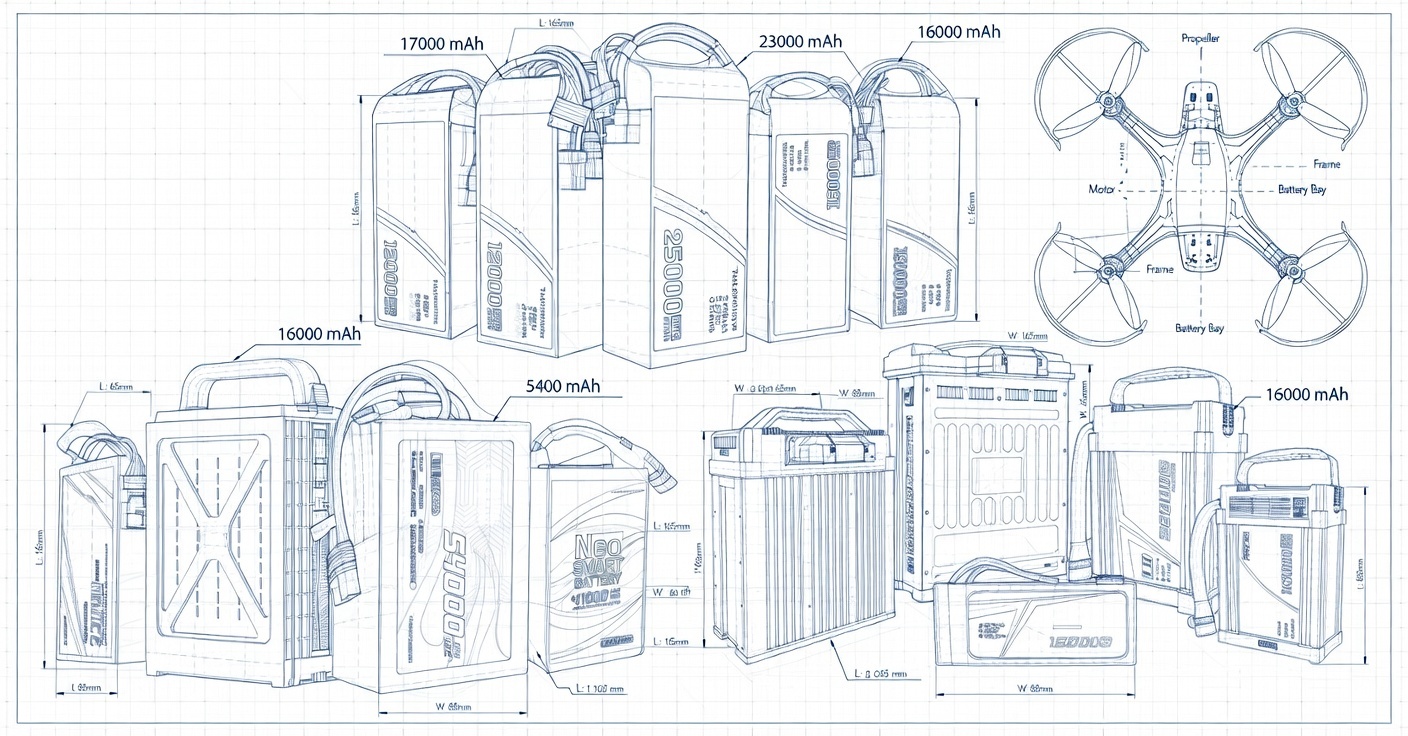
The global drone industry is experiencing unprecedented growth, with the commercial drone market projected to exceed $58 billion by 2030. However, this rapid expansion brings critical challenges—particularly regarding drone battery safety and the need for comprehensive after-sales support. For drone manufacturers, establishing robust post-purchase service systems isn’t just good business practice; it’s a safety imperative that protects both users and brand reputation.
Why Drone Battery Safety Matters More Than Ever
Lithium polymer (LiPo) batteries power approximately 95% of commercial drones worldwide. While these batteries offer exceptional energy density and performance, they also present unique safety risks that manufacturers must address through dedicated after-sales programs.
Key Safety Statistics You Need to Know
- 67% of drone-related incidents involve battery malfunctions
- 42% of battery failures occur within the first 12 months of operation
- Proper after-sales support can reduce battery-related incidents by up to 78%
- The global drone battery market is expected to reach $12.5 billion by 2028
These numbers underscore why drone battery safety must remain a top priority for manufacturers throughout the entire product lifecycle—not just during initial production.
Critical After-Sales Support Components for Drone Manufacturers
1. Comprehensive Warranty Programs
A well-structured warranty program serves as the foundation of effective after-sales support. Leading manufacturers now offer:
- Standard 12-24 month battery warranties covering manufacturing defects
- Extended warranty options for commercial operators
- Performance guarantees with specific cycle life commitments
- Replacement protocols with expedited shipping for critical users
According to industry benchmarks, companies offering comprehensive warranty programs see 35% higher customer retention rates compared to those with minimal coverage.
2. Technical Support Infrastructure
Building a responsive technical support system requires multiple channels and expertise levels:
Essential Support Channels:
- 24/7 hotline for emergency situations
- Email support with 24-hour response commitment
- Live chat for quick troubleshooting
- Video consultation for complex diagnostics
- On-site service for enterprise clients
Technical Team Requirements:
- Certified battery safety specialists
- Drone system integration experts
- Remote diagnostic capabilities
- Multilingual support for global markets
3. Battery Health Monitoring Systems
Modern after-sales support extends beyond reactive service to proactive monitoring. Advanced manufacturers now implement:
- Cloud-based battery analytics tracking performance metrics
- Predictive maintenance alerts before failures occur
- Usage pattern analysis to identify potential risks
- Automatic firmware updates for battery management systems
These systems can detect potential safety issues up to 30 days before critical failure, allowing preventive action that protects users and equipment.
4. Training and Education Programs
Knowledge transfer represents a crucial but often overlooked aspect of after-sales support:
Training Modules Should Include:
- Proper battery storage and handling procedures
- Charging best practices and safety protocols
- Recognition of battery degradation warning signs
- Emergency response procedures for thermal events
- Regulatory compliance requirements for transportation
Companies implementing comprehensive training programs report 56% fewer user-caused battery incidents.
Regulatory Compliance and Certification Support
The regulatory landscape for drone batteries continues evolving rapidly. The IATA 2025 Dangerous Goods Regulations (DGR) introduced significant changes affecting battery transportation:
2025-2026 Regulatory Updates
- State of Charge (SoC) Requirements: From January 2026, lithium battery cells and packs must be transported at no more than 30% capacity
- New UN Numbers: Additional classifications including UN3556 (lithium-ion powered vehicles) and UN3557 (lithium metal powered vehicles)
- Enhanced Packaging Standards: 3-meter stacking tests mandatory for all battery shipments
- Documentation Requirements: Updated air transport identification reports required
Manufacturers must provide after-sales teams with current regulatory knowledge to assist customers with compliance questions and shipping requirements.
Essential Certifications for After-Sales Teams
- UN38.3 Testing Certification for transportation safety
- IEC62133 Compliance for battery safety standards
- ISO 9001 Quality Management for service processes
- Regional Aviation Authority Certifications for market-specific requirements
Building Trust Through Transparent Communication
Response Time Benchmarks
| Issue Type | Industry Standard | Best-in-Class |
|---|---|---|
| Critical Safety | 2 hours | 30 minutes |
| Technical Support | 24 hours | 4 hours |
| Warranty Claims | 5 business days | 2 business days |
| Replacement Shipping | 7 business days | 48 hours |
Documentation Requirements
Effective after-sales support requires comprehensive documentation systems:
- Detailed incident reporting forms
- Battery performance tracking logs
- Warranty claim processing workflows
- Customer communication templates
- Regulatory compliance checklists
Common Questions About Drone Battery After-Sales Support
Q1: What should be included in a standard drone battery warranty?
A comprehensive warranty should cover manufacturing defects, premature capacity degradation (below 80% within warranty period), and safety-related failures. Exclusions typically include physical damage, improper charging, and unauthorized modifications. Leading manufacturers now offer 18-24 month coverage as standard for commercial batteries.
Q2: How quickly should manufacturers respond to battery safety concerns?
Critical safety issues require immediate response—ideally within 2 hours of notification. This rapid response capability demonstrates commitment to customer safety and can prevent serious incidents. Establish dedicated emergency contact channels specifically for safety-related concerns.
Q3: What training should after-sales staff receive?
Support teams need specialized training in lithium battery chemistry, thermal runaway recognition, emergency response protocols, and regulatory requirements. Certification programs from recognized safety organizations add credibility and ensure consistent knowledge levels across support teams.
Q4: How can manufacturers track battery performance after sale?
Implement IoT-enabled battery management systems that transmit performance data to cloud platforms. This enables proactive monitoring, early warning detection, and data-driven product improvements. Privacy-compliant data collection requires clear customer consent and transparent data usage policies.
Q5: What’s the best approach for battery replacement programs?
Establish clear replacement criteria based on cycle count, capacity retention, and safety assessments. Offer tiered replacement options including standard replacement, expedited service for commercial users, and recycling programs for end-of-life batteries. Consider subscription models for high-volume commercial operators.
Implementing Your After-Sales Support Strategy
Phase 1: Foundation (Months 1-3)
- Establish warranty policies and procedures
- Train initial support team on battery safety fundamentals
- Set up basic communication channels
- Develop documentation templates
Phase 2: Enhancement (Months 4-6)
- Implement battery monitoring systems
- Expand technical training programs
- Add multilingual support capabilities
- Develop regulatory compliance resources
Phase 3: Optimization (Months 7-12)
- Deploy predictive maintenance features
- Establish regional service centers
- Integrate customer feedback systems
- Achieve industry certifications
The Business Case for Investment
Investing in comprehensive after-sales support delivers measurable returns:
- Customer Lifetime Value increases 40-60% with strong support programs
- Brand reputation scores improve 35% when safety concerns are addressed promptly
- Warranty costs decrease 25% through proactive monitoring and education
- Market differentiation becomes sustainable competitive advantage
Take Action Today
The drone industry’s growth trajectory makes battery safety and after-sales support more critical than ever. Manufacturers who prioritize comprehensive post-purchase support will build stronger customer relationships, reduce liability risks, and establish market leadership.
Ready to elevate your drone battery after-sales support? Our team specializes in helping manufacturers develop world-class support systems that protect customers and strengthen brands. We understand the unique challenges of lithium battery safety and regulatory compliance in the drone industry.
Contact us today to discuss how we can support your after-sales strategy: https://cnsbattery.com/drone-battery-home/drone-battery-contact
Don’t wait for a safety incident to reveal gaps in your support system. Proactive investment in after-sales excellence protects your customers, your reputation, and your bottom line. The time to act is now—before your competitors establish the standards you’ll be forced to follow.
This guide reflects current industry best practices and regulatory requirements as of 2026. Regulations continue evolving, so maintain ongoing compliance monitoring and update your after-sales programs accordingly.