Introduction
When seconds count and lives hang in the balance, firefighting drones have become indispensable tools for modern emergency response units. However, even the most advanced unmanned aerial vehicle (UAV) is rendered useless without a reliable power source. Selecting the right drone battery is not merely a procurement decision—it is a critical operational requirement that demands careful attention to technical compatibility. This guide explores the essential factors firefighting units must consider when evaluating drone battery systems, including voltage matching, discharge rates, thermal management, and safety compliance. We will also provide actionable management tips to maximize battery lifecycle and operational readiness. By understanding these technical nuances, fire departments can ensure their aerial assets remain mission-ready when called upon.
Understanding Firefighting Drone Power Demands
Firefighting operations place unique stress on drone battery systems that differ significantly from commercial photography or recreational use. These UAVs often carry heavy payloads such as thermal imaging cameras, water retardant dispensers, or communication relay equipment. The power draw during hover, ascent, and payload deployment can spike dramatically, requiring batteries with high continuous discharge capabilities.
In 2026, leading firefighting drone manufacturers design their aircraft around specific battery chemistries, typically high-drain lithium polymer (LiPo) or lithium-ion (Li-ion) packs. A mismatch between the drone’s power management system and the battery’s output characteristics can lead to premature voltage sag, unexpected shutdowns, or even thermal runaway. Fire departments must verify that the battery’s C-rating (discharge rate) aligns with the drone’s maximum power consumption under full load. For instance, a drone requiring 60 amps during emergency ascent should not be paired with a battery rated for only 40 amps continuous discharge.
Key Technical Compatibility Factors
Voltage and Cell Configuration
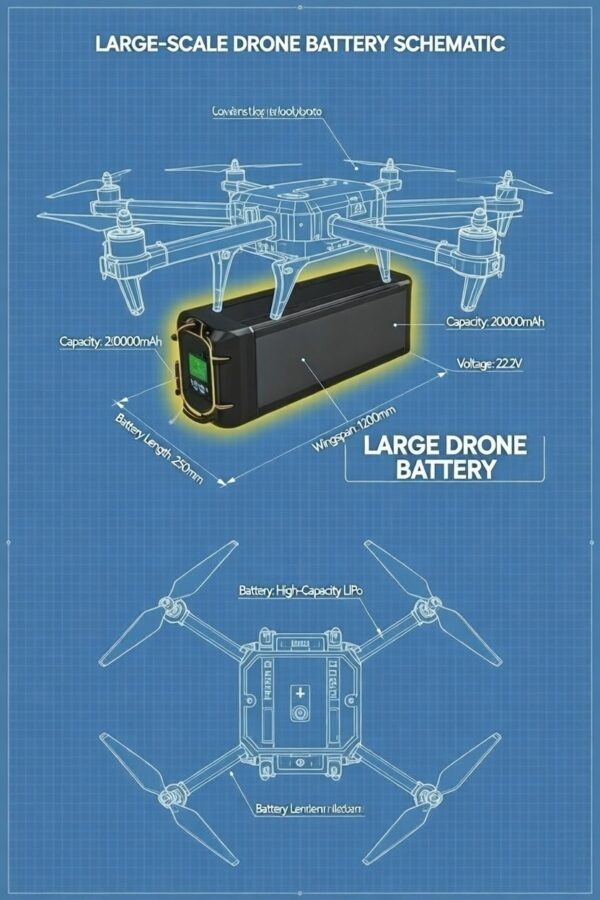
Voltage compatibility is the foundation of safe battery integration. Most firefighting drones operate on 6S (22.2V nominal) or 12S (44.4V nominal) configurations. Using a battery with incorrect cell count can damage the electronic speed controllers (ESCs) or trigger fault codes that ground the aircraft. Always cross-reference the manufacturer’s specifications with the battery’s nominal and fully charged voltage ratings.
Connector Types and Physical Dimensions
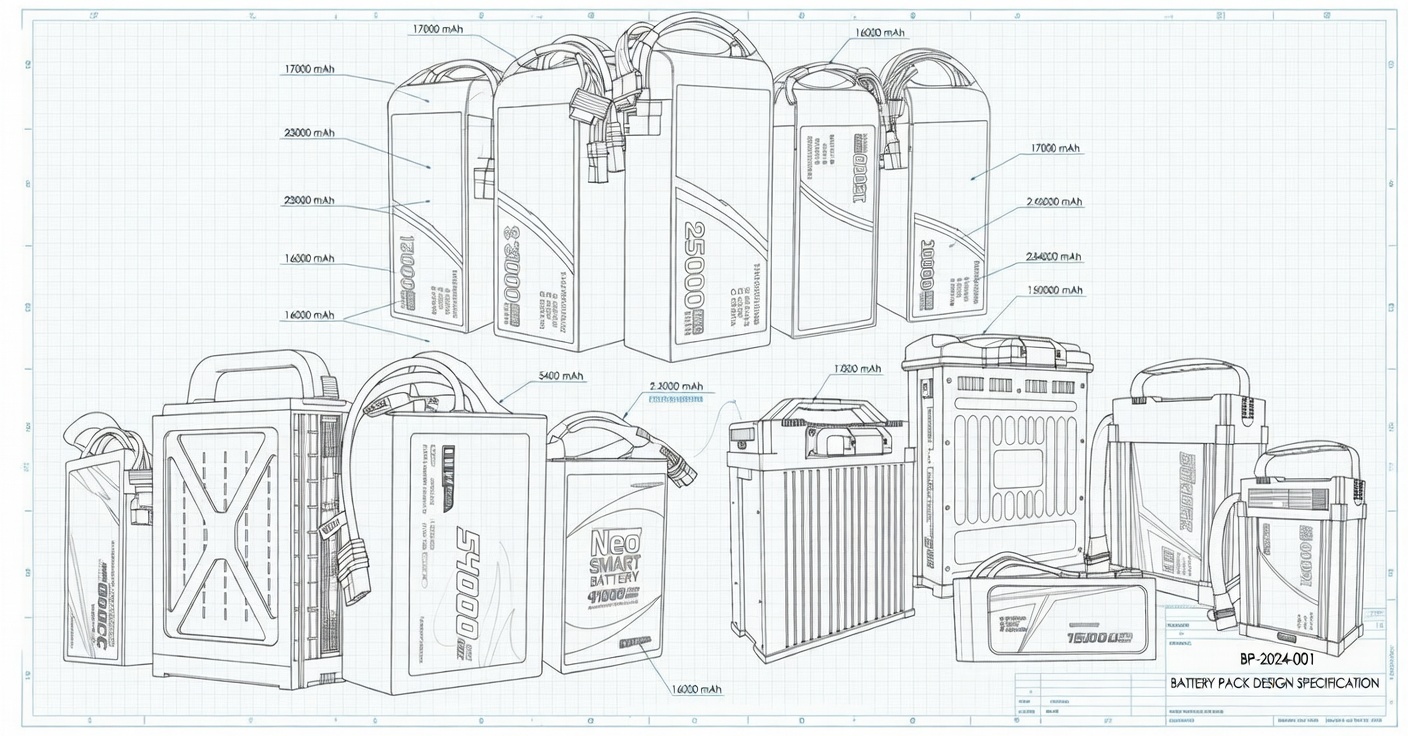
Beyond electrical specifications, physical compatibility matters. Proprietary connector systems prevent accidental mismatches but can limit third-party battery options. Ensure that the battery’s discharge connector (XT90, AS150, or custom) matches the drone’s input port. Additionally, battery dimensions must fit within the designated compartment without obstructing cooling vents or payload mounting points. Even a few millimeters of excess width can prevent proper latching, creating vibration risks during flight.
BMS Communication Protocols
Modern smart batteries integrate Battery Management Systems (BMS) that communicate with the drone’s flight controller. This handshake protocol verifies authenticity, monitors cell balance, and reports remaining capacity. Firefighting units should prioritize batteries with open or documented communication protocols to avoid vendor lock-in. Some manufacturers encrypt BMS data, preventing third-party batteries from functioning even if electrical specifications match. Verify compatibility through bench testing before deploying batteries in active service.
Safety and Thermal Management
Firefighting drones often operate in extreme environments, from intense heat near wildfires to cold conditions during winter rescue missions. Battery performance degrades outside optimal temperature ranges, typically 15°C to 35°C. High-quality firefighting drone batteries incorporate thermal insulation, active cooling, or heating elements to maintain safe operating temperatures.
2026 Transportation and Storage Regulations
Recent updates to lithium battery transportation regulations require that batteries shipped by air must not exceed 30% state of charge (SoC). Fire departments maintaining large battery inventories must implement storage protocols that comply with DGR 67 and IMDG CODE standards. This includes using fire-resistant storage cabinets, maintaining climate-controlled environments, and labeling batteries according to UN3480 or UN3481 classifications.
Fire Resistance and Enclosure Standards
Given the operational context, batteries used in firefighting drones should feature enhanced fire-resistant enclosures. Look for certifications indicating compliance with IEC 62133 or UL 1642 safety standards. Some manufacturers now offer batteries with self-extinguishing electrolytes or ceramic separators that reduce thermal runaway risks. These features are particularly valuable when drones operate near active fire zones where ambient temperatures can exceed normal operating limits.
Maintenance and Lifecycle Management
Proper maintenance extends battery lifespan and ensures consistent performance. Firefighting units should implement a tracking system that logs charge cycles, storage conditions, and performance metrics for each battery pack. Lithium-based batteries typically retain 80% capacity after 300-500 full charge cycles, but aggressive discharge patterns common in emergency response can accelerate degradation.
Charging Protocols
Use manufacturer-approved chargers with balance charging capabilities. Fast charging generates heat, which can damage cells if not properly managed. Implement a charging schedule that allows batteries to cool between cycles, and never leave batteries unattended during charging. For fleet operations, consider investing in multi-bay charging stations with individual cell monitoring and automatic shutoff features.
Storage Conditions
When not in use, store batteries at 40-60% SoC in a cool, dry environment. Long-term storage at full charge accelerates capacity loss, while deep discharge can render batteries unrecoverable. Rotate inventory regularly to prevent any single battery from sitting idle for extended periods.
Management Tips for Firefighting Units
- Conduct Compatibility Testing: Before purchasing batteries in bulk, test samples with your specific drone models under simulated load conditions.
- Implement Battery Tracking: Use QR codes or RFID tags to monitor each battery’s cycle count, age, and performance history.
- Train Personnel: Ensure all operators understand proper charging, storage, and transportation protocols to prevent safety incidents.
- Maintain Spare Inventory: Keep a 20-30% buffer of charged batteries to account for unexpected mission extensions or battery failures.
- Schedule Regular Inspections: Check for physical damage, swelling, or connector wear during weekly fleet inspections.
- Document Compliance: Maintain records of transportation certifications and safety inspections for regulatory audits.
- Plan for Disposal: Establish partnerships with certified recycling facilities for end-of-life battery disposal in accordance with local environmental regulations.
Conclusion
Technical compatibility between firefighting drones and their battery systems is not optional—it is a mission-critical requirement. By prioritizing voltage matching, discharge capabilities, thermal management, and safety compliance, fire departments can maximize the effectiveness of their aerial assets. The investment in high-quality, compatible batteries pays dividends in operational reliability, safety, and long-term cost efficiency. As drone technology continues to evolve, staying informed about battery specifications and regulatory requirements will ensure your unit remains prepared for any emergency.
Take Action Today
Don’t leave your firefighting drone operations to chance. Partner with a battery supplier who understands the unique demands of emergency response units and can provide technically compatible, safety-certified power solutions. For expert guidance on selecting the right drone battery systems for your firefighting fleet, contact our specialized team today.
Visit https://cnsbattery.com/drone-battery-home/drone-battery-contact to discuss your requirements and request a customized compatibility assessment. Our engineers are ready to help you build a reliable power infrastructure that keeps your drones airborne when it matters most.